Verdict in Boston
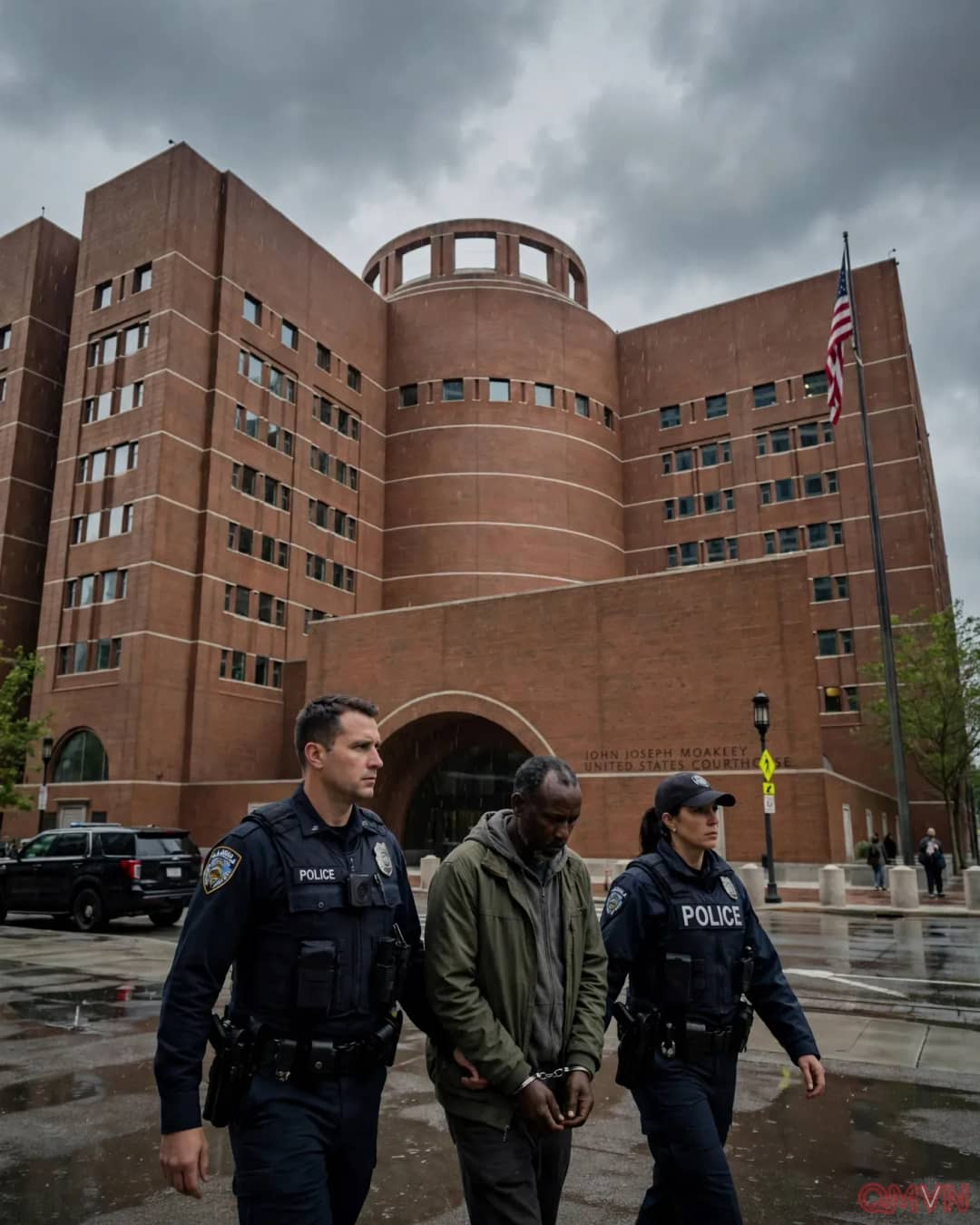
After a trial that opened on October 13, jurors at the federal court in Boston found Nshimiye guilty on Tuesday of perjury and obstruction of justice. The charges relate not directly to the genocide itself but to statements he made under oath in a US courtroom, where, prosecutors said, he denied facts about his past to protect himself and his former classmate.
A spokesperson for US Attorney Leah Foley said sentencing is scheduled for January 26. Nshimiye's lawyer did not respond to requests for comment after the verdict. Key facts of the case:
- Defendant: Eric Nshimiye, 54, a Rwandan-born US citizen living in Uniontown, Ohio
- Charges: perjury and obstruction of justice, linked to testimony in a 2019 trial
- Verdict: guilty, returned by a federal jury in Boston
- Sentencing: scheduled for January 26
A refugee, a citizen, an engineer
Nshimiye came to the United States in 1995, the year after the genocide, admitted as a refugee. He became a US citizen in 2003 and built a career as an engineer, working for Goodyear Tire & Rubber Co when he was arrested in 2024.
Prosecutors argued that this life was built on a decades-long scheme of falsifying and concealing information to hide his past. Under US law, lying in immigration proceedings or in court can lead to criminal charges and, in some cases, the loss of citizenship, tools that authorities have repeatedly used against people suspected of involvement in mass atrocities abroad.