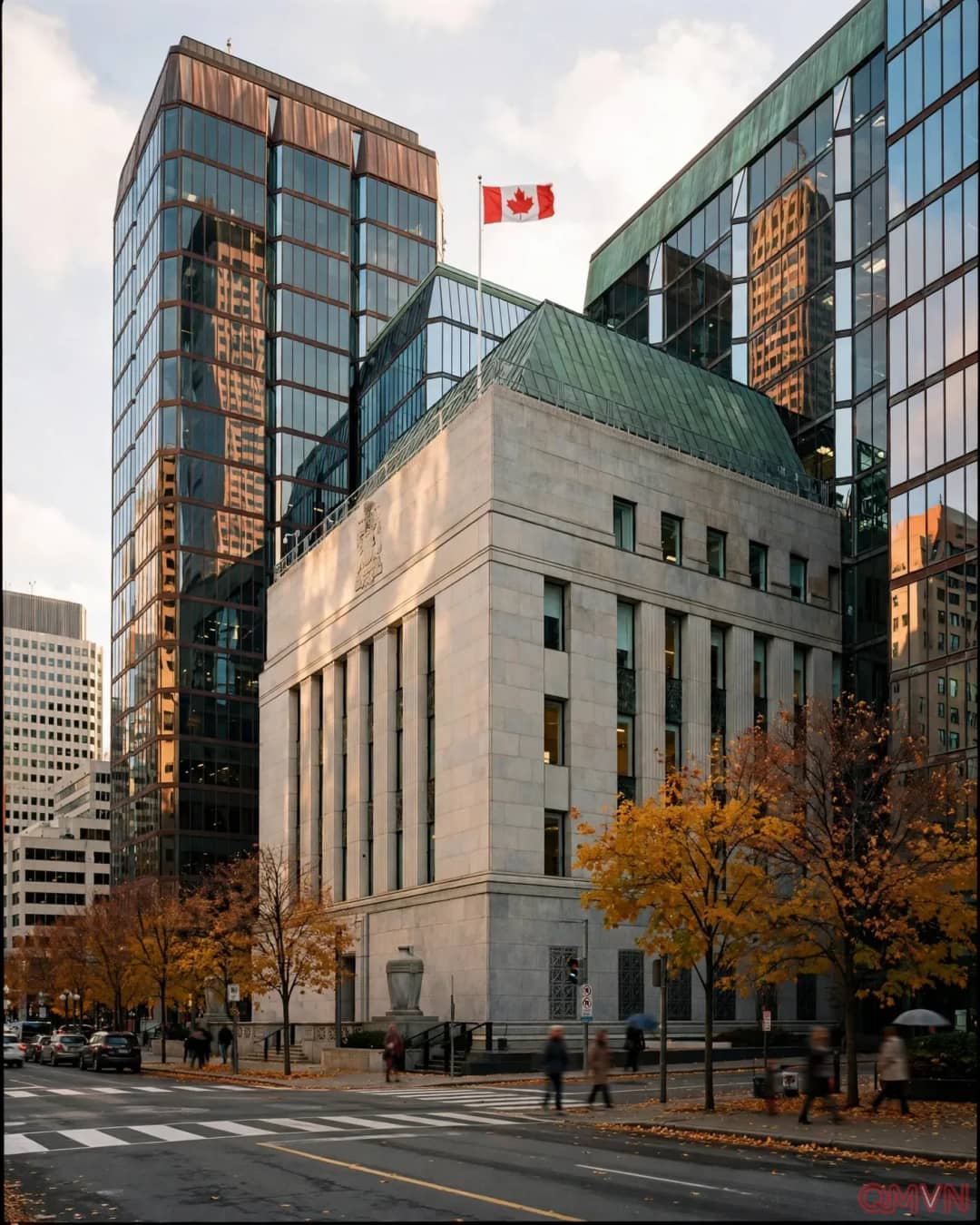
After nearly a year on hold, the Bank of Canada (BoC) is widely expected to lift its benchmark interest rate by 25 basis points to 2.5% on Wednesday. Most economists see the move as insurance against the risk that energy inflation spreads to other parts of the economy.
A hike would be the BoC's first since mid-2023 and its first policy change in almost a year.
Energy prices are the main culprit
Raising rates would likely push up bank lending rates and mortgage costs and could slow economic growth. But many economists say it would help the BoC head off cost pressures that are likely to spread from higher gasoline and diesel prices in the coming months.
Canada's annual inflation rose to 3.1% in September, driven almost entirely by energy. Core measures, which strip out volatile components, eased below 2%, the midpoint of the bank's 1% to 3% target range.
Economists and markets lean toward a hike
In a Reuters poll conducted from Oct. 21 to 23, 19 of 34 economists said the BoC would raise its overnight rate by a quarter percentage point to 2.50%. A majority also forecast one more increase before March.