MAIN STORY
From crisis preparedness to a growth strategy
For Tokyo, economic security is no longer only about obtaining supplies in an emergency. It also means producing technologies and infrastructure that make Japanese companies indispensable partners worldwide. The government has identified 17 sectors and 62 priority products or technologies for public-private investment roadmaps. Their scope extends from advanced materials, telecommunications and healthcare to maritime systems, defense and disaster resilience.
The logic works in two directions. Japan wants to reduce exposure to geopolitical competition, imported-resource shortages and natural disasters. At the same time, investments made in the name of resilience should produce better-paying jobs, stronger productivity and exportable expertise. If every vulnerable industry automatically becomes a subsidy candidate, public resources could be spread so thinly that no truly competitive cluster emerges.
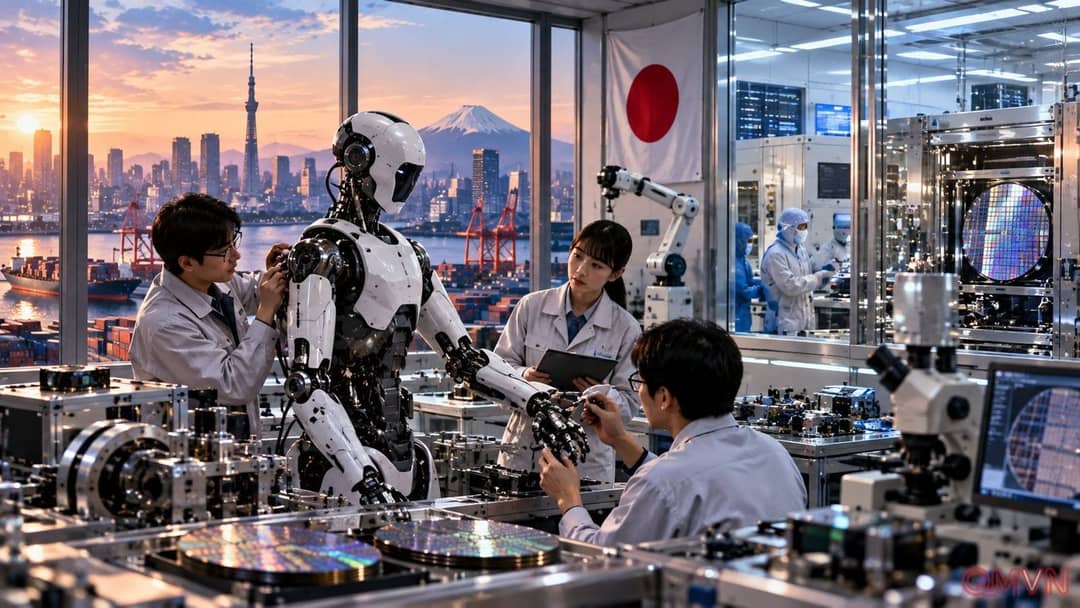
Semiconductors and robotics meet artificial intelligence
AI and semiconductors account for a projected ¥101.6 trillion. The published planning figures include ¥68 trillion for semiconductor-related investment, ¥23.1 trillion for industry-specific AI and ¥10.5 trillion for physical AI.