A shift in words, a line drawn on money
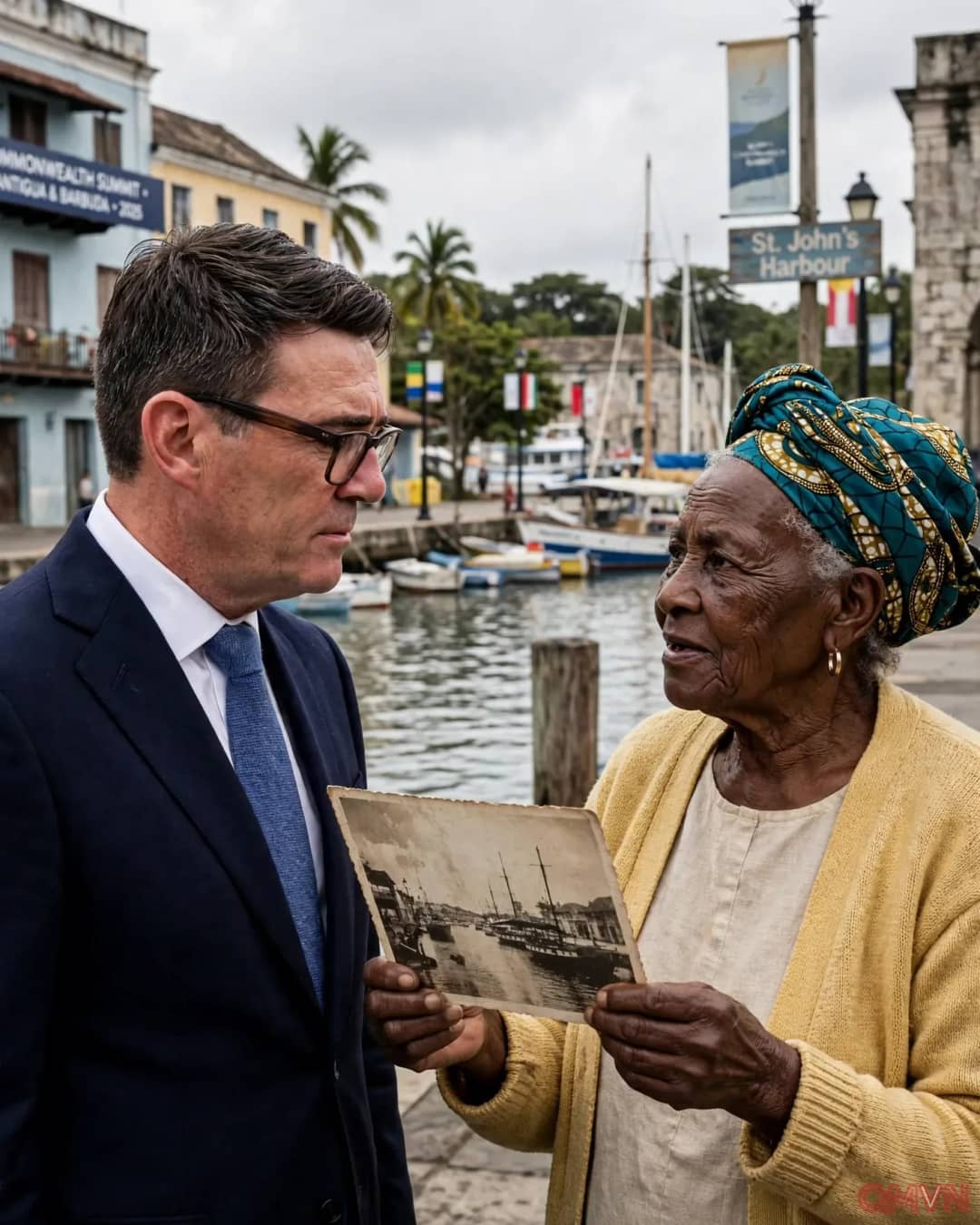
For decades, Downing Street’s response to calls for a slavery apology followed a familiar script: condemnation of a historic atrocity, but no apology and no compensation. Prime Minister Andy Burnham’s article in The Guardian marks a notable departure. He wrote that Britain is offering a “structured dialogue” with those affected by the transatlantic slave trade, in which at least 12.5 million Africans were abducted and sold into slavery.
Listening to calls for a formal apology on behalf of the British state will form an important part of this process, and I am open to them.
But the door opens only so far. Burnham firmly rejected financial reparations, arguing that people in Britain today cannot be held liable for historical wrongs, however heinous, committed in another era, under other laws and without their personal involvement. It is a careful distinction between a nation’s moral responsibility and the legal liability of its individual citizens – a line many European governments are also trying to hold.