MAIN REPORT
A diplomatic opening meets a hard public message
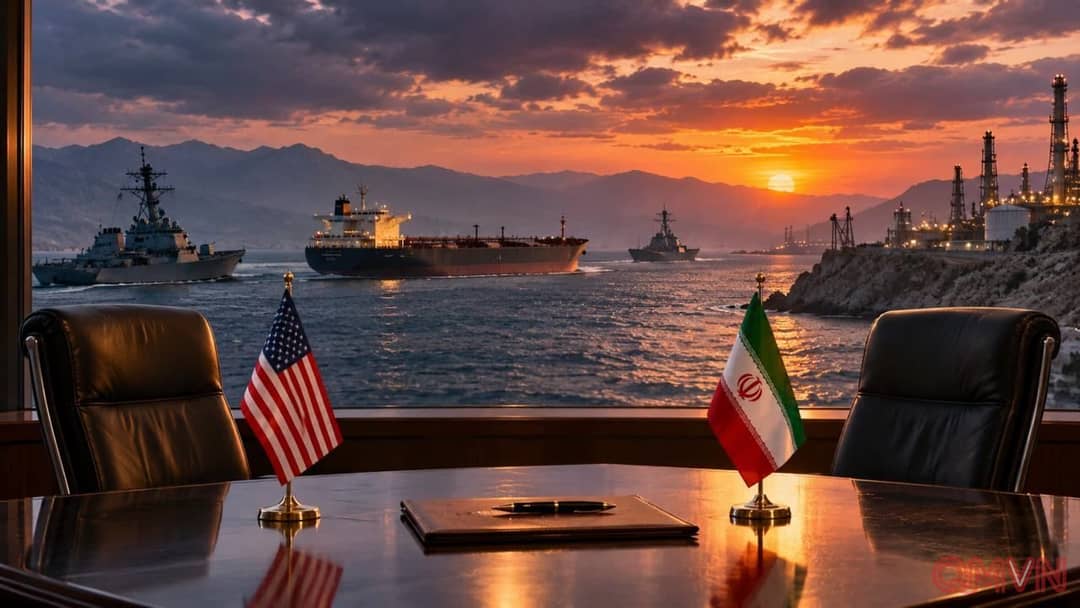
Writing on Truth Social, Trump said an agreement with Tehran was unnecessary, asserting that the United States held major leverage over Iranian funds and the strategic waterway. These were presidential claims about Washington's bargaining position, not proof that an internationally accepted arrangement gives the U.S. comprehensive control of Hormuz. In the same message, he directed Vance toward alleged crime and corruption in Democratic-led American jurisdictions.
The announcement contrasted with the signals from earlier in the week. After meeting Qatari Prime Minister Mohammed bin Abdulrahman Al Thani on November 9, Trump said major military operations against Iran were effectively over and suggested new large-scale strikes were unnecessary for now. Reuters and The Washington Post reported that Vance had explored fresh channels for talks. The public reversal does not, by itself, demonstrate that every back-channel conversation has been permanently terminated.
The Strait of Hormuz carries a global price
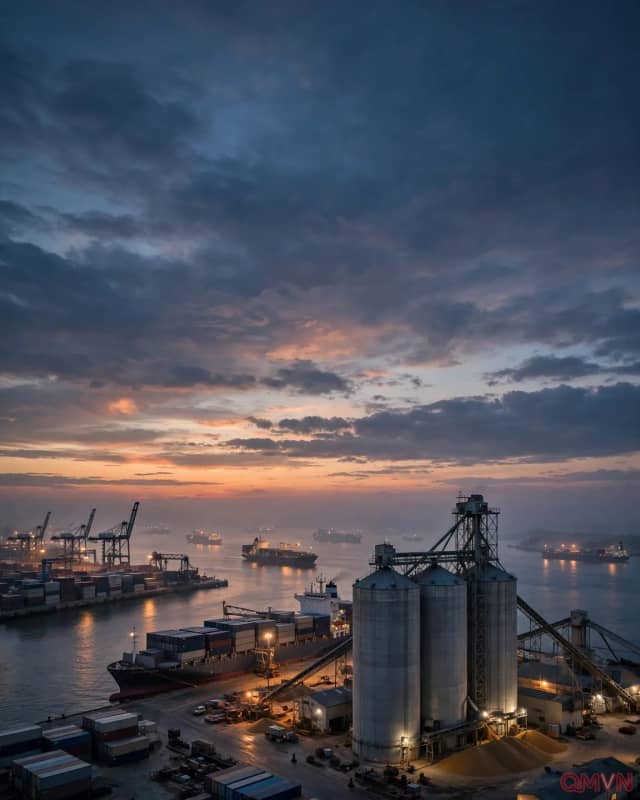
Hormuz links the Persian Gulf to international sea lanes and remains essential to energy trade. Attacks on vessels, maritime restrictions and fears of escalation have increased insurance costs, complicated shipping schedules and exposed civilian crews to danger.