MAIN CONTENT
From border solidarity to economic anxiety
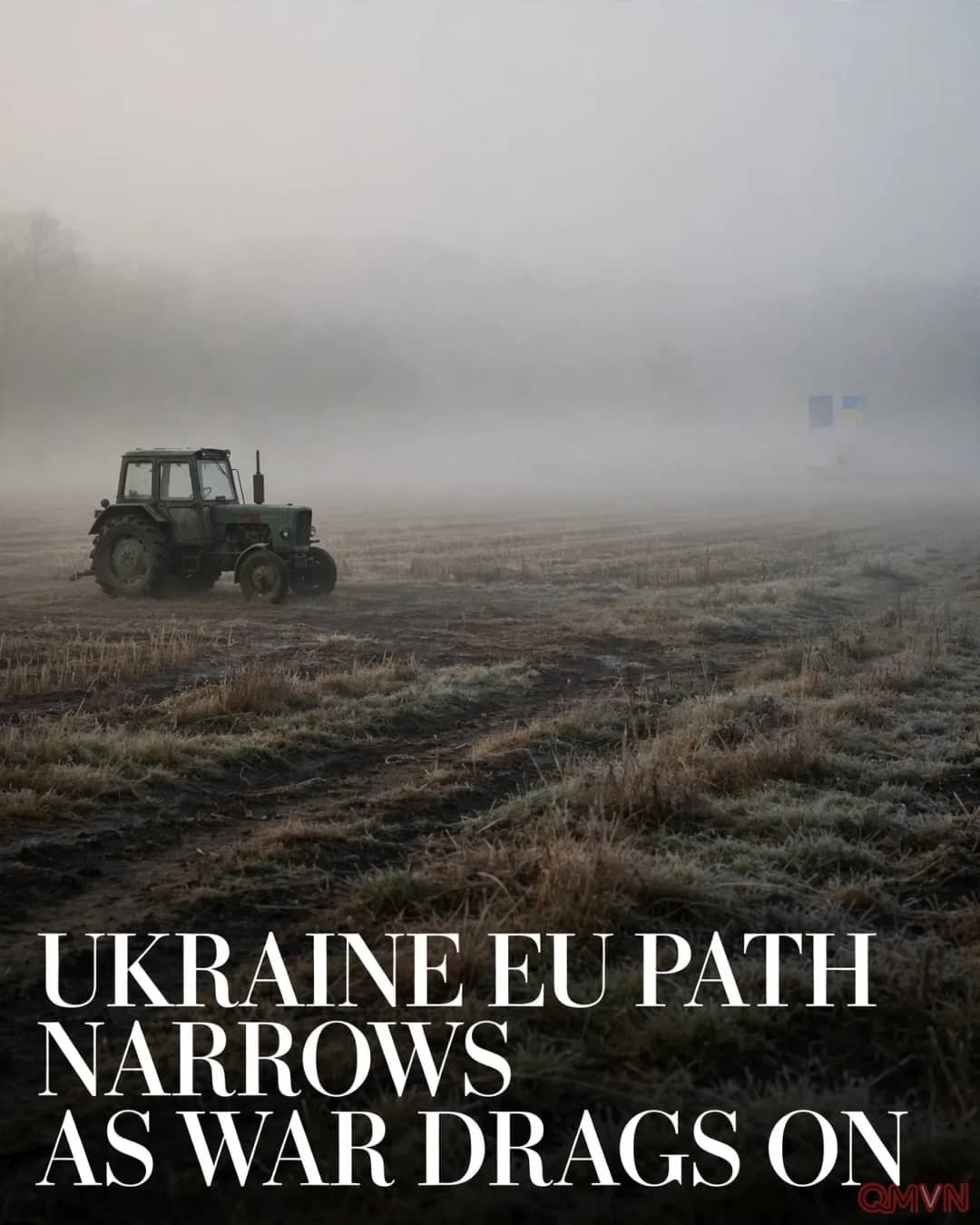
In Oszczow-Kolonia, close to Poland’s Ukrainian border, farmer Miroslaw Halej offers a window into this change in mood. He helped people escaping the invasion in 2022. Now he fears that opening the EU market further to agricultural production from Ukraine, where costs can be lower, would depress prices received by Polish growers. His experience shows how compassion for refugees and anxiety about competition can coexist rather than cancel each other out.
Agriculture is only one part of the negotiation, but it carries unusual political force. The EU’s common agricultural policy distributes support among farmers, and admitting a major agricultural producer would prompt hard questions about future subsidies, market access and transitional safeguards. Polish local officials quoted by Reuters see a strategic benefit in Ukraine joining, provided economic protections are credible. The dispute is therefore about the terms and timing of integration, not necessarily a simple choice between welcome and rejection.
A negotiation moving forward without a finish line
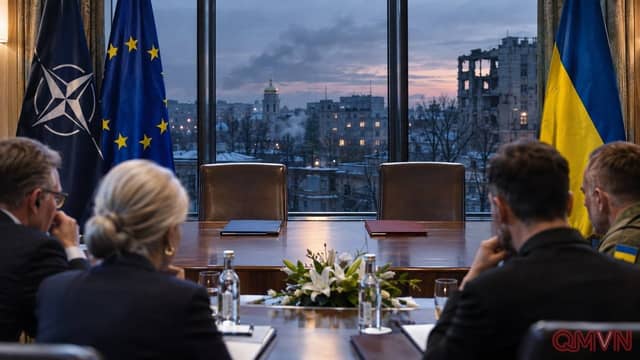
Ukraine applied for EU membership in February 2022 and received candidate status that June. Formal accession talks began in June 2024. In 2026, the EU opened four negotiating clusters: fundamentals, external relations, internal market, and competitiveness and inclusive growth.