A warning to allies
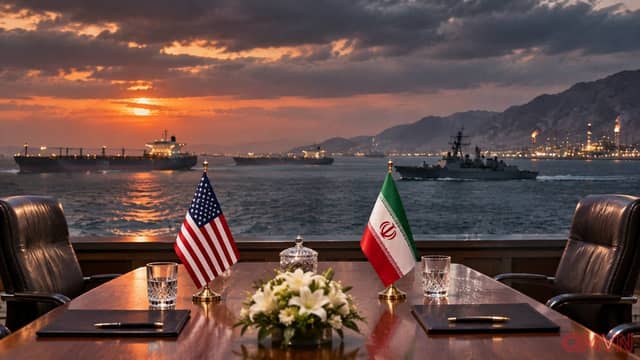
According to AP, two diplomats briefed on the matter said U.S. diplomats and defense officials had conveyed the warnings to several countries in the region. Washington said a new round of military action could last several days, but regional officials fear Iran and its proxy groups will respond, leading to a much longer fight. The Wall Street Journal had earlier reported that Gulf nations were briefed on the risk of escalation.
Allies were advised to take precautions against possible Iranian strikes on energy facilities and crucial infrastructure. The White House and U.S. officials declined to comment. The U.S. has not struck Iran since early September, but the situation in the region has grown more complicated as Iran-backed Houthi rebels attack Saudi Arabia's oil infrastructure and airports, and a Saudi-led coalition retaliates in Yemen.
Military forces converge on the Gulf
It is unclear how soon after Election Day the U.S. military would be ready to resume strikes, but recent moves point to a significant presence:
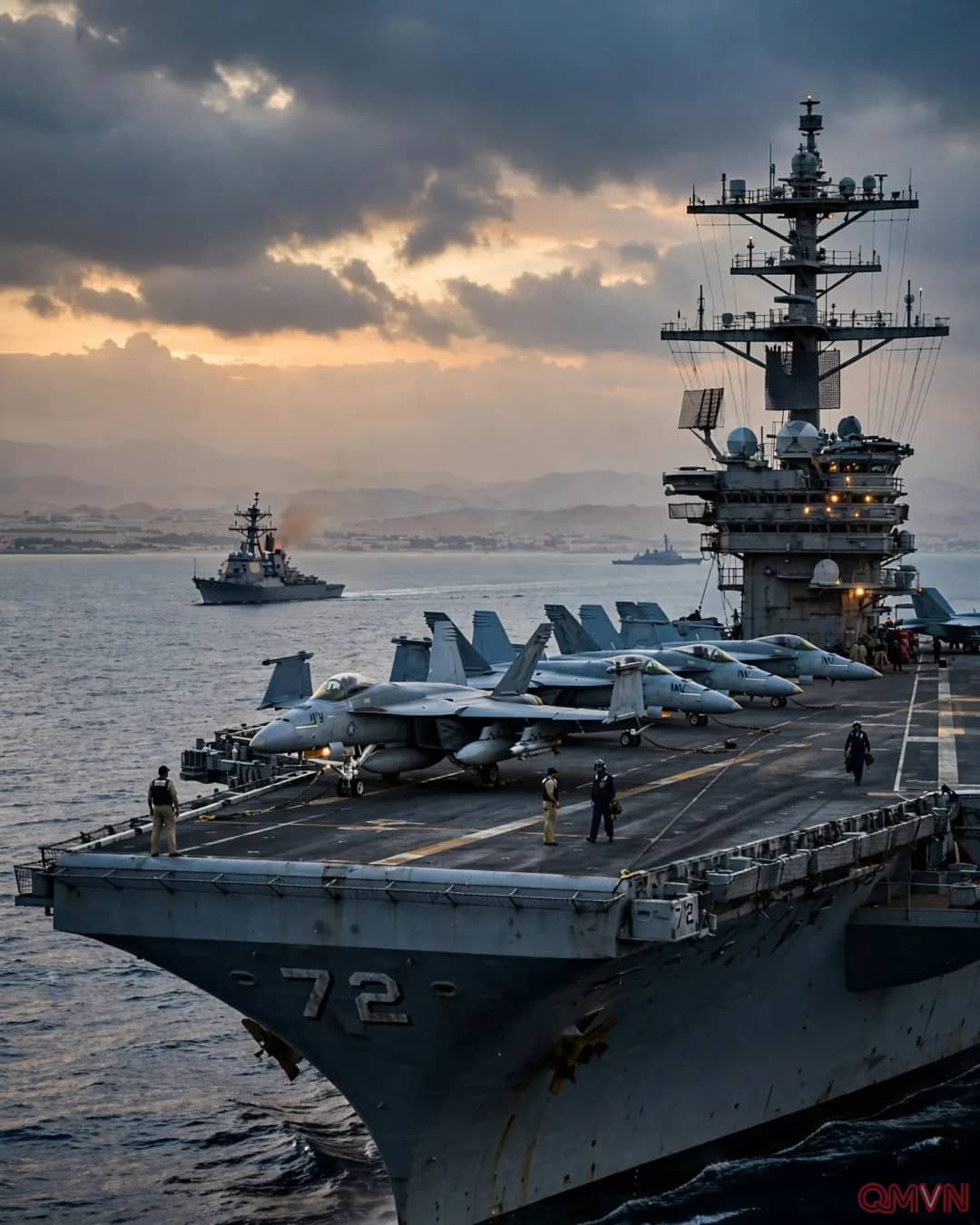
- In late September, the Pentagon sent the aircraft carrier USS Theodore Roosevelt and amphibious ships carrying Marines, about 9,000 troops in all, from San Diego to the Persian Gulf.