CONTENT
Aggressive front-loaded budget adjustments and the roadmap toward euro accession
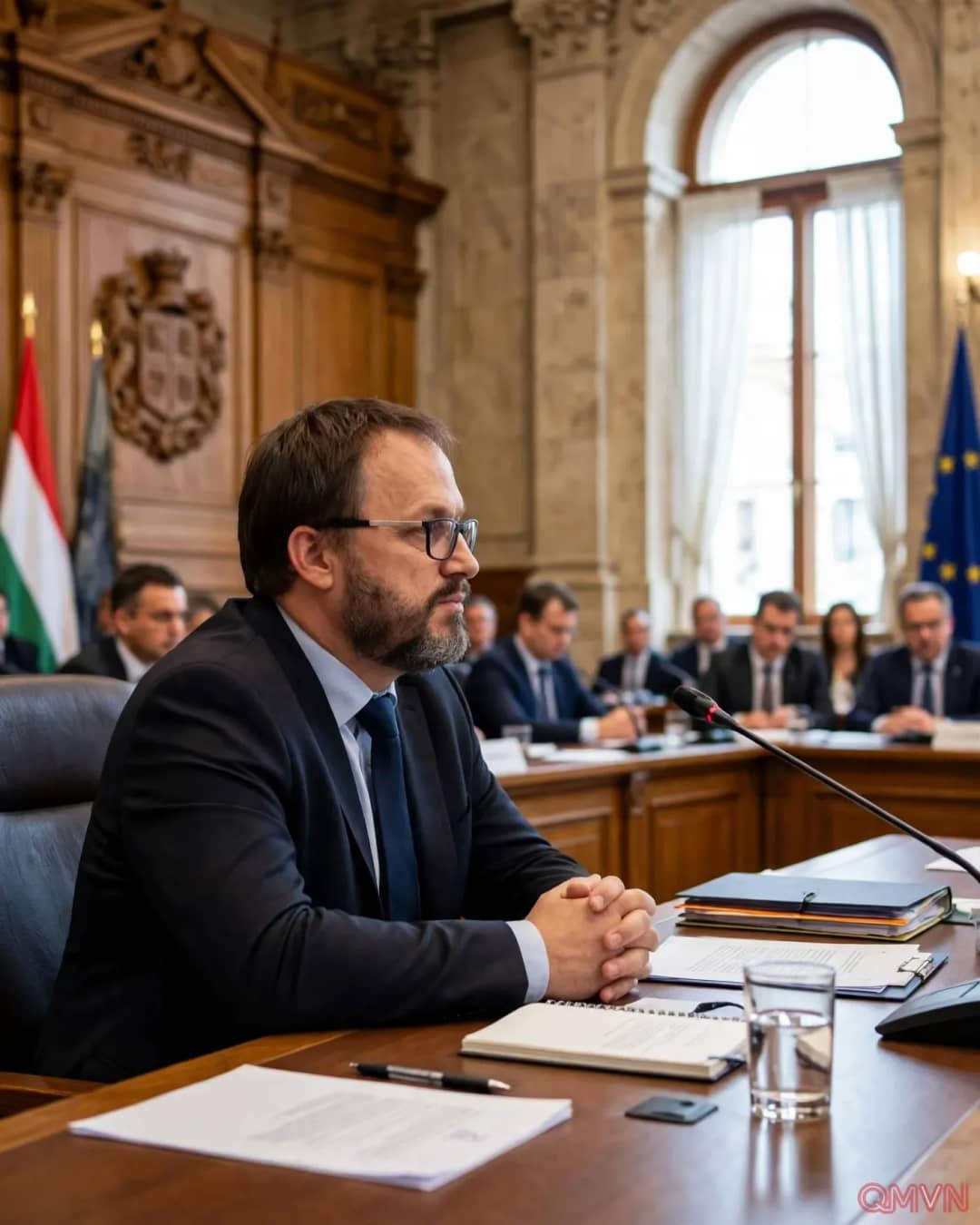
Hungary’s newly inaugurated government under Prime Minister Peter Magyar has presented its first national budget, establishing a critical test of its pledge to satisfy the Maastricht fiscal criteria for euro entry by 2030. The proposed fiscal framework targets an aggressive reduction in the general government deficit to 4.9 percent of gross domestic product in 2027, representing a significant fiscal retrenchment from the 7.5 percent shortfall projected for the current year. Sovereign debt investors welcomed the larger-than-expected adjustment as a vital step toward macroeconomic stabilization.
In an in-depth interview with Reuters, Finance Minister Andras Karman emphasized that Budapest is not merely pursuing short-term accounting reductions, but implementing structural fiscal consolidations that bring the country steadily beneath the statutory 3 percent GDP ceiling by 2030. Karman noted that reaching this benchmark would facilitate formal euro adoption in 2032, aligning the nation’s trajectory with institutional market consensus.
The sooner the euro can be introduced, the better for Hungary. I think this will mainly be determined by the reduction in the deficit.