MAIN CONTENT
A four-second recording becomes a new legal instrument
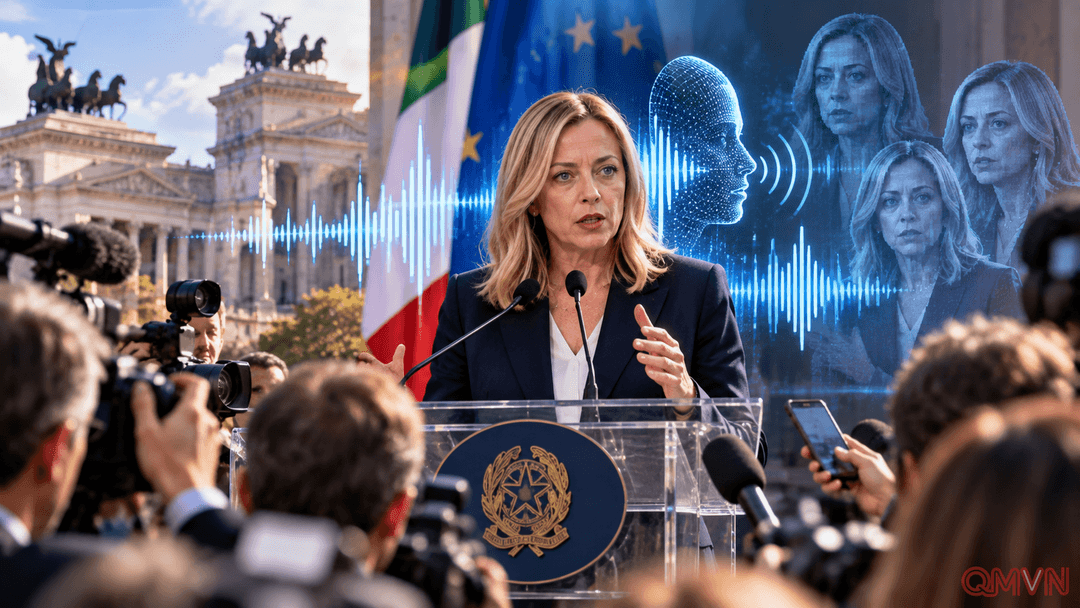
Giorgia Meloni’s application was filed with the European Union Intellectual Property Office on October 5, 2026 and remains under examination. It uses a short clip in which she repeats “Io sono Giorgia”, the phrase made famous by a 2019 political rally and later adopted as the title of her 2021 autobiography. Choosing that phrase suggests the filing is intended not merely to protect a vocal timbre, but to connect the sound of her voice with a public sign that already carries political and commercial recognition.
A voice trademark would not be an absolute shield against deepfakes. Trademark law is principally concerned with the use of signs in commerce, consumer confusion and certain forms of unauthorized exploitation. Satire, artistic work, research or non-commercial speech may raise different legal questions. If approved, however, the registration could give Meloni an additional basis for challenging some uses of cloned speech alongside personality rights, reputation law, data protection and anti-fraud rules.
Deepfakes are moving from faces to voices
Deepfakes are no longer limited to face-swapped videos. Modern voice models can reproduce cadence, breathing, accent and vocal texture from relatively small samples.