MAIN CONTENT
Abenomics and its mission against deflation
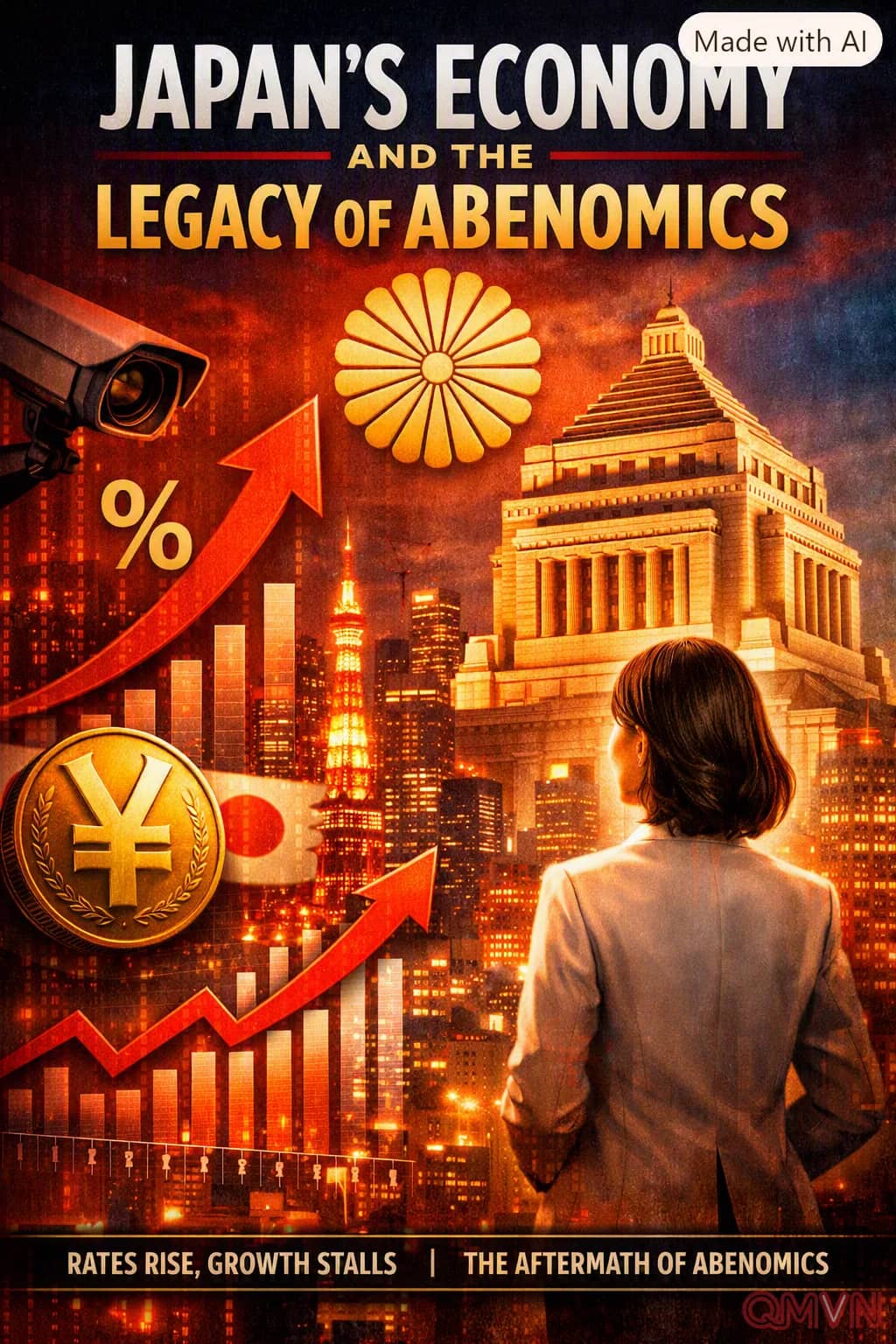
Abenomics began in 2012 with three familiar arrows: aggressive monetary easing, fiscal stimulus and structural reform. Japan then faced years of stagnant prices, weak growth and a strong yen that hurt exporters. Extremely low rates and large asset purchases were meant to change deflationary expectations.
For a long period, the policy kept borrowing costs low for the state, companies and households. It also fostered dependence on cheap money, weakened incentives for business adjustment and made the interest-rate gap with the United States a source of currency pressure. The challenge now is no longer how to create inflation, but how to prevent it from becoming entrenched.
The situation is completely different now. I changed my mind to recommend monetary restraint.
Inflation, a weak yen and pressure to act
A Reuters poll forecast a BOJ increase to 1.25% at its September 17-18 meeting, followed by 1.75% in the second quarter of 2027. A move to 1.25% would take the policy rate to its highest level in 31 years, signaling that easy policy is no longer the default condition.