Double-tap terror
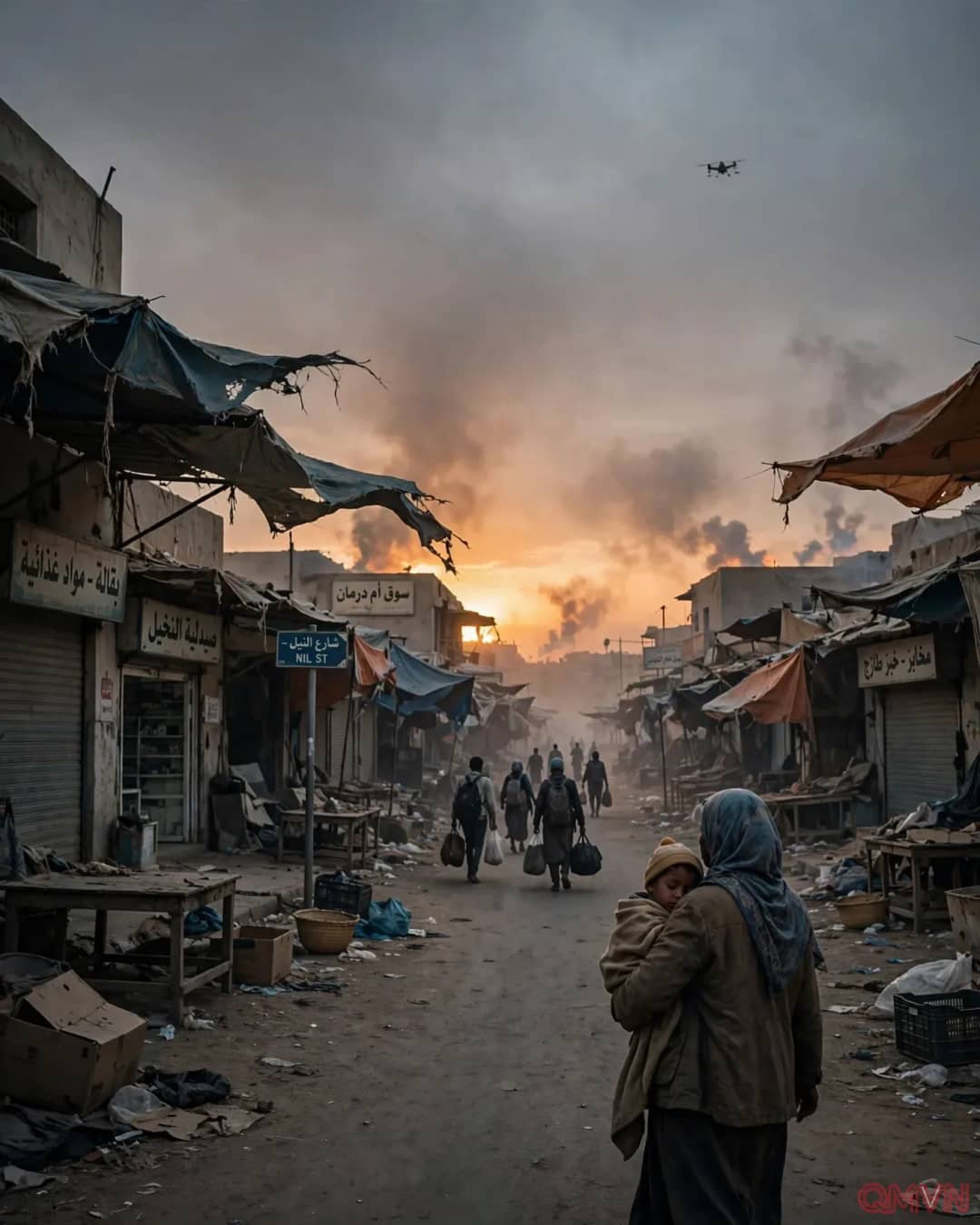
The first drone hit a busy transport hub near the market in Al-Dibab as hundreds of people gathered to board trucks home. Ten minutes later, a second struck the same spot, a tactic designed to kill emergency responders, volunteers and bystanders rushing to help. In Nyala, a father told Agence France-Presse he buried his 19-year-old son alongside more than 70 other bodies in a single grave.
They are bringing the war to places that were once safe.
Such scenes are no longer exceptional. An investigator at the Centre for Information Resilience (CIR), which first documented weaponised drones in the war in July 2023, says strikes are now reported almost every day. Residents of cities such as El Obeid describe living in constant fear of the next attack, trying to carry on with daily life under an empty sky that can turn deadly without warning.
How the war took to the skies
When fighting erupted in April 2023, the army relied on fighter jets, helicopters, tanks and artillery, while the RSF used pick-up trucks mounted with machine guns and anti-aircraft weapons. Over 42 months, that balance has shifted.