Progress, but not yet at the finish line
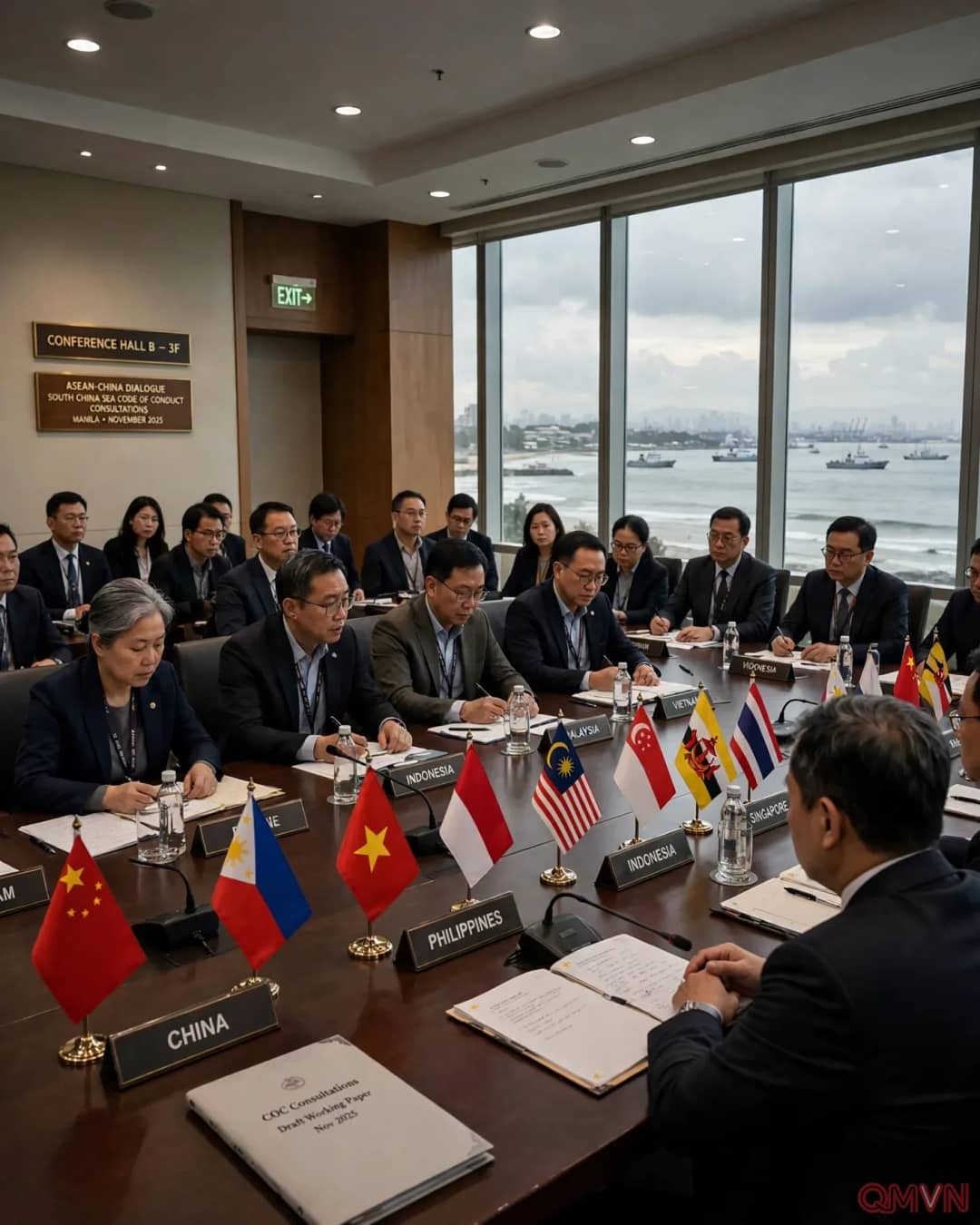
The code of conduct mainly calls for self-restraint and discourages aggressive acts that could spark clashes on a key global trade route. After years of closed-door negotiations, at times delayed by tense confrontations at sea, China and ASEAN agreed in 2023 to speed up the talks and conclude them this year. Three senior diplomats with direct knowledge of the talks said about 80% of the text has been provisionally agreed.
The final sticking points
According to the diplomats, the remaining obstacles and next steps are:
- The geographic scope the agreement will cover.
- The definition of sensitive terms.
- Whether the accord should be legally binding.
- This year, the Philippines as ASEAN chair held meetings at least monthly, while China and Malaysia, which coordinates ASEAN-China relations, co-led at least 10 major rounds; talks will continue next year under Singapore’s chairmanship.
Tensions at sea persist
China and four ASEAN members, Brunei, Malaysia, the Philippines and Vietnam, along with Taiwan, have been locked in decades-long territorial disputes in waters believed to sit atop oil and gas deposits. Confrontations between Chinese and Philippine coast guard and naval forces have escalated in recent years.