An extraordinary decision to broadcast an execution
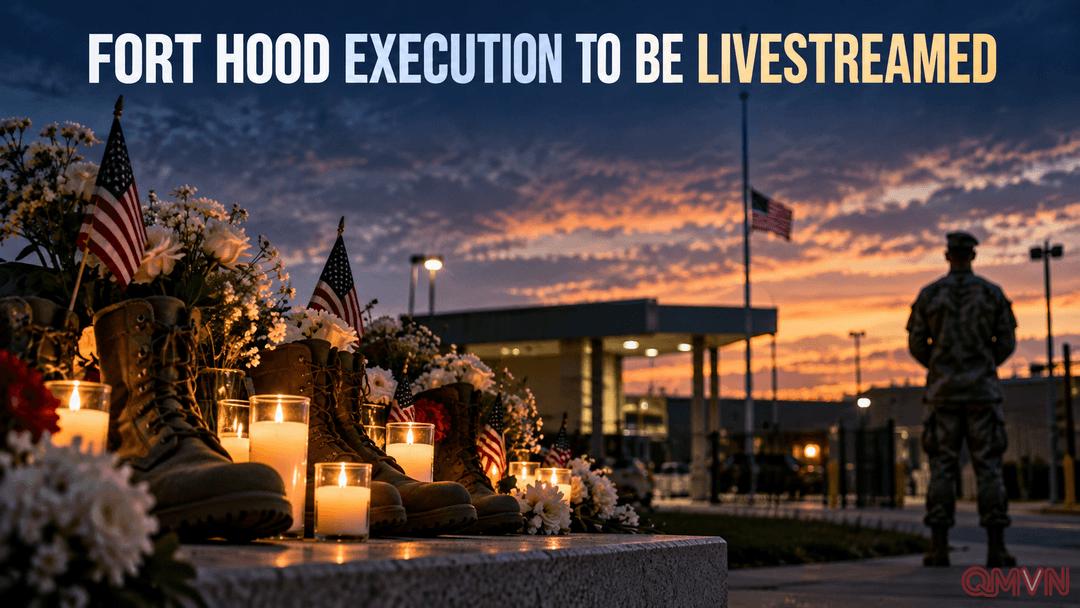
The plan announced in Washington on October 8 places Hasan’s execution at Fort Hood on Thursday, December 3, at approximately 1 p.m. local time. The choice echoes the weekday, hour and location of the November 5, 2009 attack. That deliberate connection to the original crime makes the announcement more than a routine scheduling decision; it introduces symbolism into the administration of an exceptionally rare military punishment.
Hegseth had said on Human Events Daily, carried by Real America’s Voice, that the public would be able to witness the punishment. A Pentagon official subsequently confirmed to Reuters, on condition of anonymity, that it would be livestreamed and that further information would follow. No official distribution platform, viewing restrictions or technical details have been announced. The distinction matters because a promise of public access does not yet explain how access would work.
Administration officials have presented visibility as a means of underscoring accountability for the killing of fellow service members. But publishing the judgment of a court is different from broadcasting the final moments of a condemned person. The gap between those two forms of transparency is at the heart of an emerging discussion about ethics, deterrence and the responsibilities of news and digital platforms.