MAIN CONTENT
A threshold crossed, and a household budget squeezed
The October consumer price index increased 6.09% from a year earlier, 0.55 percentage point above September’s 5.54%. That pushed the reading past the upper edge of the RBI’s 2%-to-6% tolerance band surrounding its 4% medium-term objective. It was also higher than the 5.93% outcome anticipated in a Reuters survey. The breach is narrow in numerical terms but significant as a signal that inflation is proving more resilient than expected.
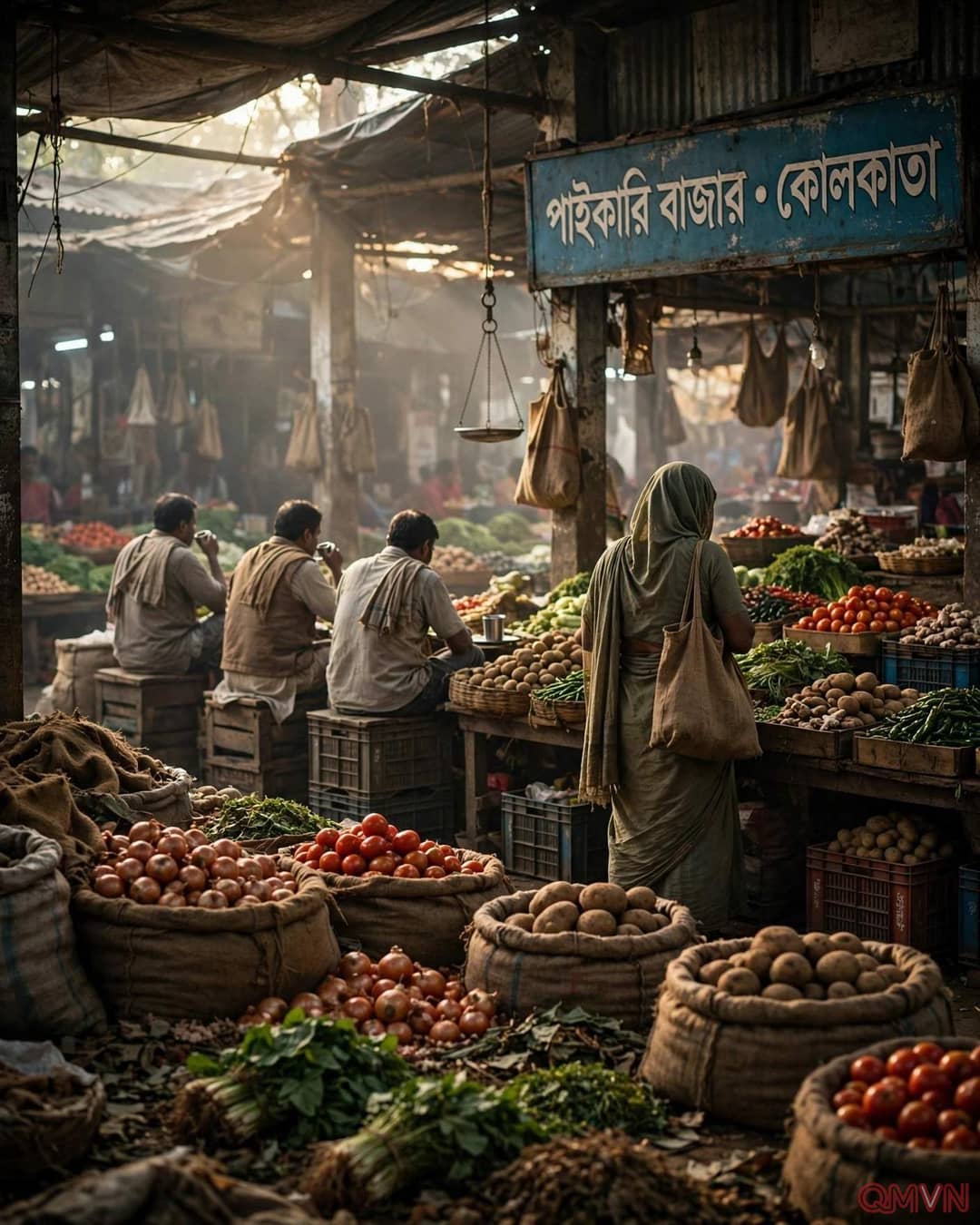
Food is the clearest source of discomfort. Reuters reported food inflation rising to 8.94% from 7.74%, with items including onions, garlic and ginger becoming more expensive. Food represents nearly 40% of the price basket, so sharp increases can overwhelm the relief consumers may feel elsewhere. For lower-income households, where groceries command a greater share of spending, the resulting strain can be especially immediate.
The distinction between a falling inflation rate and falling prices also matters. Even if annual inflation eases later, many products may remain more expensive than they were a year before. Families ultimately experience the accumulated cost of daily purchases, not just the direction of an index. That makes the persistence of food pressures economically and politically consequential.