MAIN ARTICLE
A two-day offer, not an unconditional reopening
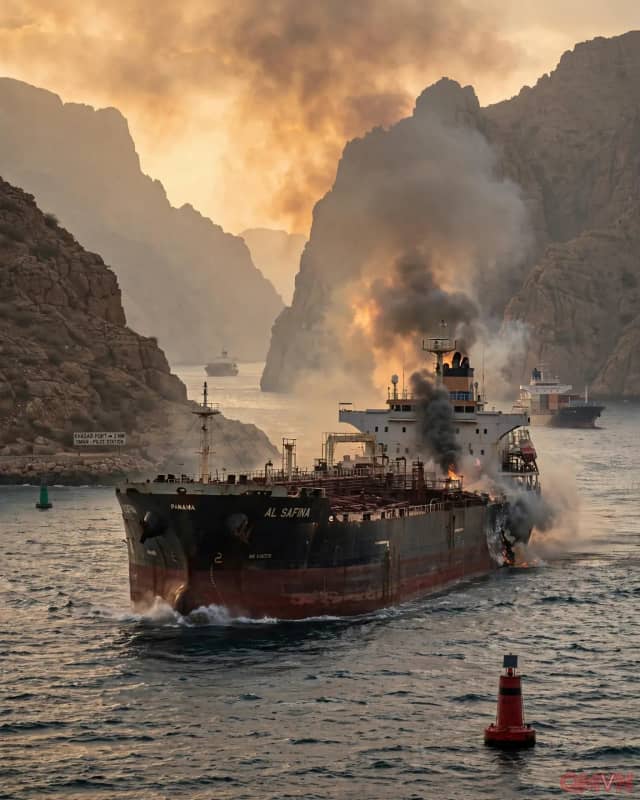
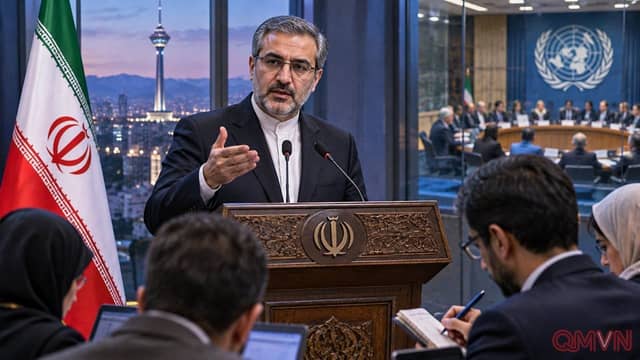
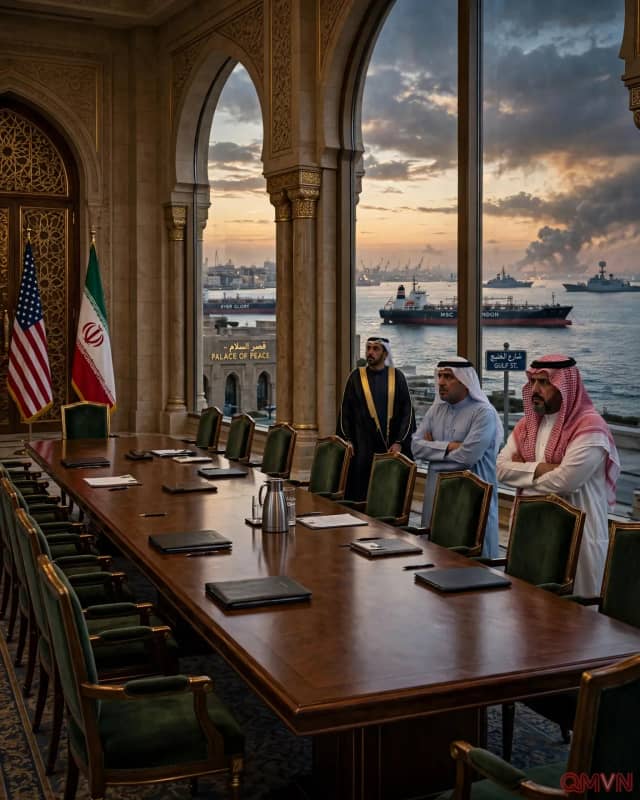
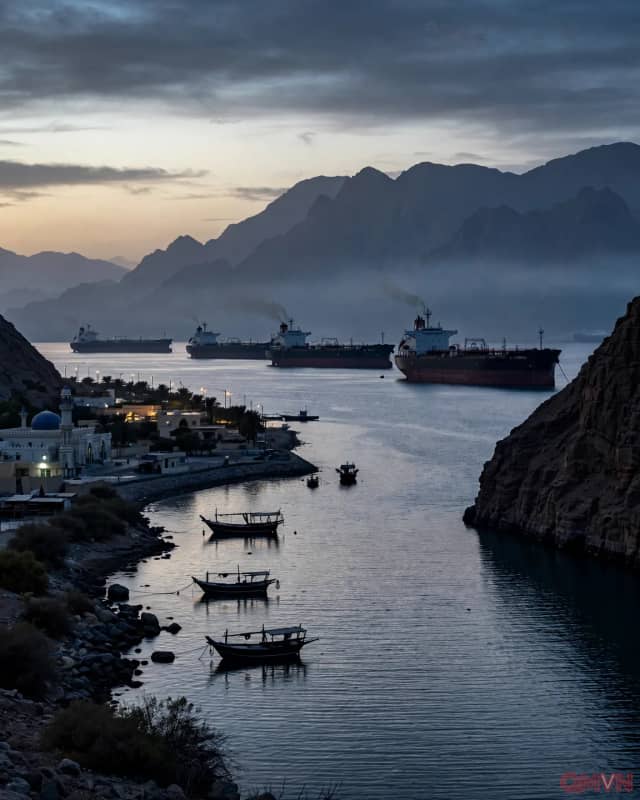
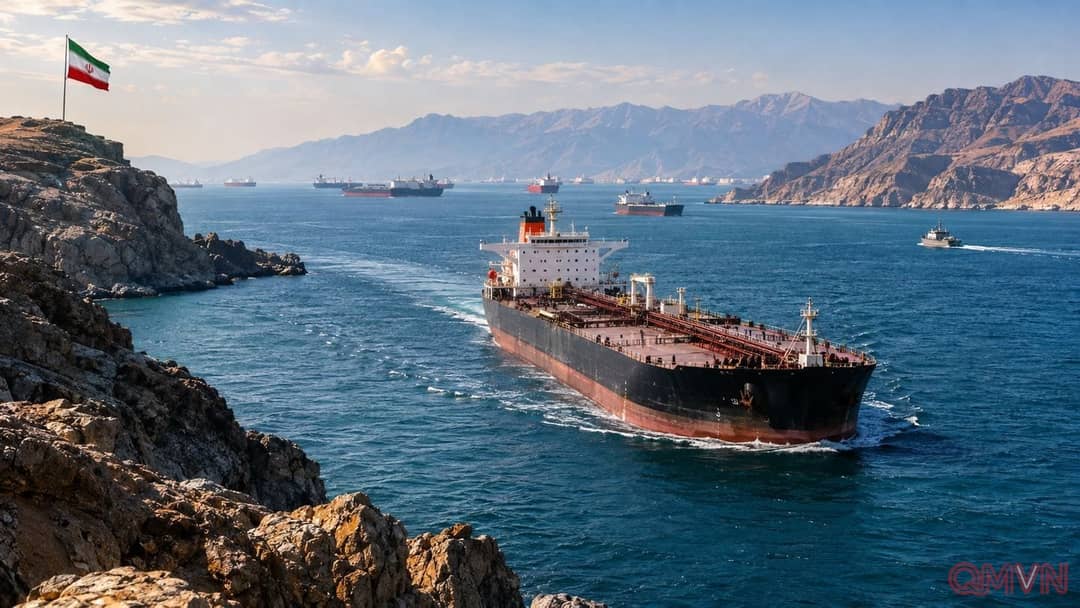
Speaking on November 2, Esmaeil Baqaei described the possibility of implementing the plan in forty-eight hours as evidence of good faith. Reuters and AFP reported that indirect messages were still being exchanged through mediators. His comments did not establish that the strait had reopened, nor did they announce an unconditional date for vessels to resume transits. That distinction matters to shipping companies: a diplomatic statement cannot substitute for safe-passage guarantees, navigational instructions or insurance assessments.
Tehran’s September initiative had envisaged a seven-day process, with renewed traffic through Hormuz linked to prior steps by Washington. Foreign Minister Abbas Araghchi subsequently said contacts involving Qatar and Pakistan had helped make the schedule shorter and more workable. The revised timetable signals that room for bargaining remains, but it also intensifies the central problem: who acts first, what precisely counts as compliance, and who verifies each step?
Iran is seeking an end to the fighting across fronts, an end to the blockade of its ports, the release of overseas assets and relief from sanctions on oil. Several of those demands reach well beyond the management of a maritime passage. A technical shipping arrangement may be easier to devise than a comprehensive political settlement, yet Tehran has linked the two. Disagreement over sequencing alone could therefore hold up the restoration of commercial traffic.