MAIN STORY
One ambition, many regulatory systems
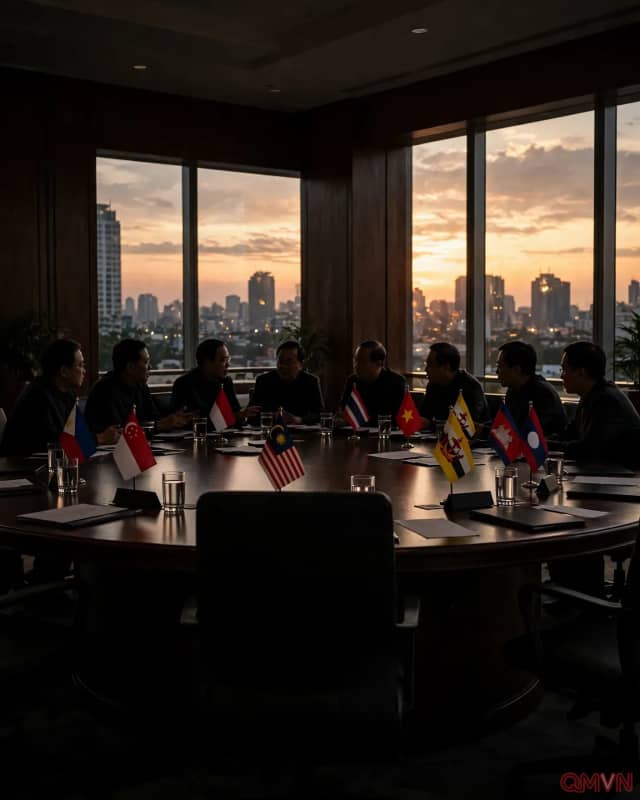
ASEAN wants merchants, consumers and service providers to transact across borders with fewer obstacles. A June 1, 2026, ASEAN statement said negotiators resolved all outstanding issues at their late-May meeting in Manila. Officials envisage a framework covering e-commerce, paperless trade, digital payments, consumer protection, data safeguards and emerging technologies. Yet completing negotiations does not mean national rules have changed, or that payment networks already function as one.
Predictability is especially valuable to small companies. A startup selling to three neighbouring markets may have to master three sets of data-handling duties, licensing conditions and complaint mechanisms. Large multinationals can pay compliance specialists; small traders often cannot. Harmonisation could reduce that cost, while vague pledges risk becoming an additional layer of paperwork.
Payments and data offer the first practical tests
The management of data reflects national choices. One country may favour freer transfers while another imposes security controls or local-storage obligations. Without mutual recognition or common operational standards, platforms must customise systems market by market.