MAIN ARTICLE
A vote that revealed complicated loyalties
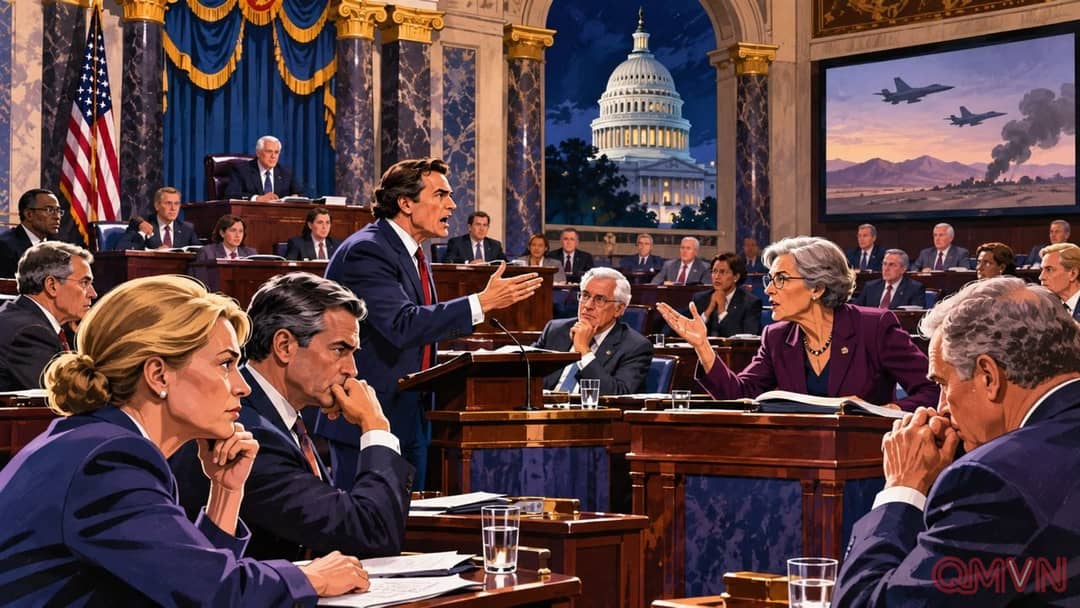
The Senate recorded 48 votes for and 51 against H.Con.Res.93, already approved by the House in September. Republican senators Susan Collins, Lisa Murkowski and Rand Paul supported it. Democrat John Fetterman voted no, while Chris Murphy was absent as he recovered from a stroke. The result left the measure defeated, rather than overturning the president’s authority.
Supporters wanted lawmakers to state plainly whether the United States should remain in hostilities without a congressional authorization. Opponents described the Iranian threat as demanding continued military flexibility. Republican Tim Sheehy argued that the conflict was a necessity, not a choice. That assertion, however, underscores the larger question raised by critics: what objective would establish that the necessity had ended?
The constitutional struggle behind the headlines
The Constitution grants Congress the power to declare war while placing the armed forces under the president as commander in chief. Congress enacted the War Powers Resolution in 1973 to create reporting duties and limits on unauthorized hostilities.