MAIN CONTENT
A marketplace caught in the conflict
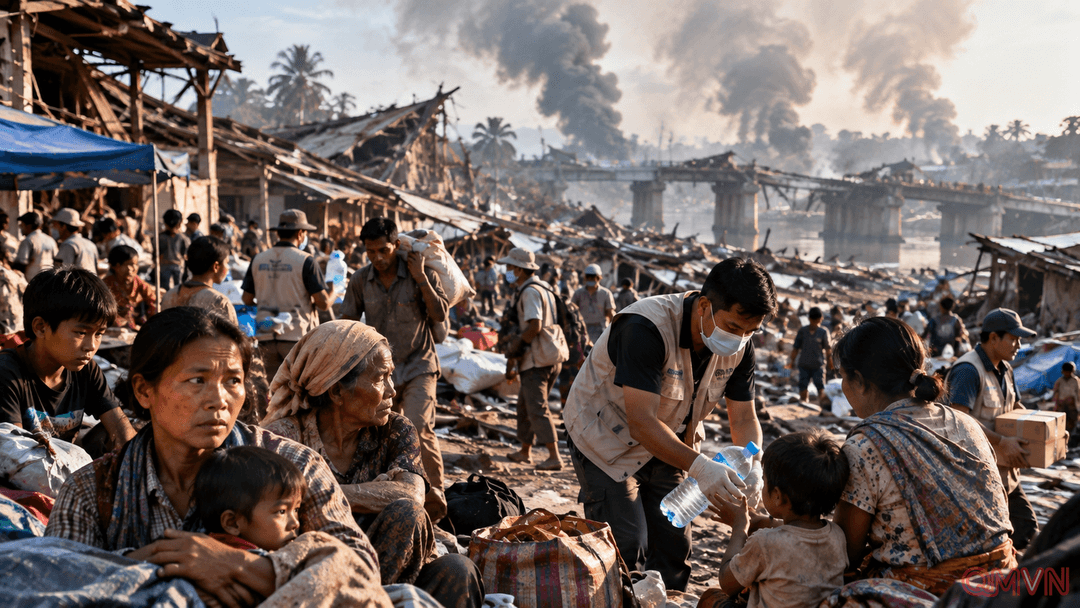
For families in Kyauktaw, the market had been a place to sell produce, purchase essentials and maintain a fragile livelihood. On September 28, the ordinary routines of trade gave way to fire, destruction and efforts to recover casualties. Reuters subsequently reported 50 deaths. An earlier Associated Press account, citing the Arakan Army and local rescuers, listed at least 49 dead and 58 injured, including critically wounded people. Totals can shift as emergency teams identify victims and hospitals update their records.
AP reported that the explosion struck an area around a wholesale market and a nearby bridge in territory held by the Arakan Army. Local accounts described destroyed stalls, vehicles and buildings. Restrictions on movement, interrupted roads and limited medical supplies complicate the treatment of casualties. The Arakan Army and local sources blamed Myanmar’s military. The military had not issued an immediate account of this particular strike when those reports appeared, although it has previously maintained that it attacks military targets rather than civilians.
The difference between initial death tolls is a reminder that verification in a contested war zone is exceptionally difficult. Testimony from residents, information from combatants and independently documented findings cannot be treated as identical forms of evidence. Yet the broader humanitarian question remains clear: when an intensely used commercial area is struck, the risks to noncombatants and already vulnerable households are profound.