A day on the streets for the young
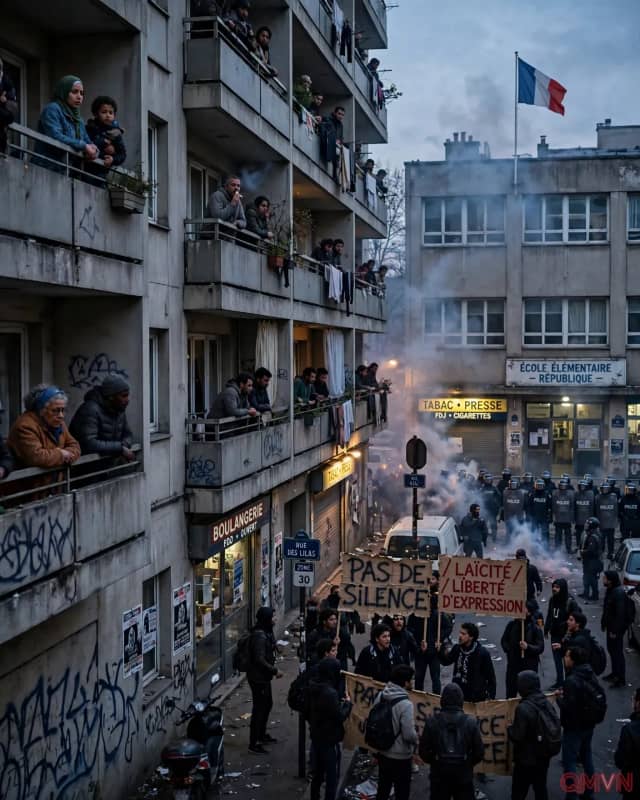
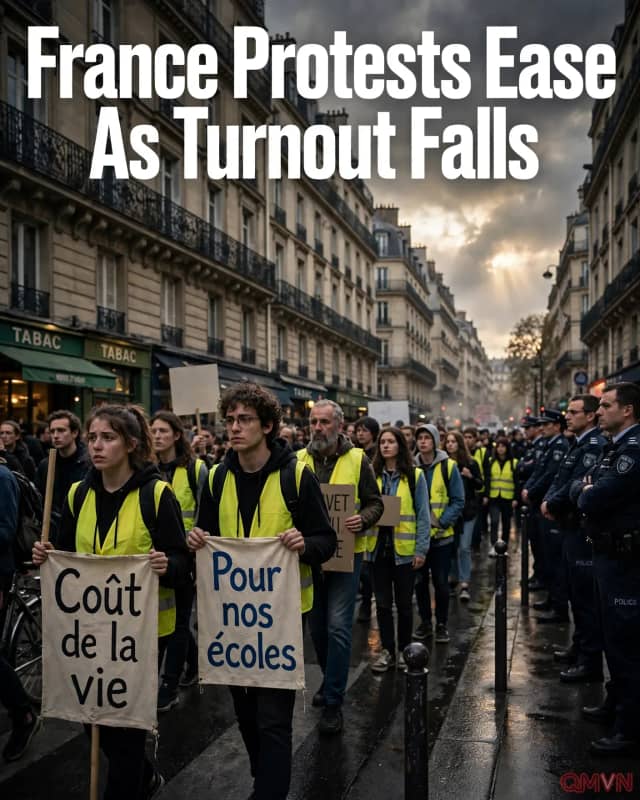
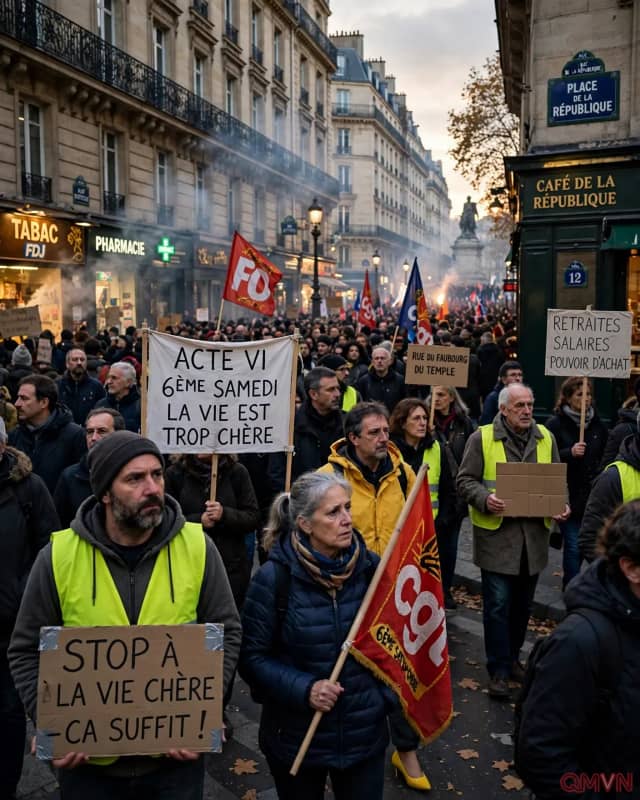
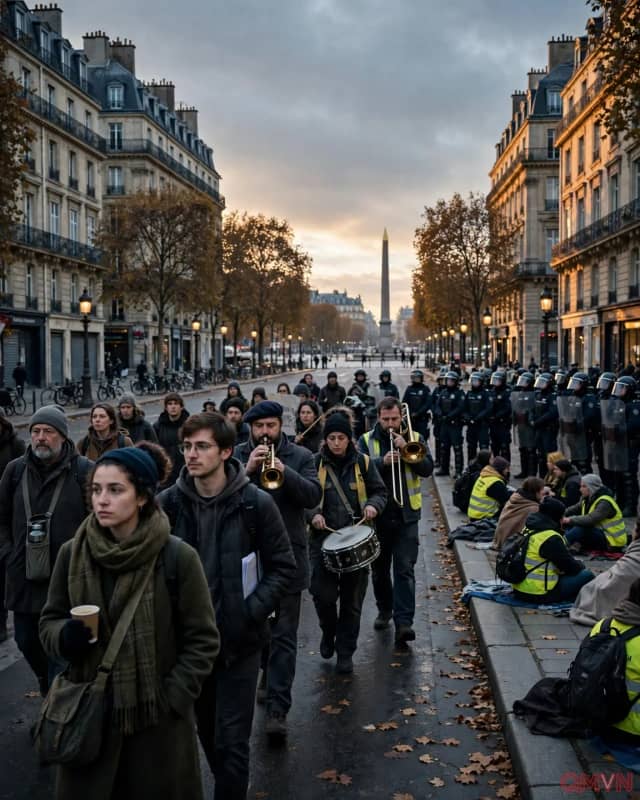
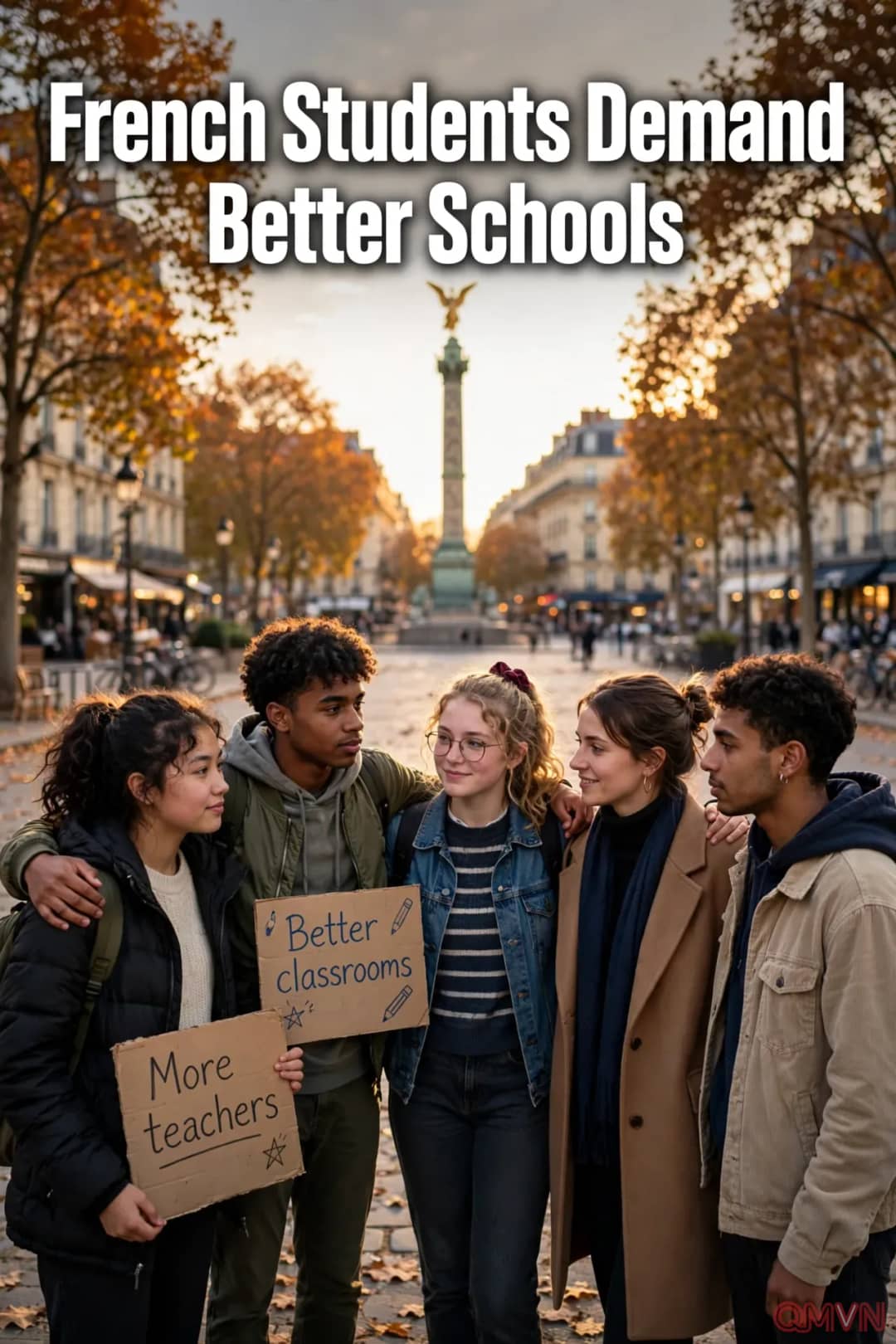
From early on October 8, students blockaded the gates of many high schools across France. According to the Interior Ministry, 71,500 people took part in the day’s marches, including 24,500 in Paris, where the rallying point was the Place de la Bastille, a historic symbol of the French spirit of protest.
The march in the capital was largely peaceful, with only occasional clashes between small groups of demonstrators and police in the evening. Not only students but also many teachers and parents took part, turning the day into a shared voice for the whole education community.
Classrooms of 37 pupils
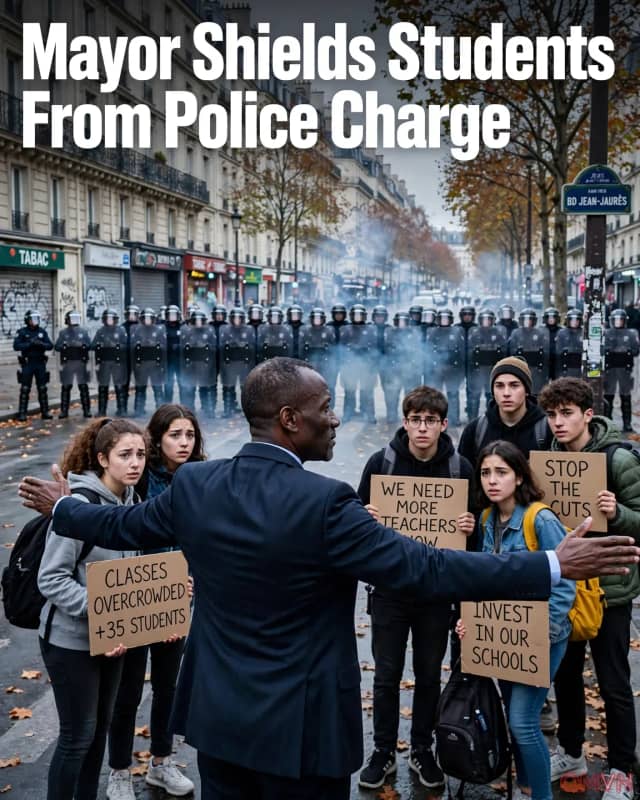
Protesters say they want more teachers and better facilities. In their view, many school buildings are badly dilapidated, with overcrowded classrooms that are freezing in winter and sweltering in summer. Diane Di Sciullo, a 28-year-old high school teacher in Marseille, said her class has 37 students this year, and that all they are asking for is a decent education in decent conditions.
At the start of every lesson, I have to ask them to check the neighbouring classrooms for spare chairs and desks so they can actually study.
Her placard carried a bitter message: “I’m a teacher and my students help me catch cockroaches in class.” Alongside it are grievances over school days running from 8 a.m. to 6 p.m., heavy homework loads and Parcoursup, the online university admissions portal criticised as confusing and stressful.
Violence clouds the movement
Alongside the peaceful marches, October 8 also brought a series of troubling incidents reported by the Interior Ministry and local police.
- A police station in Bordeaux was attacked by arsonists.
- A school in Saint-Etienne was ransacked.
- A teacher in Toulouse was hit by a demonstrator.
- In Marseille, a teacher at Victor Hugo High School was attacked and has filed a criminal complaint.
Critics say the movement has been infiltrated by violent far-left and anarchist elements.
Conversely, many protesters accuse the police of heavy-handed tactics: hundreds have been arrested and dozens injured since the movement began, and on October 7 the government suspended the use of stun grenades after one teenager’s hand was blown off.
The government promises, students remain unconvinced
Speaking to TF1 television, Education Minister Edouard Geffray said extra teachers would be sent to understaffed schools, heavy timetables would be reviewed and Parcoursup would be improved. Prime Minister Sebastien Lecornu pledged “concrete, quick and fully funded responses” by late October, without giving details. Education ministry figures showed the number of school blockades gradually decreasing.
Our demands must be heard. Yesterday, Mr Lecornu gave us a lot of hot air.
Ryad Rani, leader of one of the student unions, insisted the movement would continue and would not back down. Student leaders called for further marches next Tuesday, while calls are circulating online for a day of protests on October 17. On the banners, one slogan captured the mood of a generation: “Too young to be listened to, old enough to be tear-gassed.”
Schools on the electoral chessboard
Just six months before a presidential election in which Emmanuel Macron cannot seek a third term, the protests have exposed stark polarisation among the leading candidates. Far-right frontrunner Marine Le Pen has highlighted damage to schools caused by a minority of protesters and outlined plans to slash public spending if she wins. Hard-left candidate Jean-Luc Melenchon, who also has a chance of reaching the runoff, has praised the protesters as “incredible” and denounced police brutality.
Public opinion is divided in its own way: according to an Elabe poll for BFM TV, 72% of French people consider the students’ demands legitimate, but 55% think the protests should stop. The wave has also spread to neighbouring Belgium, with marches in Brussels, Ciney and Liege.