MAIN BODY
A crisis that extends beyond the examination hall
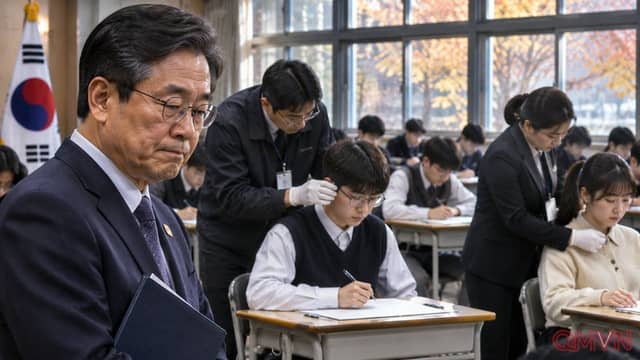
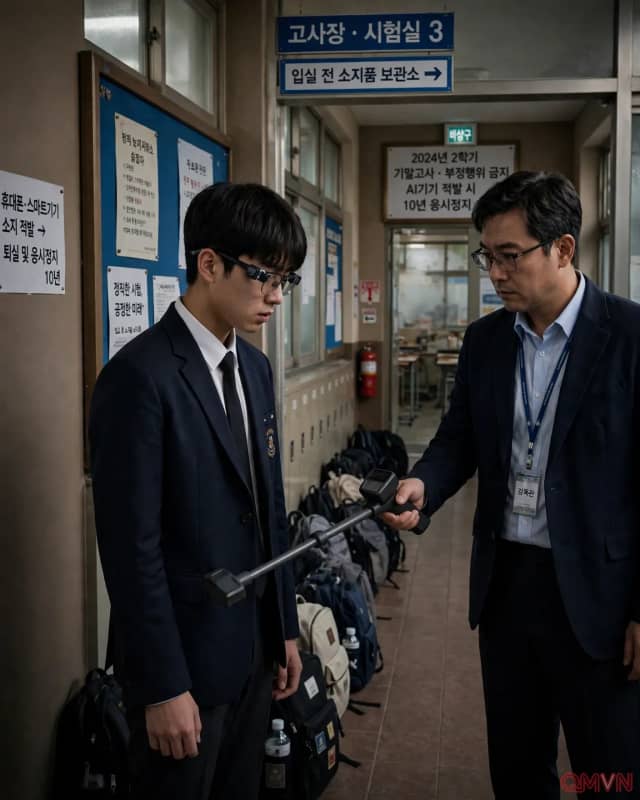
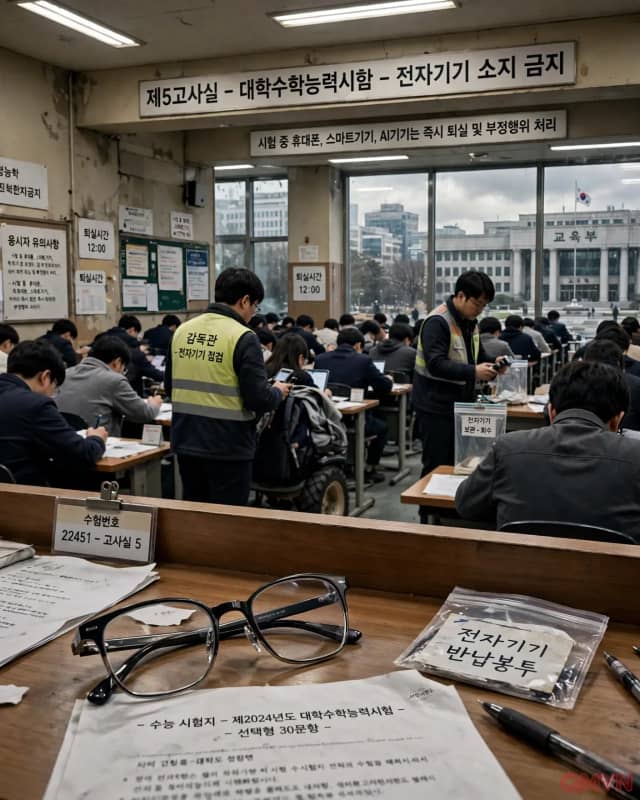
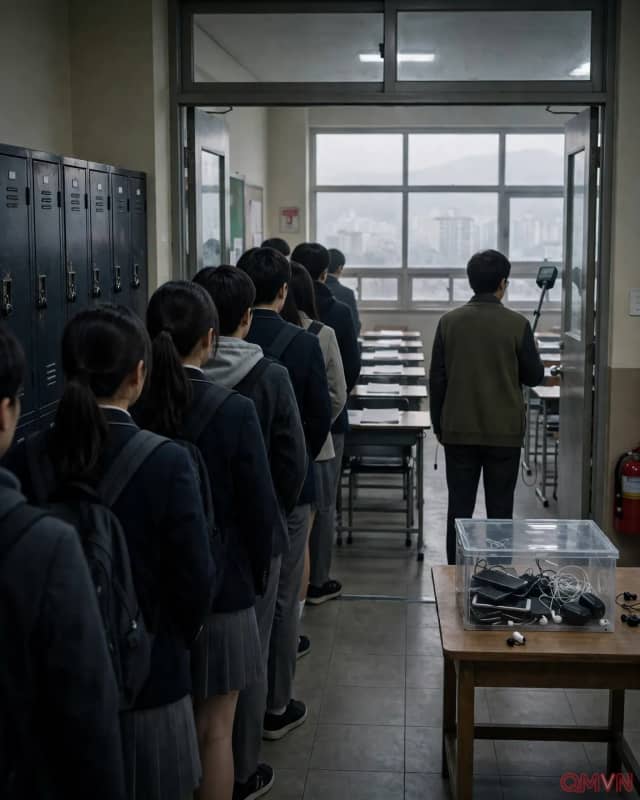
The professional examination scandal has called familiar supervision practices into question. Smaller electronic devices and developments in artificial intelligence (AI) create risks that ordinary observation may not readily identify. Yet possession of an everyday accessory does not itself establish an intention to cheat. Security arrangements must recognize that distinction if they are to protect honest candidates rather than simply increase their anxiety.
KBS reported on November 23 that the Education Ministry would pursue criminal complaints against five candidates caught cheating with smart devices during the previous week’s national College Scholastic Ability Test, known as Suneung. Officials also emphasized caution about cancelling early admission merely on the basis of device possession. The distinction between a rules violation and substantiated cheating matters when consequences may affect a young person’s education for years.
Different universities, different procedures
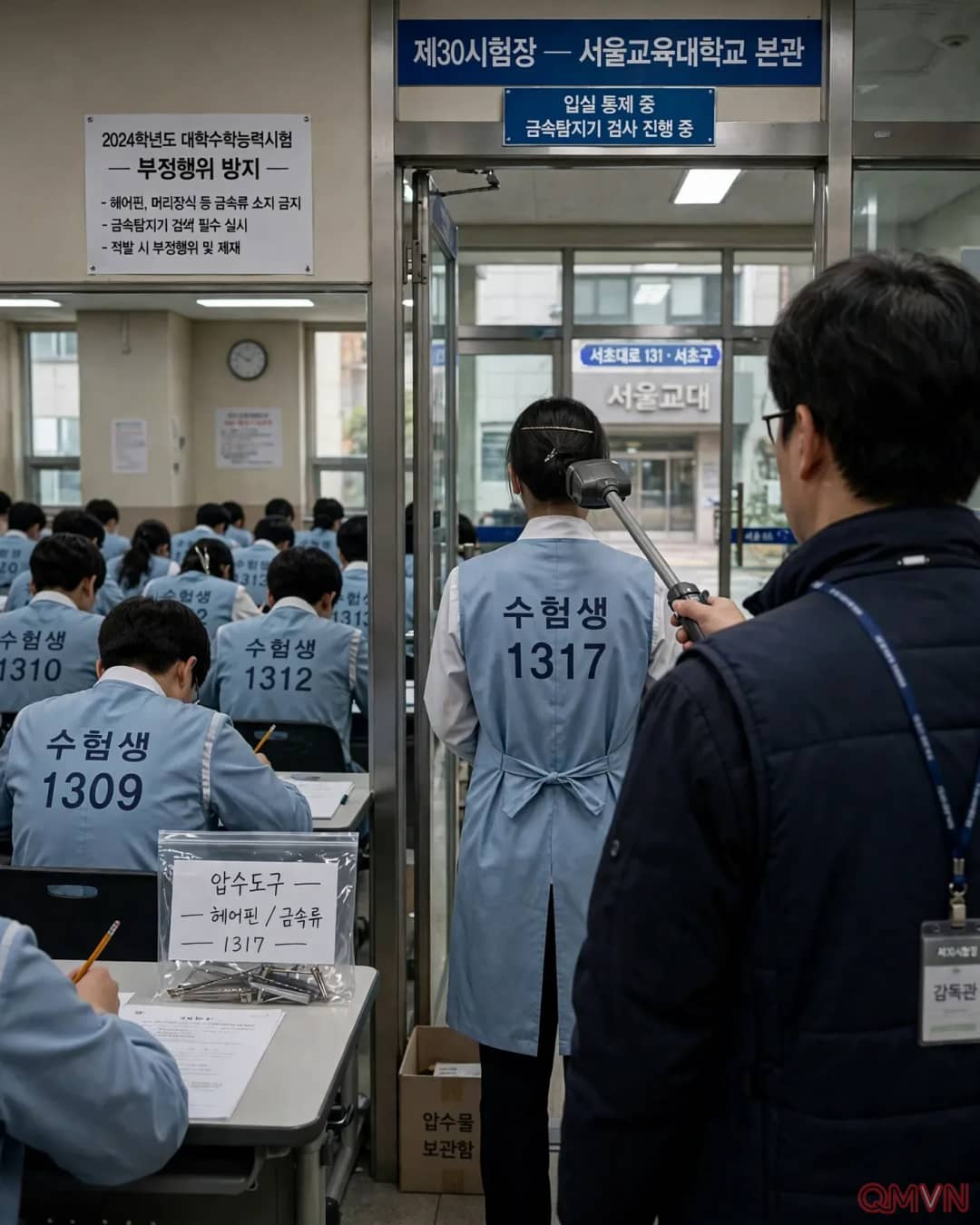
The Korea Herald reported that Sungkyunkwan University required candidates using hair ties or headbands to submit them for inspection. Konkuk University prohibited hats and earmuffs, while Sookmyung Women’s University required candidates to expose their ears by tying back their hair.