MAIN CONTENT
Two crises, one humanitarian emergency
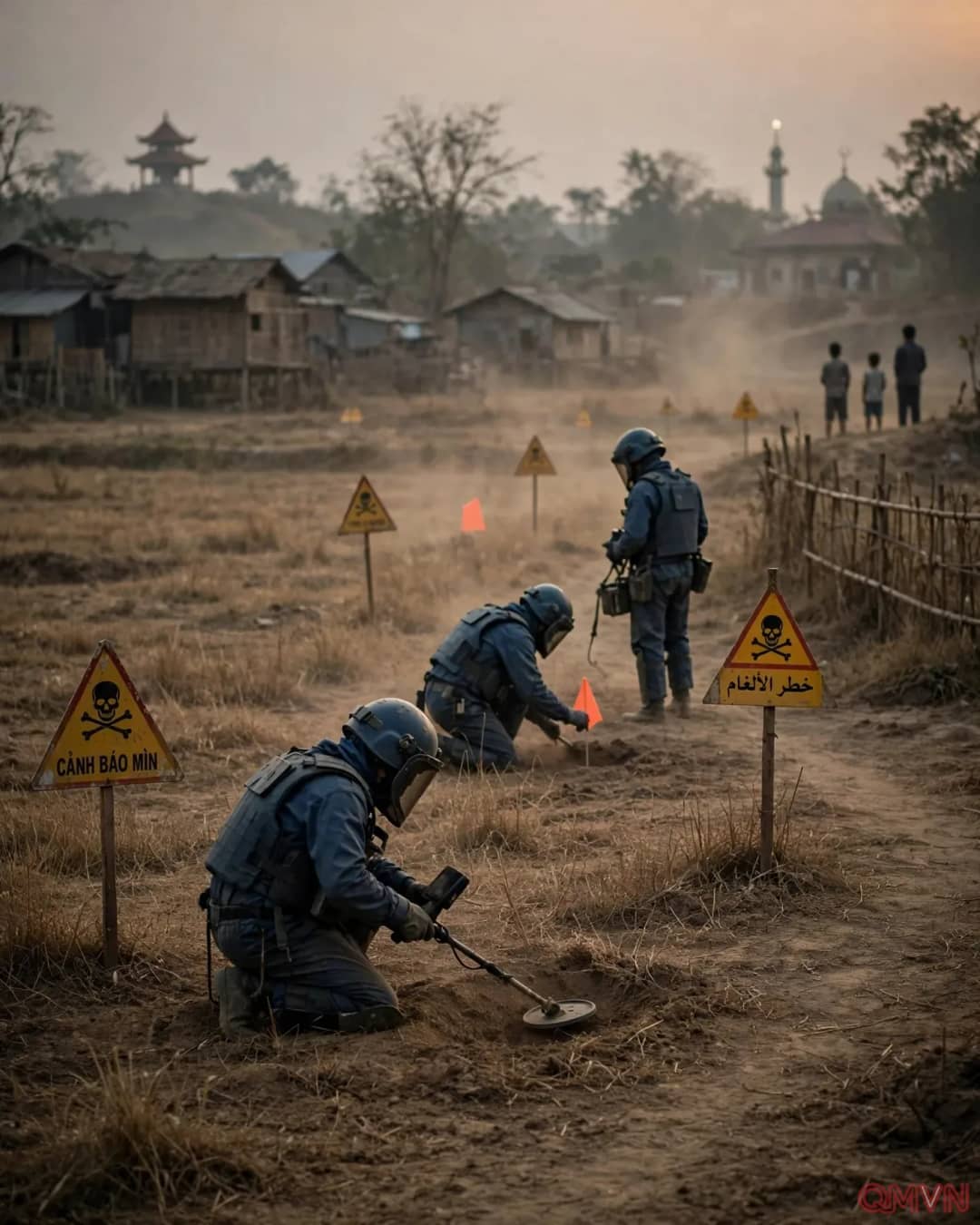
The report recorded 1,891 casualties in Myanmar and 1,602 in Syria during 2025. These are annual national aggregates, not counts from individual attacks. In Myanmar, the report describes extensive mine use by government forces and armed opponents. Contamination affects nearly two-thirds of townships, according to researcher Yeshua Moser-Puangsuwan. The geographical spread makes ordinary movement increasingly uncertain, particularly for people who cannot afford to leave their communities.
Syria illustrates a different dimension of the crisis. The collapse of the Assad government in late 2024 encouraged many displaced people to return. But a return home is not synonymous with a return to safety. Families may discover that the land on which their livelihoods depend remains dangerous. Reconstruction therefore needs to incorporate professional clearance and reliable information about which areas are safe to enter.
The hidden costs of contaminated land
The annual casualty total captures only part of the burden. A farmer unable to cultivate a field, a child unable to reach school safely and a clinic cut off from patients may never appear in injury statistics.