A frightening morning in Kuching
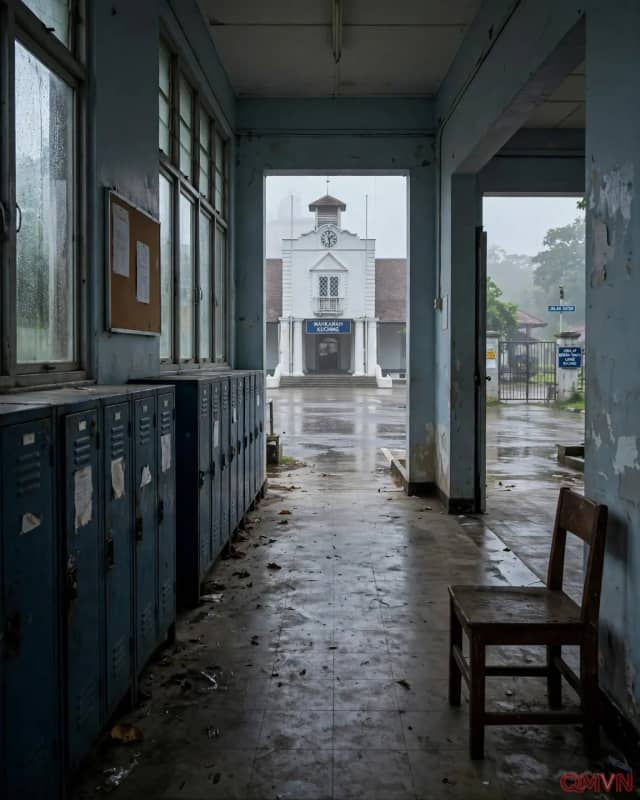
According to CCTV footage, the teenager entered a classroom at Tunku Putra-HELP School shortly before 8am on Wednesday and struck the teacher once before leaving, then returned through another door as students fled. When the teacher tried to intervene, two male students subdued him and took the axe away. Video clips circulating online suggest he had attached a mobile phone to his head to live-stream the attack; footage believed to be from the broadcast was briefly posted before being removed.
Sarawak acting police commissioner Saifullizan Ishak said officers received an emergency call at 8.03am reporting that a student had brought firecrackers to school and injured a teacher with an axe. The victim reportedly sustained a cut to her hand. The student was arrested at the scene.
The school’s rapid response
The school said it immediately activated emergency protocols, with staff acting quickly to intervene before emergency services arrived. It said the teacher was recovering well and had suffered no critical injuries, and that the teenager was no longer enrolled at the school.
“Students in the affected classroom managed to evacuate the area, and no other injuries were reported.” — Tunku Putra-HELP School
The swift action of staff and the courage of the two students who disarmed the attacker likely prevented a far worse outcome. The school said it would continue to cooperate fully with police as the investigation proceeds.
Investigation and support
Authorities have moved on several fronts in the aftermath of the attack:
- Police are investigating the case under Section 324 of the Penal Code for voluntarily causing hurt with a dangerous weapon and under the Explosives Act 1957 for possession of explosives.
- The teenager is being held in the psychiatric ward of Sarawak General Hospital, according to the New Straits Times, as investigators examine the circumstances behind the attack.
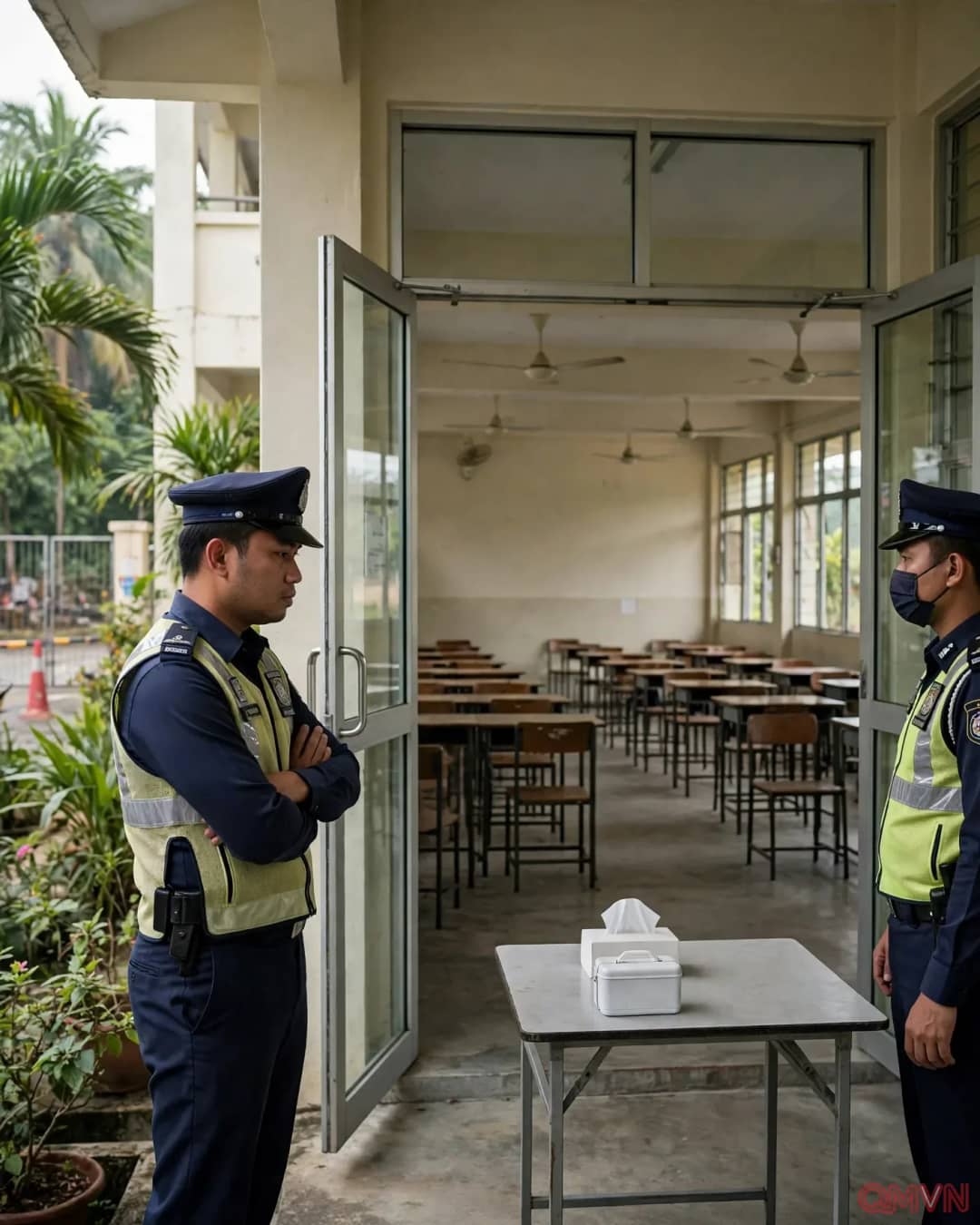
- Three auxiliary police officers have been stationed at the school, security checks will be carried out on everyone entering the campus, and Sarawak’s Education Department has offered psychosocial support to students, teachers and staff.
Mental health professionals note that attacks of this kind can leave lasting emotional effects on witnesses, especially young people, making counselling and support as important as physical security in the weeks ahead.
Concern over violence streamed online
The live-streamed nature of the attack has alarmed authorities across the region. It came two months after an August attack at Ateneo de Zamboanga University in the Philippines, where a student opened fire, killing a fellow student, and partly broadcast the attack on Facebook Live before the attacker himself died. Philippine authorities have since stepped up online monitoring, following another fatal school shooting in South Cotabato province last month.
“The trend has changed. Incidents are now more on the internet, in cyberspace.” — Allan Manibog
Manibog, a regional police director in the Philippines, said law enforcement agencies need to strengthen anti-cybercrime units to address the problem. Experts warn that the prospect of an online audience may motivate some attackers, and that rapid removal of such footage is essential to avoid spreading trauma and inspiring copycats.
Protecting schools in the digital age
The incident adds to an ongoing debate in Malaysia about youth safety. Following a series of violent incidents in schools last year, which Prime Minister Anwar Ibrahim linked partly to unregulated phone and social media use, Malaysia brought its Online Safety Act into force in January and from June began requiring major platforms to bar children under 16 from opening social media accounts.
Supporters of tighter rules say platforms must do more to detect and stop violent live broadcasts quickly. Child protection experts caution that regulation alone is not enough and stress the importance of mental health services, early warning signs, school counselling and strong relationships between students, families and teachers. As investigations continue, the Kuching attack underscores how schools must now prepare for threats that cross from the classroom into cyberspace.