MAIN CONTENT
A different kind of movement
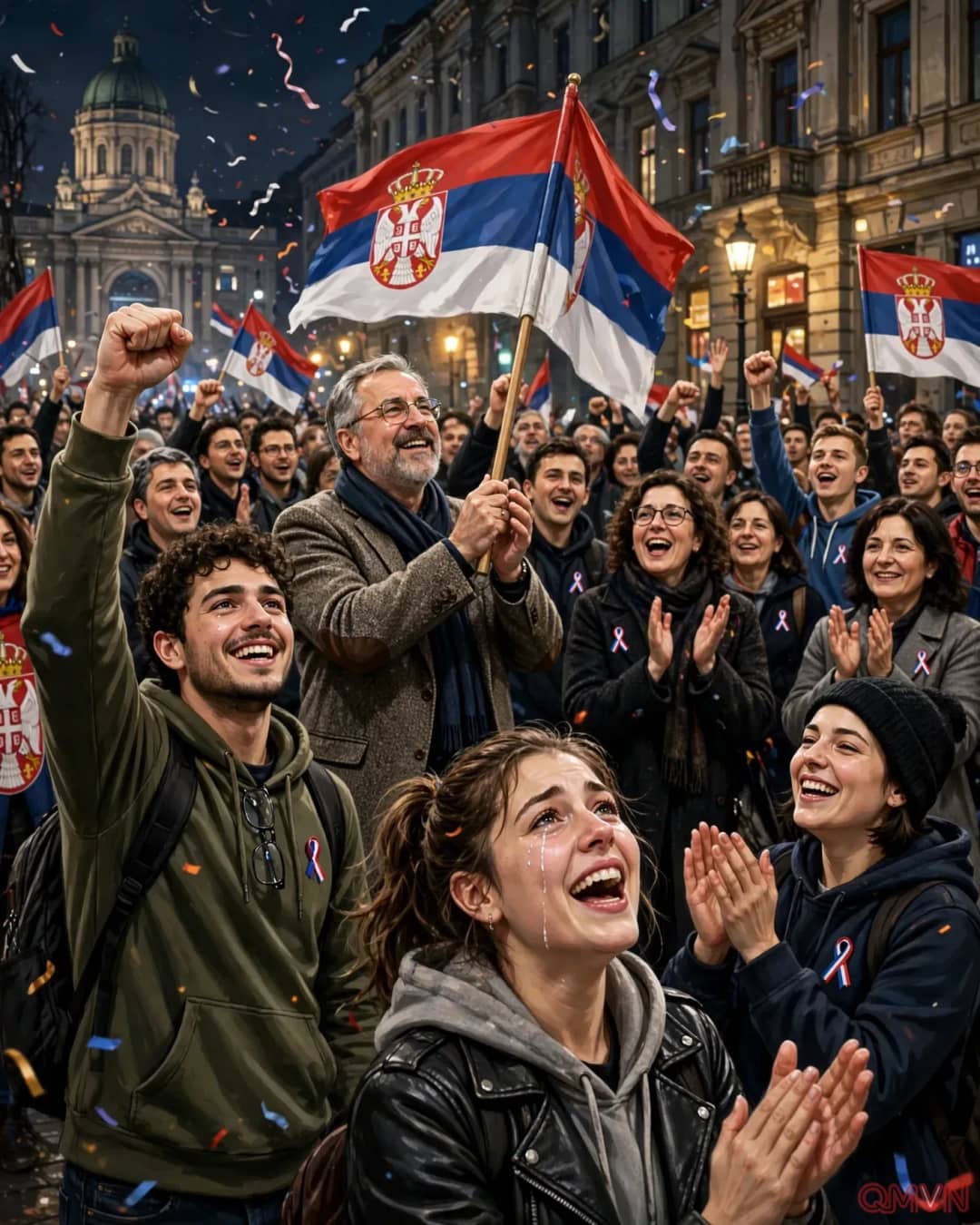
As young people protest across Europe, from France and Italy to Albania, Serbia's student-led movement has stood out for its determination to take on a government accused of fixing elections, paying thugs to beat protesters and overseeing rampant corruption – accusations Vucic and his party have always denied.
What also sets them apart is that rather than rebellious students rowing with their teachers, they elected their own university professors as parliamentary candidates when they entered politics to topple strongman Aleksandar Vucic. On Sunday they got their wish, ending the career of a leader seen as pro-Russian, after Hungary's Viktor Orban was ousted earlier this year.
A blow to the Kremlin?
According to The Times' analysis, losing two useful allies within months is a heavy blow for President Putin: Orban often stymied EU support for Ukraine, while Vucic negotiated EU membership while cosying up to Moscow. Losing Serbia may be worse for the Kremlin given long-standing Slav ties; Belgrade's Russian cultural centre still features an exhibition on Russian military help to Serbia against Ottoman rule in the 19th century.