MAIN ARTICLE
A defensive line with too few relief troops
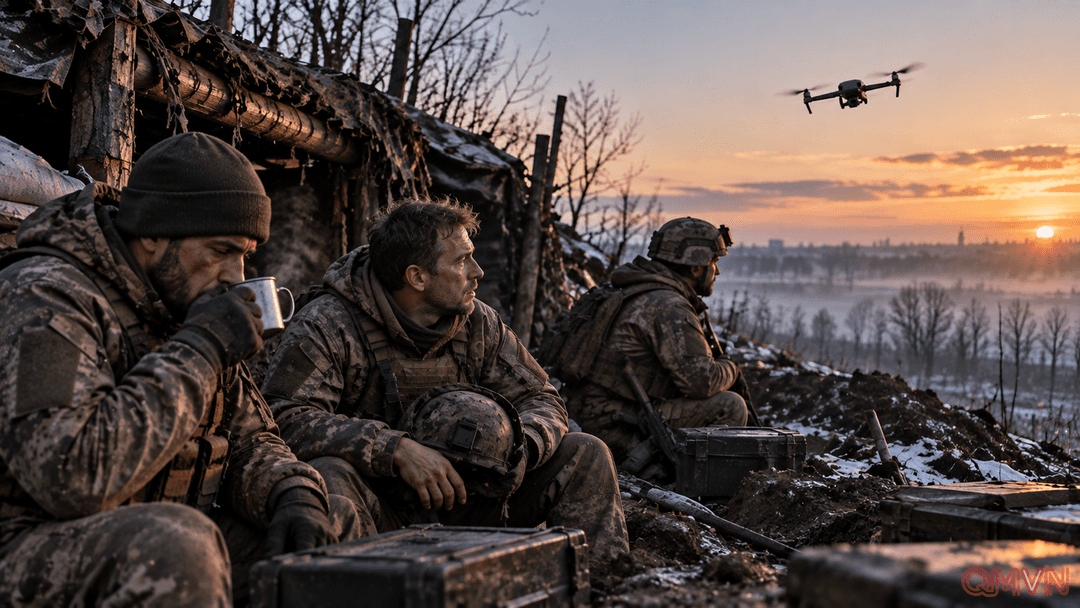
Around Pokrovsk in eastern Ukraine, a deputy commander of the Da Vinci Wolves battalion, identified as Afer under military rules, described a position stretched close to its limits. He told AP that his unit was at roughly half strength while its area of responsibility had doubled. Holding ground already required nearly everything available; advancing could mean accepting losses the unit could scarcely replace.
Rotation is not simply a reward after hard service. Researcher Nick Reynolds of the Royal United Services Institute argues that a force without fresh reserves cannot reinforce a breakthrough without weakening another sector. Long deployments also compound fatigue and casualties, leaving the same people to carry an increasingly heavy operational load.
What drones can achieve—and what they cannot
Drones have expanded surveillance and strike capabilities while allowing smaller teams to affect areas far beyond their immediate positions. But machines cannot independently hold every defensive position, treat wounded comrades, repair equipment or maintain supplies. Those tasks still require trained people working as coherent units.