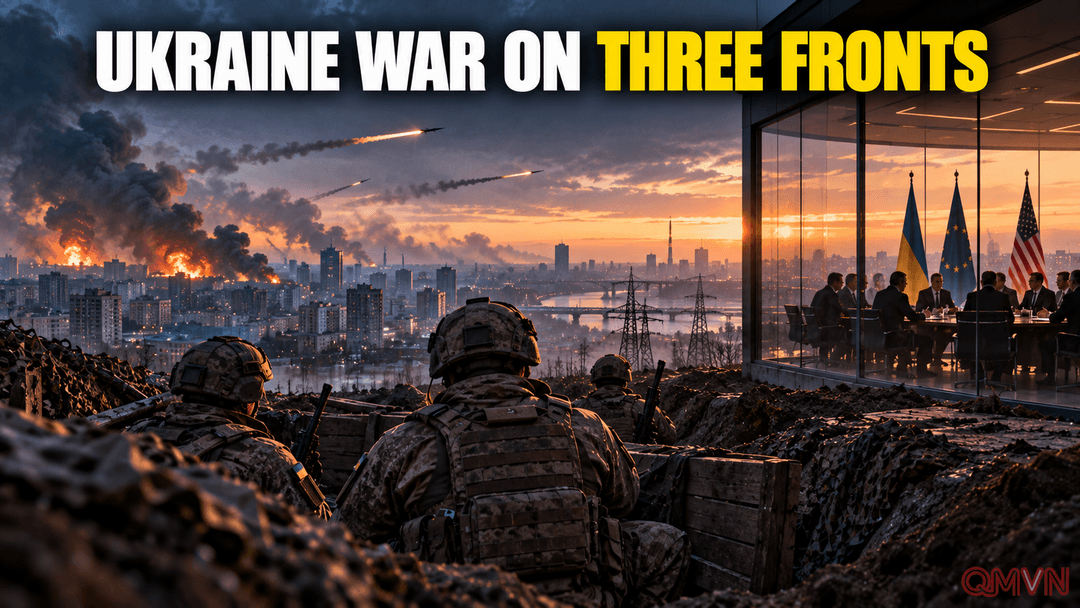
Cities become a front in everyday survival
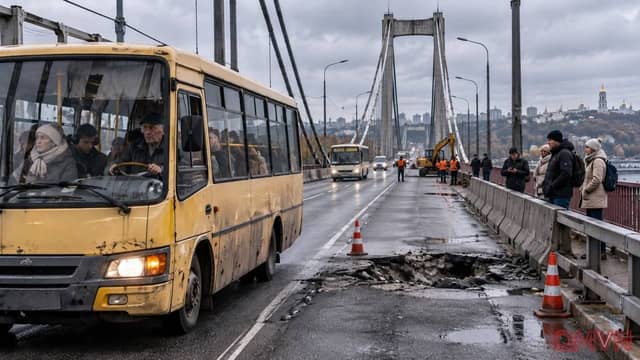
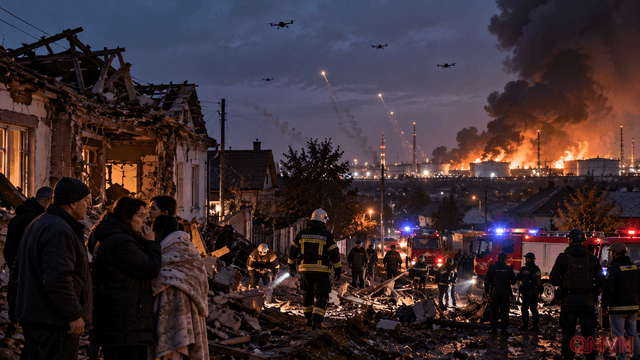
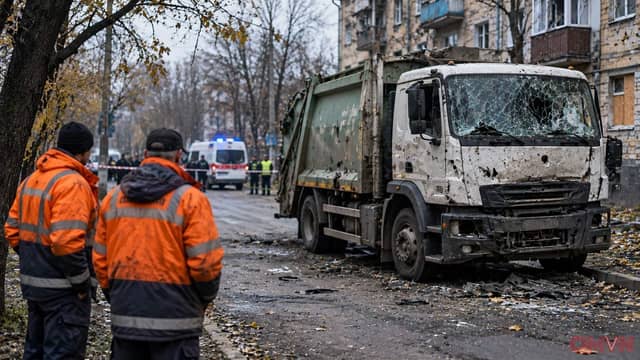
The first front extends well beyond the trenches. Strikes on electricity systems, transportation routes and residential areas threaten lives while disrupting the networks that sustain hospitals, schools, housing and businesses. A power outage or damaged bridge can affect an entire region long after the immediate attack.
On October 7, Associated Press reported deadly Russian missile and drone strikes across Ukrainian localities. Moscow described its targets as military-related facilities and ports; Kyiv said the strikes were intended to terrorize the population. Both sides’ characterizations must be distinguished from independently reported civilian harm.
In Lisunova’s framing, bridges and energy installations are not peripheral targets. Their loss can delay ambulances, interrupt supplies and expose vulnerable residents to cold and isolation. The ability to repair infrastructure and protect civilians is therefore central to Ukraine’s resilience.
The battlefield tests both technology and manpower
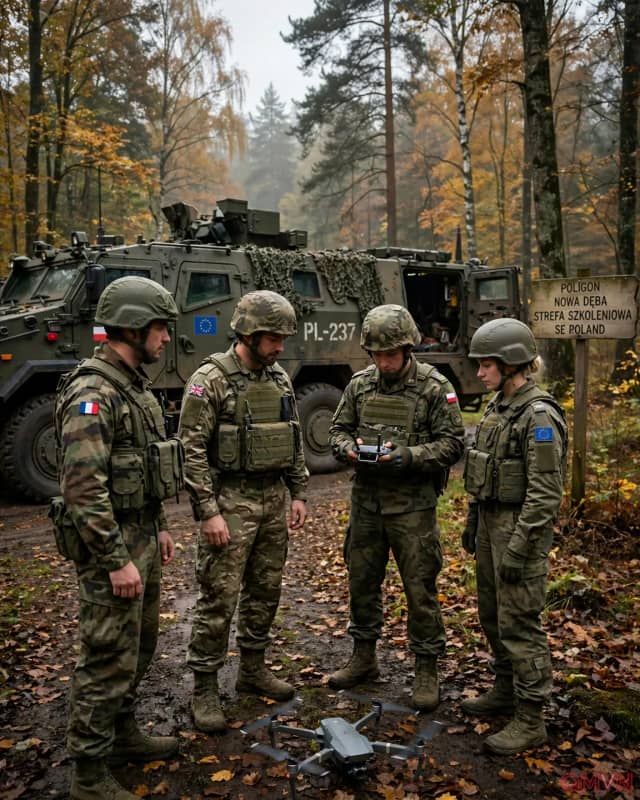
The second front is the contest to hold territory, rotate exhausted units and adapt to drone warfare. Technology has transformed reconnaissance and targeting, but it cannot independently replace infantry, maintenance crews or the logistics required to sustain a defensive line.