Fiscal Exhaustion and Phased Retail Fuel Escalation
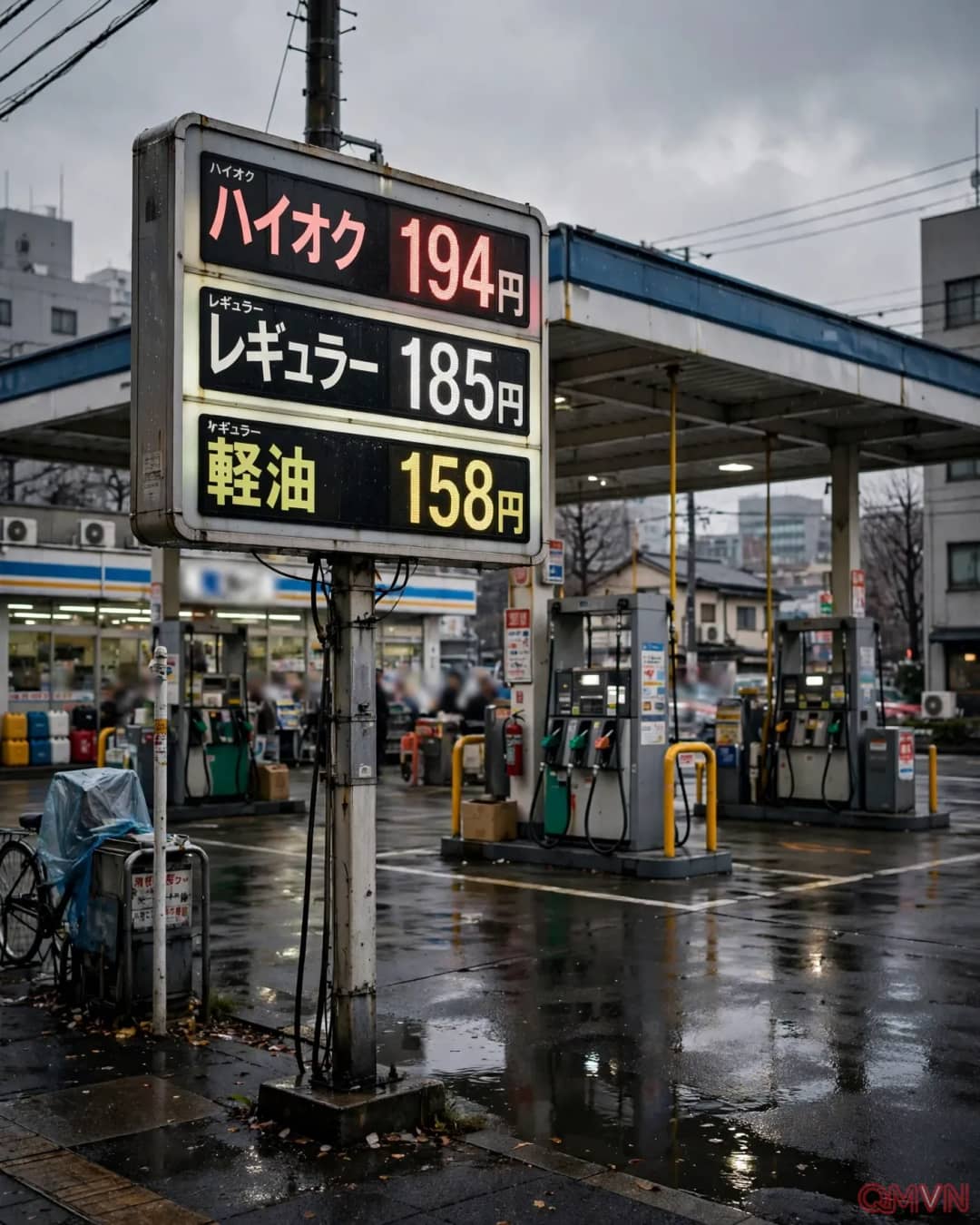
Senior officials within Tokyo's ruling coalition confirmed on Friday that financial allocations sustaining the emergency fuel price stabilization initiative are nearing critical exhaustion. To artificially suppress nationwide regular gasoline prices to approximately 170 yen (around $1.09) per liter, the national treasury has been disbursing billions of dollars monthly in direct subsidies to domestic wholesale fuel distributors.
This relentless expenditure is rapidly depleting the 3.1 trillion yen supplementary budget enacted by parliament in June. Under the proposal currently under active inter-agency deliberation, weekly disbursements will be progressively trimmed, nudging pump prices to approximately 175 yen per liter in December and toward 180 yen per liter by January 2027.
Once the consumption tax cut begins, households will feel less financial pressure; we would like to reduce gasoline subsidies as much as possible by then.
Prime Ministerial Review and Strategic Tax Offsets
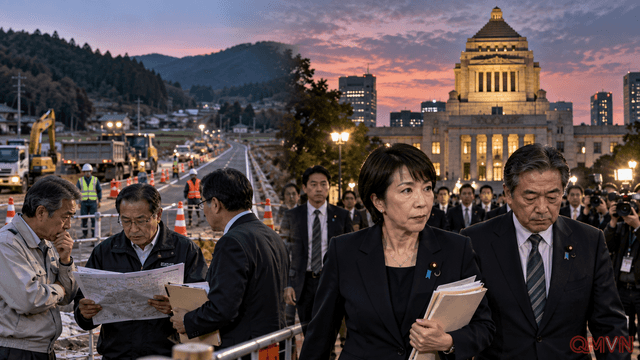
Addressing media representatives on Friday, Prime Minister Sanae Takaichi affirmed that she will officially instruct Minister of Economy, Trade and Industry Ryosei Akazawa to re-evaluate the parameters of the fuel relief program. The premier emphasized that the formal assessment must balance prevailing international crude benchmarks against the drawdown velocity of the dedicated subsidy fund.
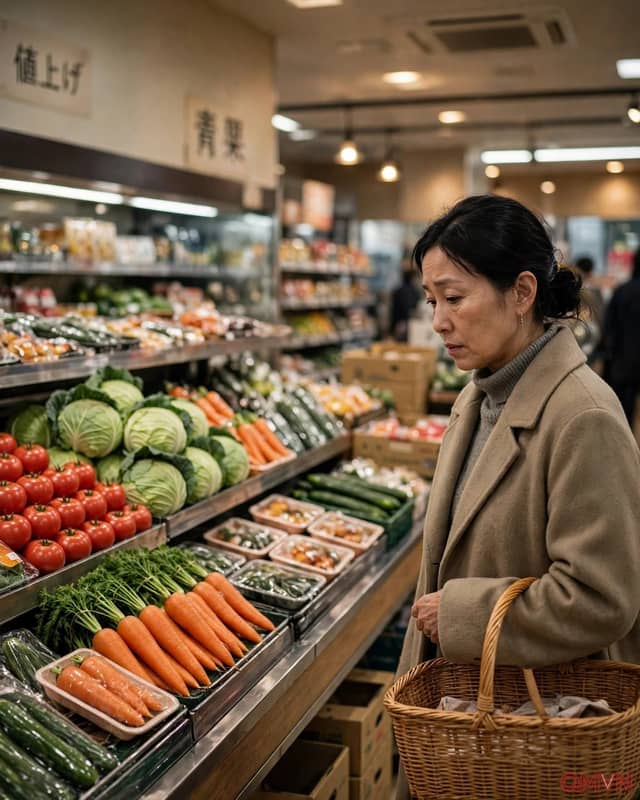
The strategic deliberations coincide with preparations to implement Takaichi's flagship fiscal reform: lowering the consumption tax on food and non-alcoholic beverages starting in April 2027. Government strategists calculate that relieving everyday grocery tax burdens will provide necessary fiscal relief, creating a viable window to unwind distortive motor fuel interventions without shocking household disposable income.
I would like the review to take into account current oil prices and the pace at which the gasoline subsidy fund is being used.
Recalibrating Winter Safety Nets and Utility Interventions
While preparing to withdraw blanket automotive fuel subsidies, Japanese economic authorities are not completely dismantling civic protections against the cost of living. The Agency for Natural Resources and Energy has initiated feasibility assessments on targeted utility measures, including re-establishing electricity and city gas subsidies that lapsed in September.
Shifting public capital from transit fuel subsidies toward home heating and winter power utilities reflects an adaptive macroeconomic strategy. By focusing state resources specifically on critical heating needs during freezing winter conditions, Tokyo aims to protect vulnerable populations while safeguarding overall fiscal health.
Japan's government has begun considering other measures to shield households from rising energy costs, including the possible re-introduction of utility subsidies.