MAIN CONTENT
Escalating Utility Bills and Voter Resentment
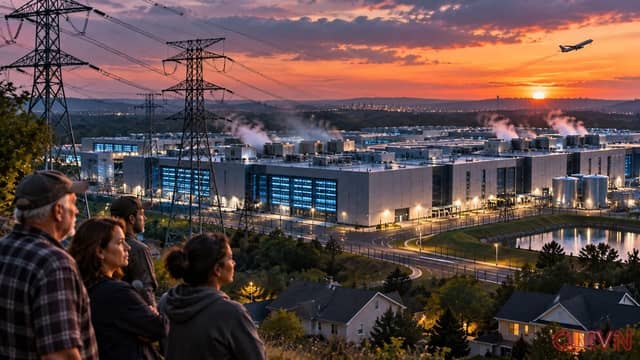
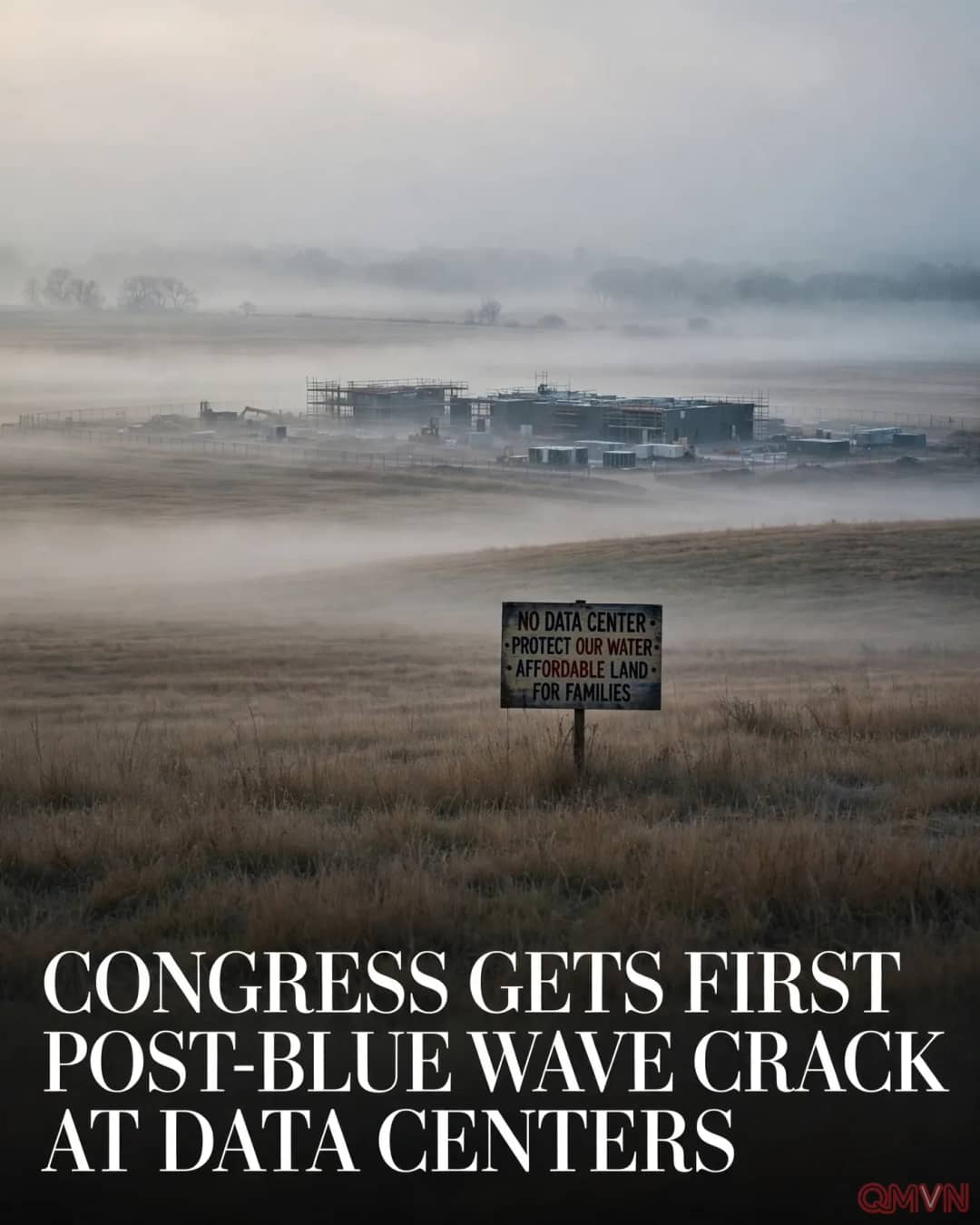
The recent midterm elections across the United States reflected a decisive and consequential shift in public sentiment, with escalating everyday household living expenses and strained electrical capacity dominating regional ballot questions. Across key states such as Kansas, Virginia, and Ohio, the rapid proliferation of massive computational hubs dedicated to artificial intelligence training has driven localized power demand to unprecedented peaks, prompting utility providers to impose aggressive rate hikes on surrounding suburban and rural communities.
This acute economic pressure transformed local zoning battles into a prominent national rallying cry on the campaign trail, fundamentally altering electoral dynamics. In response to this deepening domestic friction, the Bipartisan American Affordability and Jobs Act (BAAJA) was introduced to the Senate floor as a timely mechanism to restore fiscal fairness. The bill introduces binding statutory guardrails requiring commercial data center developers to contribute substantially toward network expansion, ensuring that corporate balance sheets bear the true capital costs of their computational growth rather than socializing systemic financial burdens onto working families.
“Democrats ran and won on affordability and data center accountability, and BAAJA will allow us to start delivering immediately on both of those election promises.” Sheldon Whitehouse