MAIN CONTENT
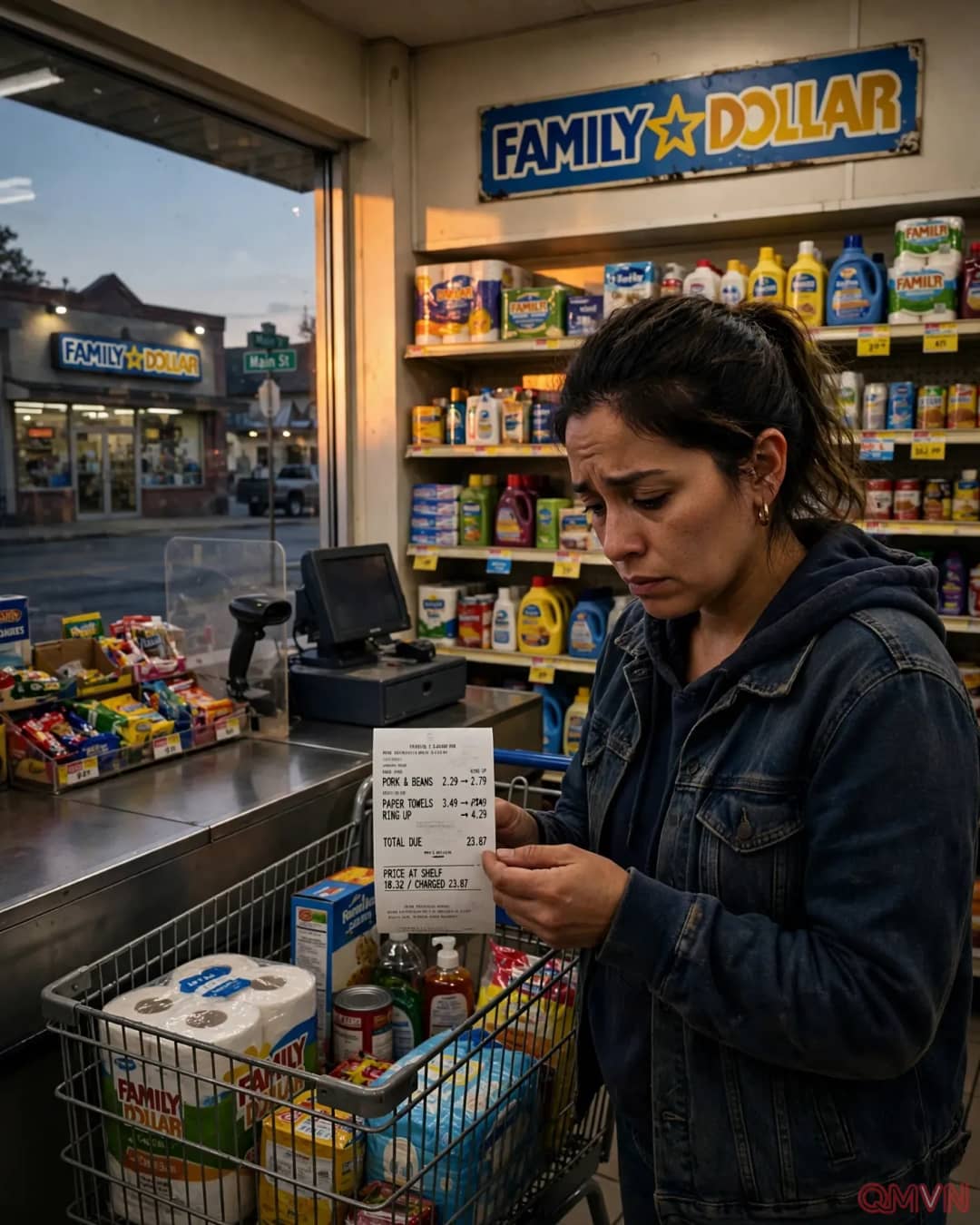
When the shelf price and the receipt disagree
The FTC's complaint alleges that price discrepancies occurred at thousands of Family Dollar stores. Shoppers allegedly paid more than was advertised on shelf labels, weekly circulars, the website and the retailer's app. These assertions remain allegations in civil proceedings, not a judicial finding that every reported discrepancy occurred or that the company admitted violating the law.
For a customer on a fixed income, even small overcharges can accumulate across basic groceries, cleaning products and personal necessities. Such discrepancies are especially hard to spot during a quick checkout with a full basket. The problem is therefore more than a faulty register: it concerns whether consumers can make meaningful choices using the information that a retailer presents.
How the $63 million is divided
The settlement establishes three distinct commitments: a $40 million fund for eligible consumers, a $20 million program of future discounts and payments exceeding $3 million to the participating states. Restitution is designed to address prior harm, discounts benefit future purchases, and state payments relate to enforcement. They should not be confused with a single cash distribution to all shoppers.