MAIN ARTICLE
The argument begins with coordination
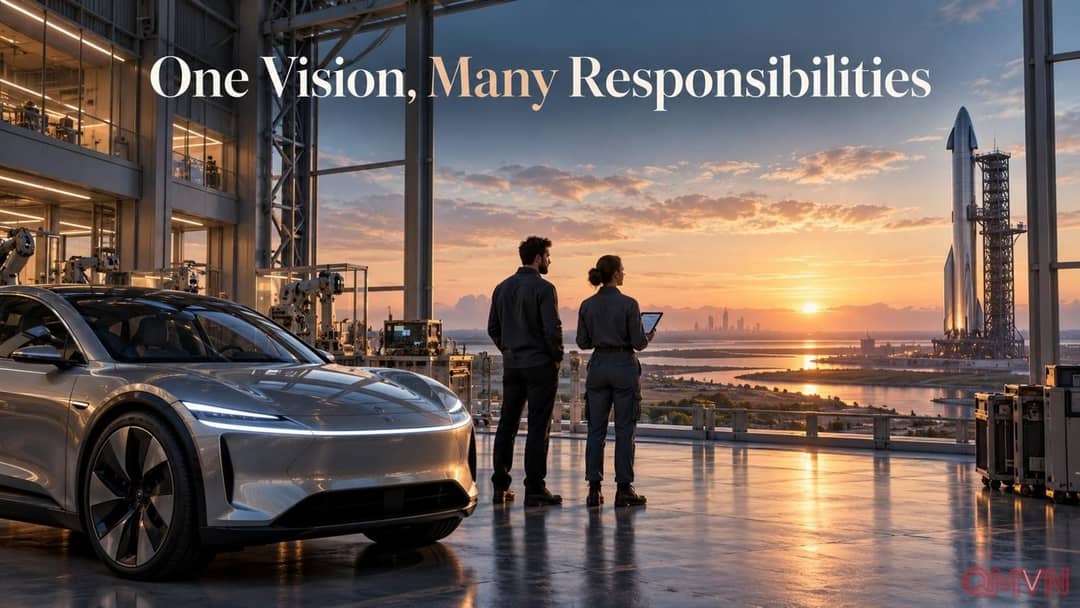
Tesla and SpaceX once appeared easier to describe as separate stories: electric vehicles on Earth and a business focused on space. Reuters explains that the boundaries have blurred as Musk expands into AI, robotics, advanced manufacturing, satellite connectivity and computing infrastructure. A merger would place those intersecting activities within a common structure. Management could potentially coordinate investment and engineering talent with fewer decisions moving between separate corporate organizations and their respective approval processes.
That organizational argument is not a measured saving already achieved. Companies can collaborate while remaining independent, so the important comparison is what shared ownership would add beyond agreements between them. Technological overlap and merger benefits are related but different ideas. A common vision may guide development, yet shareholders still need a credible explanation of implementation and accountability. The proposal becomes more persuasive when the additional value can be identified, rather than assumed from the breadth of the ambition.
A large valuation does not define each investor’s share
Reuters describes a possible combined value of approximately $3.5 trillion, placing the hypothetical business among the world’s largest. This should not be read as cash Musk would pay, a revenue forecast or a guaranteed post-merger valuation. It expresses estimated scale during the discussion. Market prices change, while the value received by individual shareholders would depend on transaction terms that the explainer does not fully set out. The headline number cannot substitute for those details.
In principle, Tesla shareholders would gain exposure to Starlink broadband, launch services and future space activities. SpaceX investors would gain exposure to Tesla’s vehicles, energy storage and automation programs. They would also acquire additional risks. Assessing their position therefore requires more than listing attractive industries. Ownership proportions, voting rights and the allocation of capital between activities would matter. Broader exposure can create opportunities without automatically being preferable for every investor or matching the reasons they originally bought shares.
Terafab illustrates opportunity and the wait ahead
Musk has announced Terafab as a semiconductor and AI-computing collaboration intended to support autonomous vehicles, Optimus robots and SpaceX’s AI and data-center ambitions. He hopes volume chip production can begin in late 2028, Reuters reported.
This is a target, not operating capacity already demonstrated. A merger analysis should not treat prospective output as an established source of earnings. Development timelines remain part of the proposition that investors would need to judge alongside technical and commercial execution.
Other possible connections include Starlink communications for autonomous systems, Tesla energy storage for power needs, and coordination in manufacturing or supply chains. These examples explain why Musk sees overlap. They do not establish that every application has been integrated or proved commercially viable. Announced collaboration, potential uses and actual results belong in separate categories. Keeping them distinct allows readers to understand the industrial logic without turning a technology roadmap into a record of achievements that has already been completed.
Governance and geopolitics remain substantial questions
Reuters says Musk owns nearly a fifth of Tesla and has voting control at SpaceX. A combination could consolidate his influence, making conflicts of interest, investment choices and shareholder rights especially important. Faster decisions would not automatically mean better decisions. Independent assessment and transparent terms are matters to examine, rather than processes that can be presumed complete. The case for flexibility in moving resources needs to be considered alongside the responsibility to explain whose interests those choices serve.
SpaceX is a major contractor to the US military, intelligence agencies and NASA, while Tesla is deeply connected to China through its Shanghai factory. Reuters identifies the possibility of heightened regulatory and national-security scrutiny. That is a risk to evaluate, not a finding that a particular authority will inevitably block a transaction. Starship, robotaxis, humanoid robots and orbital infrastructure also remain expensive, difficult undertakings. Putting them within one corporate structure would consolidate those challenges without eliminating their technical or execution risks.
The groundwork before Musk’s latest endorsement
Musk’s businesses intersected before Tuesday’s remarks, including in manufacturing, energy and chip ambitions. A separate Reuters update on October 21 said committees were considering a combination but had not agreed terms, while Musk stressed that a deal was not certain. This places the idea at its proper stage: organizational steps are being taken to examine it, but no final outcome has been reached. Existing cooperation helps explain where the proposal comes from. A decision to merge would still need to show its own additional benefits, rather than using collaboration itself as proof that common ownership is necessary.