Stepping into a hot market
Warby Parker's glasses are broadly similar to the Meta models made by EssilorLuxottica, the maker of Ray-Ban and Oakley. Users can ask Gemini for directions, translations and many other tasks without taking out their phones. According to Omdia, global AI glasses shipments more than doubled in the first half of 2026 from a year earlier, though growth has slowed since the second half of last year.
Warby Parker is not alone: luxury group Kering is also preparing to launch glasses with Google, showing that the race to challenge Meta is heating up. Warby Parker executives expect the new line to add several percentage points to fourth-quarter revenue growth, and TD Cowen analysts called smart glasses an increasingly important growth driver while the core optical market remains soft.
Privacy placed front and centre
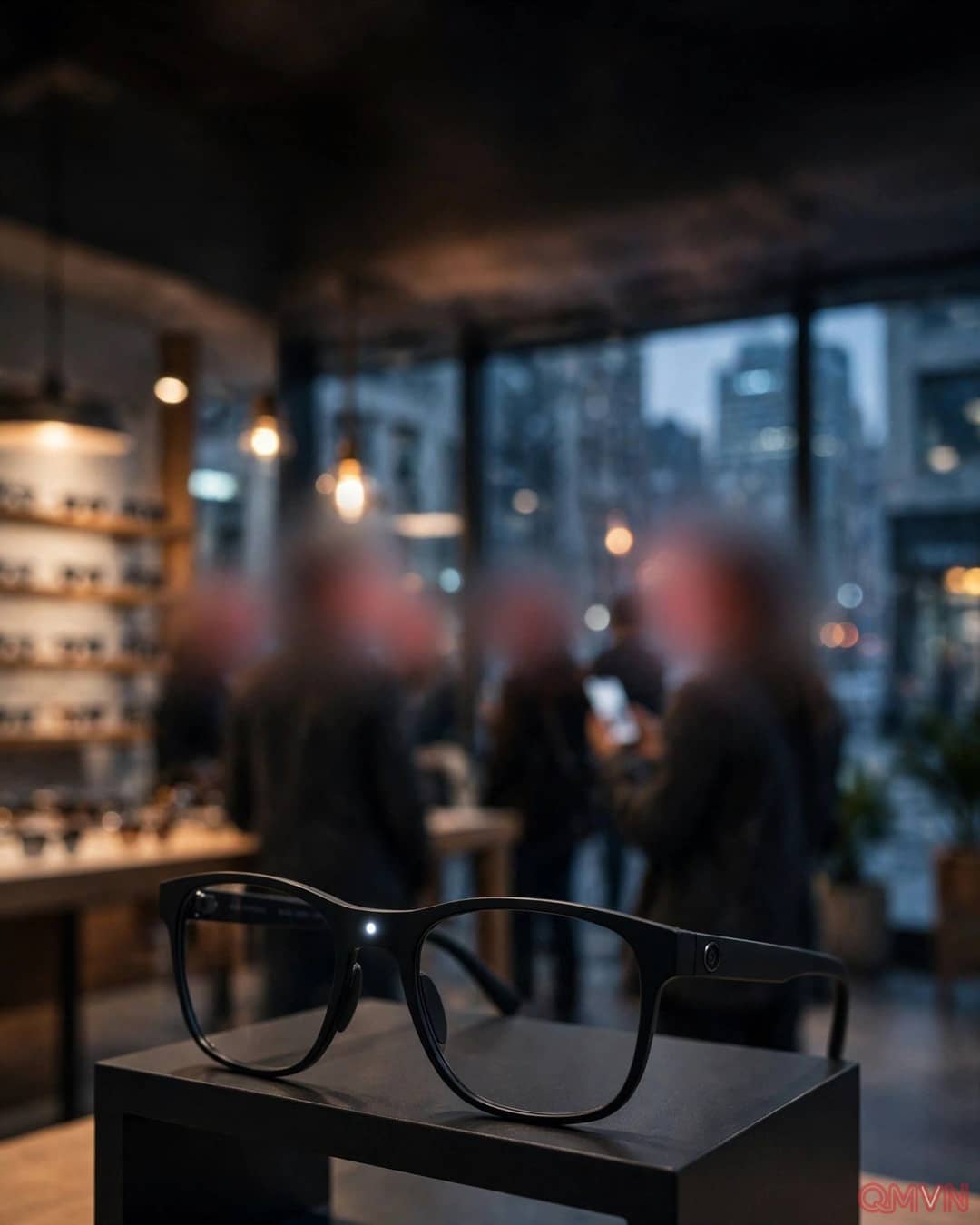
According to Co-CEO Neil Blumenthal, the biggest difference from existing products is a privacy framework designed in from the outset. Google will not use visuals captured with the glasses to train its AI, the glasses will bar facial recognition of bystanders, and a small white light on the front turns on automatically when a user starts recording video.