MAIN CONTENT
A relocation under an unusual security cloud
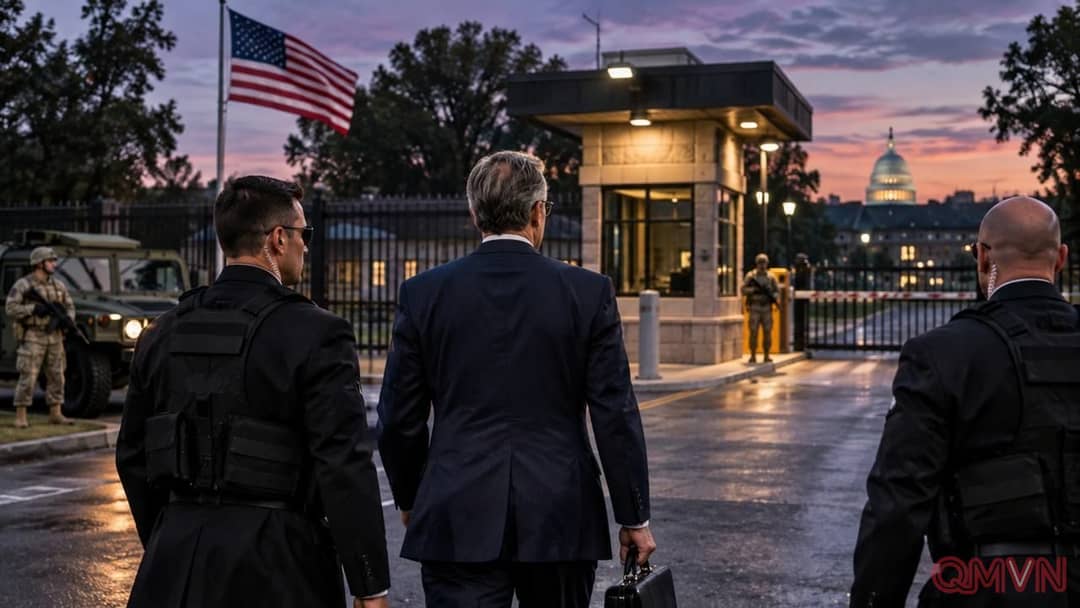
The New York Times first reported that Bessent had recently left his home in the Washington region for a military installation. Reuters carried the account on November 10, while The Wall Street Journal subsequently quoted a person familiar with the move as linking it to threats believed to involve Iran. None of those reports disclosed the installation, the expected duration of the arrangement or operational security procedures. Those omissions are material: publishing locations and routines could create additional risks.
Associated Press cited a person familiar with the situation who said concerns were also aggravated by published information that might have helped identify the secretary’s private address. Its reporting highlights why the decision should not be reduced to one conclusively established scenario. Different accounts converge on the relocation and the existence of security concerns, not necessarily on the precise credibility, source or mechanism of every reported threat.
Why a finance minister is central to a geopolitical conflict
The Treasury secretary commands no battlefield units, yet the decisions overseen by his department can reshape financial relationships across borders. On August 24, the Treasury announced Operation Economic Outcast, a drive to constrain what Washington describes as Iran’s sanctions-evasion networks, trade routes and international financing.