MAIN CONTENT
Seoul’s fear of being left outside
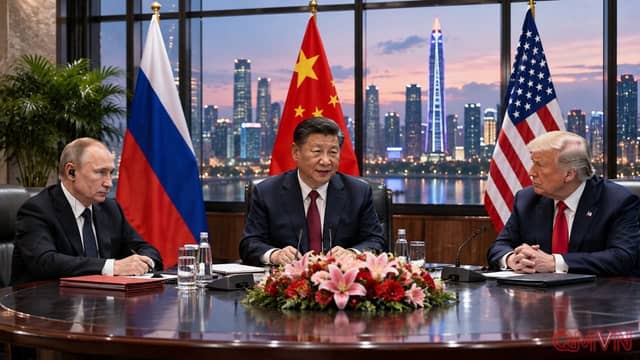
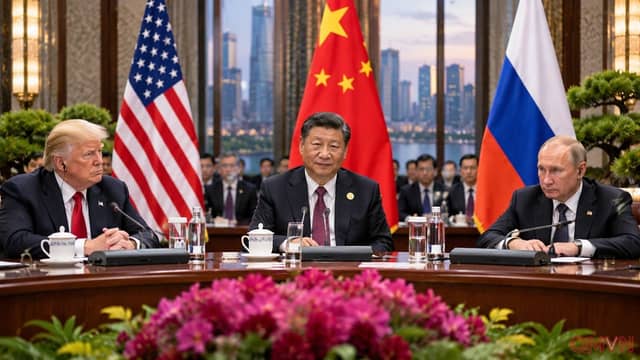
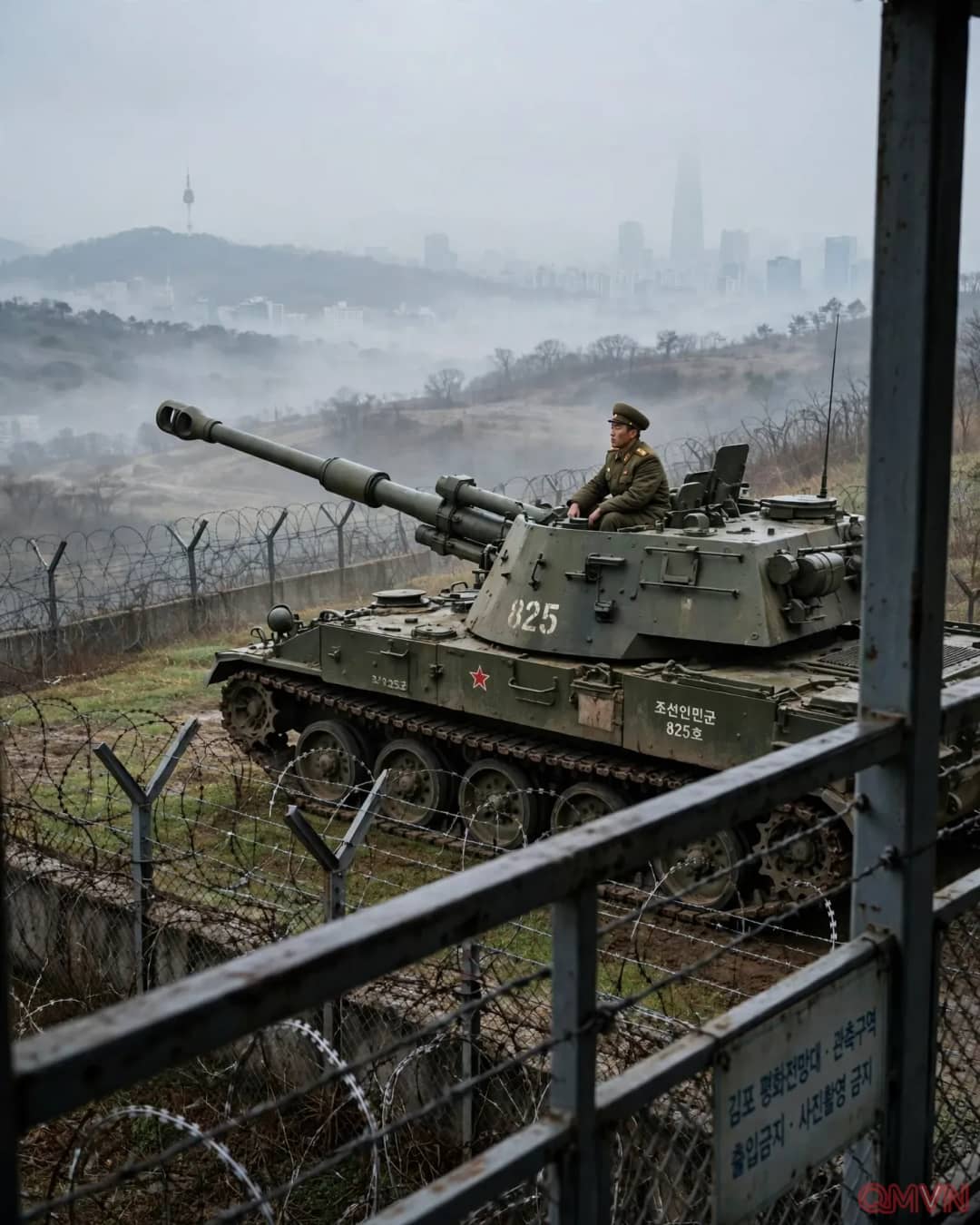
On November 16, South Korea’s foreign ministry expressed hope that the meeting would advance peace on the peninsula and fully reflect Seoul’s position. First Vice Foreign Minister Park Yoon-joo had already told lawmakers that his government was closely monitoring the possibility of peninsula issues being raised. Seoul is not objecting to dialogue itself. Its concern is that decisions influencing its defense and diplomatic options could take shape without its direct participation.
References to “another Yalta” evoke the 1945 conference at which major powers made decisions with lasting consequences for smaller countries. It is a warning about unequal influence, not evidence that Washington, Beijing and Moscow have agreed to divide Asia into spheres of control. South Korea faces the delicate task of demanding meaningful consultation while preserving the opportunity that high-level talks might provide.
An editorial carried by Korea JoongAng Daily urged leaders not to trade away South Korean security or the objective of denuclearization. Yet another consideration matters: more reliable communication among nuclear powers can lower the risk of miscalculation. A discussion need not produce an unfair bargain, but the possibility deserves sustained scrutiny.