MAIN CONTENT
A computing campus built around its energy supply
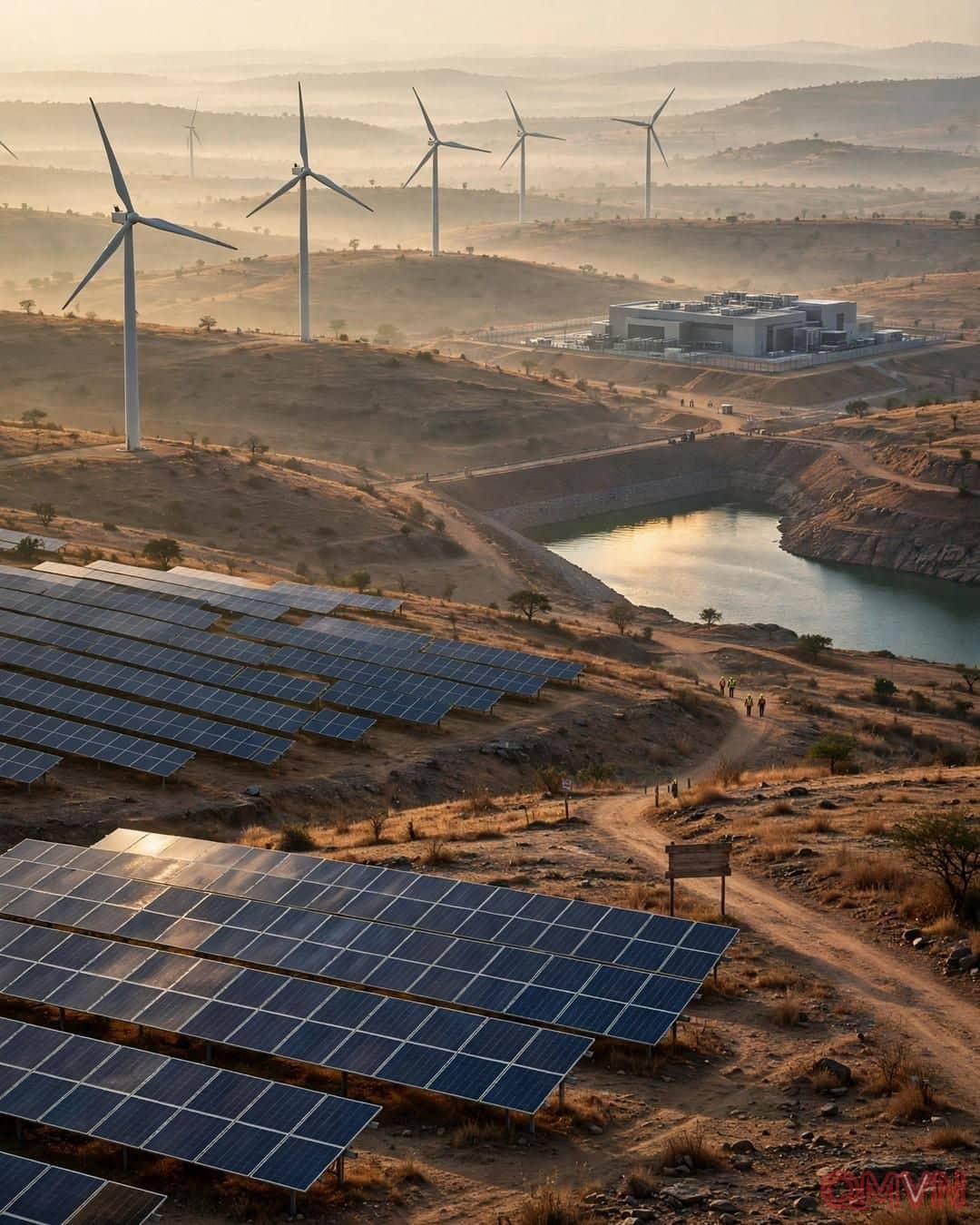
Under the memorandum with Andhra Pradesh, CleanMax plans a portfolio of wind and solar projects capable of producing three gigawatts at peak output, complemented by one gigawatt of pumped-hydro storage capacity. The company aims to develop at least 1.5 gigawatts of renewable generation by 2029, with the wider investment scheduled across five years. Those numbers describe planned capacity, not electricity already flowing to computers.
The planned computing centre is associated with Neysa, an AI cloud company backed by Blackstone. Neysa is expected to provide a one-gigawatt anchor load for a larger two-gigawatt campus. CleanMax’s assignment extends from generation to storage and distribution, a design that treats electric power as part of the computing infrastructure rather than a separate utility purchase. Reuters reported the investment at roughly $5.34 billion using the exchange rate available on the announcement date.
Why round-the-clock clean power is difficult
AI computing systems operate well beyond daylight hours. Solar electricity falls after sunset; wind output changes with weather; processors and cooling systems still need continuous service.