MAIN CONTENT
A stronger brake on expenditure
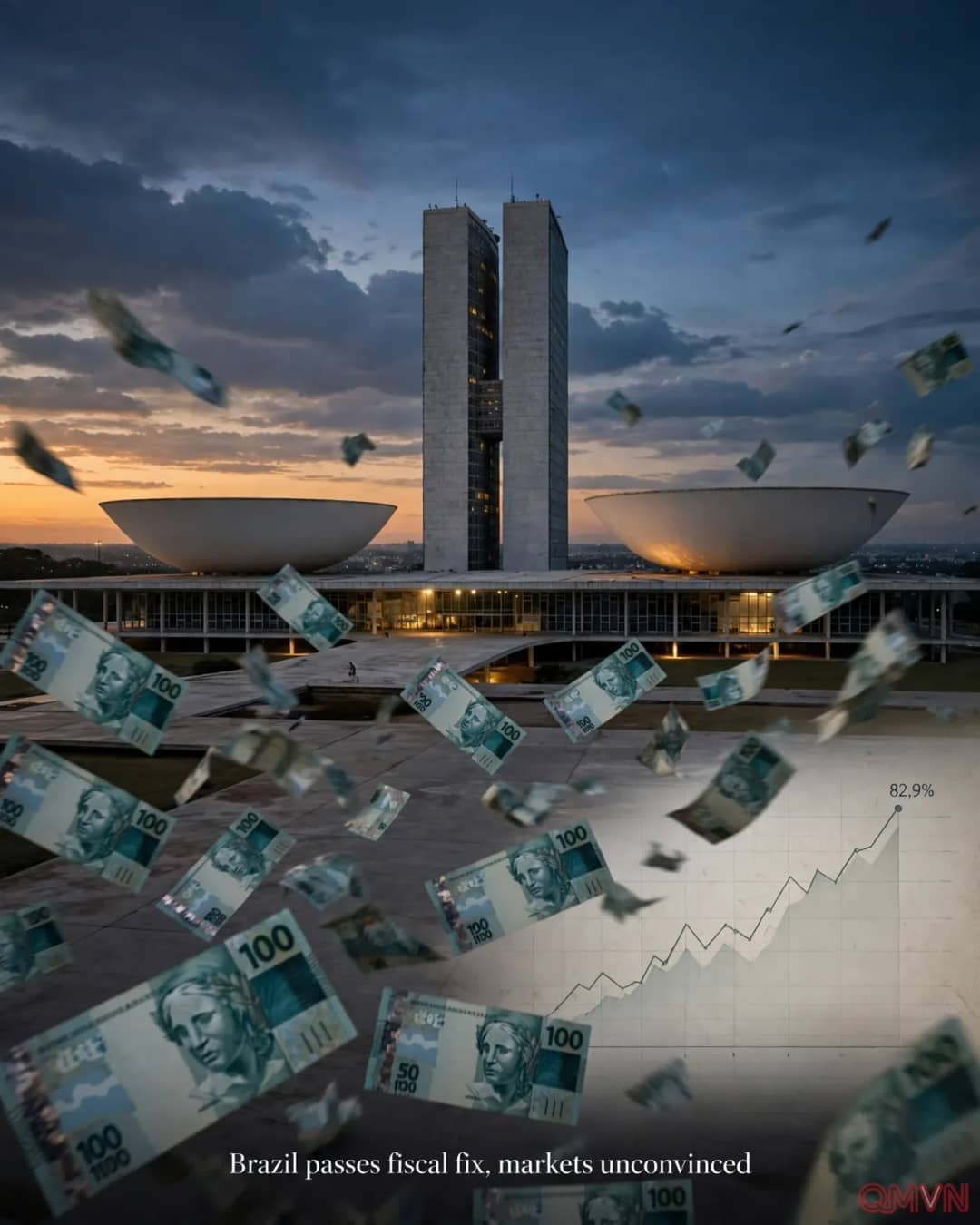
The package expands the government's ability to freeze appropriations when budget objectives are threatened. According to Reuters on November 24, it effectively limits annual expenditure growth to 2% in the relevant circumstances. It also narrows tax concessions and restricts the use of tax credits, addressing the revenue side of the budget rather than relying exclusively on expenditure cuts.
These mechanisms are designed to help the economic team reach a primary surplus of 0.5% of gross domestic product in 2027. A primary surplus means that revenue exceeds non-interest expenditure. It is an important measure of fiscal effort, but it does not include the cost of servicing existing debt. The projected improvement of 60 billion reais is therefore neither a guaranteed saving nor a promise that total borrowing will decline by the same amount. Its realization depends on the economic environment and how the new instruments are used.
Why the currency tells a different story
Reuters reported that the real had depreciated by about 19% since Lula's reelection in late October and that gross debt had climbed by more than 11 percentage points of GDP since he took office in 2023. Investors remain concerned that the approved measures will not be enough to change the direction of debt.