MAIN CONTENT
A gold card and an invitation to negotiate
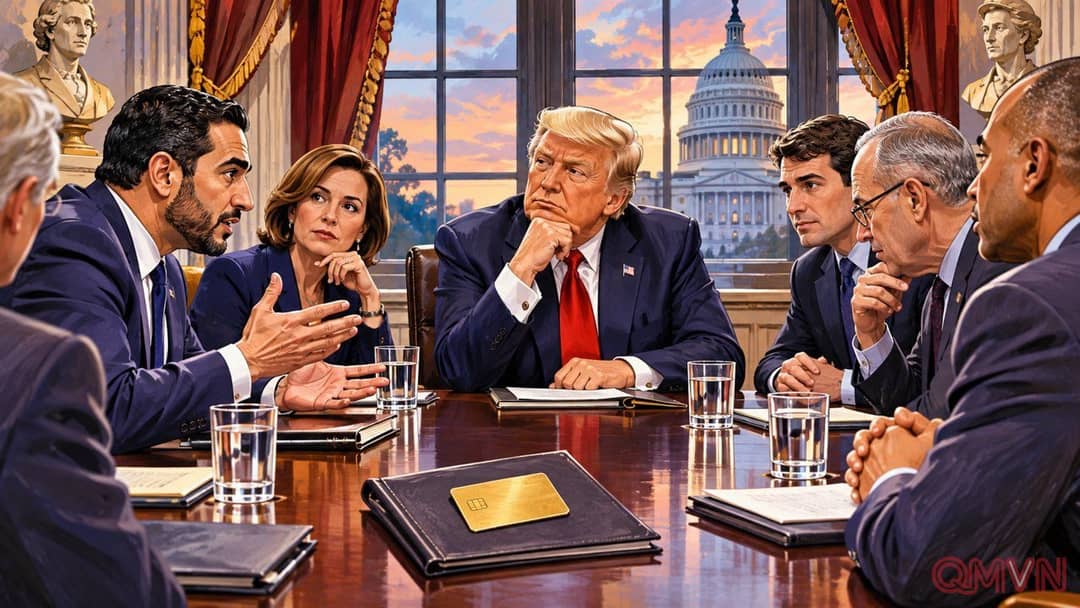
The most conspicuous pitch comes from Abdul El-Sayed, the newly elected senator from Michigan. His mock gold insurance card puts the president’s name above the smaller phrase “Medicare for All.” It is a political proposal, not an enacted scheme or a health plan with bipartisan agreement. Its invitation to the White House is plain: a sweeping expansion of coverage might carry the name of the president who signs it.
James Talarico, the Texas senator-elect, makes a historical appeal. He points to Lyndon B. Johnson, remembered for major civil rights and social programs, and suggests that Donald Trump could similarly earn enduring plaques, portraits and busts by helping Congress deliver tangible reforms. The argument uses personal legacy as an incentive for public policy, rather than pretending ideological differences have vanished.
House Democratic leader Hakeem Jeffries has likewise left room for cross-party cooperation when it serves the public. Yet the offer has firm limits: he sharply rejects Stephen Miller, Trump’s choice for White House chief of staff. An opening for negotiation, therefore, should not be mistaken for an agreement on the broader direction of government.