MAIN CONTENT
An imported case puts Nairobi on high alert
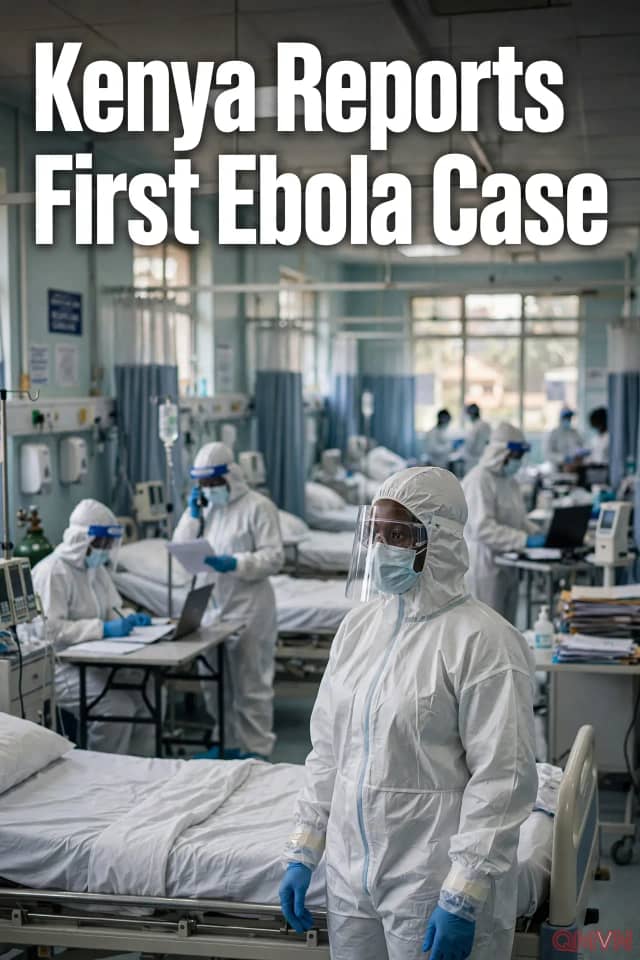
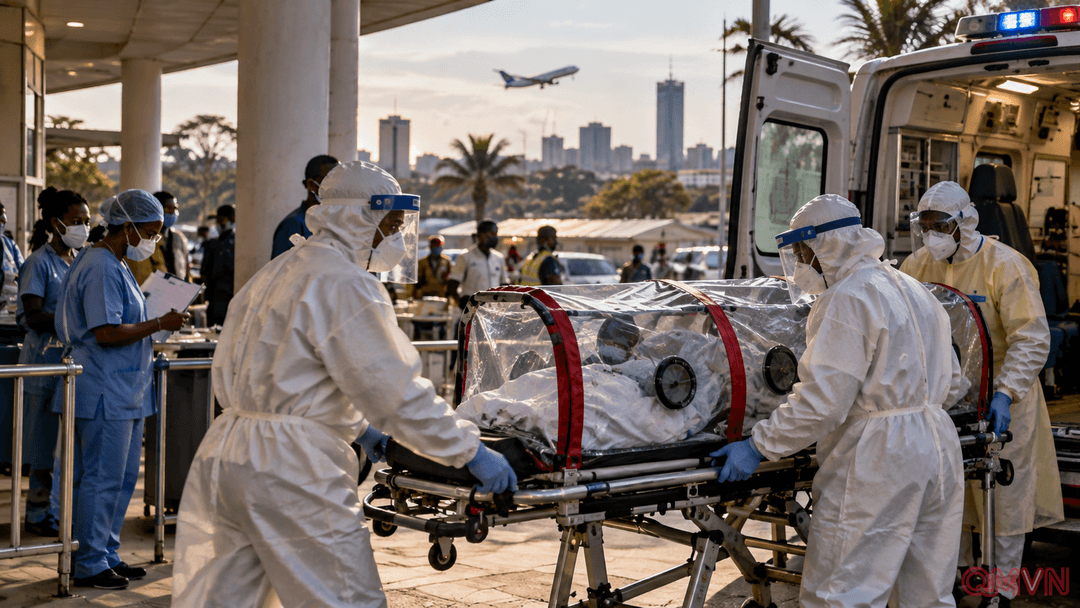
Health Cabinet Secretary Aden Duale said the patient was a Kenyan citizen who had lived in the Democratic Republic of Congo for several years before reaching Nairobi over the weekend. AP reported that the patient travelled through Uganda and was isolated and treated at Nairobi Hospital after showing symptoms consistent with viral haemorrhagic fever. The patient later died. Kenyan authorities immediately began contact tracing and identified 28 initial contacts, including family members and healthcare workers who had cared for the patient.
The crucial issue is not only how many contacts have already been listed, but how quickly the full chain can be reconstructed, monitored and protected. Ebola is not spread through the air in the way influenza or COVID-19 can be; its main route is direct contact with blood or other body fluids of an infected person, including after death. That makes infection prevention, protective equipment, safe sampling, isolation and dignified burial protocols central to containment.
Congo’s Bundibugyo outbreak has crossed historic thresholds
The current epidemic began in the Democratic Republic of Congo and is caused by Bundibugyo virus, a rarer Ebola species than Zaire ebolavirus. WHO confirmed outbreaks in Congo and Uganda in mid-May and on May 17 declared the situation a public health emergency of international concern.