MAIN CONTENT
The productivity promise meets today’s costs
New software, advanced computing and autonomous AI tools could help companies produce more with fewer hours of routine work. In theory, stronger productivity could allow wages and output to rise without sustained inflation. Warsh has previously emphasized this possibility, but the question for the Fed is timing: efficiency gains may take years to appear in national statistics, while the capital spending needed to build the technology is immediate. According to the Reuters report of November 13, companies are committing historic sums to data centers and computing infrastructure even as central bankers debate how much of that spending is already lifting demand and prices.
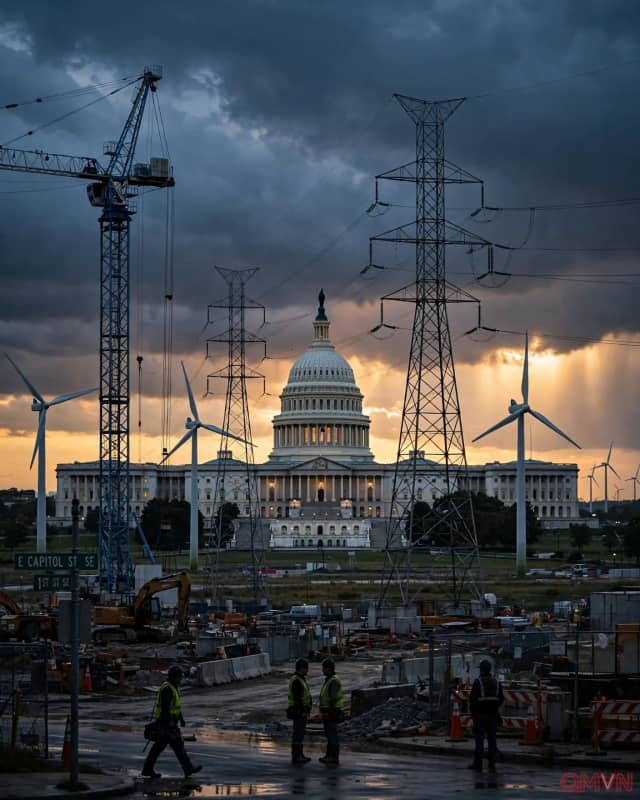
Building out AI capacity consumes electricity, land, equipment and skilled construction labor. Where supply cannot expand quickly, costs may rise before automated services bring savings. An interest-rate policy based solely on future efficiency could therefore misread present inflation. Conversely, tightening too aggressively against a temporary building boom could curb useful investment. For the Fed, the practical challenge is to separate a lasting productivity improvement from a short-run surge in spending, rather than assume either outcome in advance.