MAIN CONTENT
Diplomacy before conclusions
Singapore's digital development ministry said Teo and Landau discussed the facts and reaffirmed their willingness to keep communicating on matters involving Megaspeed. The public statement signals consultation rather than a joint verdict. For Washington, access to advanced computing is increasingly viewed through a national-security lens; for Singapore, preserving the credibility of its international business environment is equally important. Neither objective automatically resolves what happened to particular servers or who controlled them after shipment.
The exchanges also reveal the limits of diplomatic language. Officials have not announced a settlement, a completed cross-border investigation or a timetable for a final decision. In a case involving companies, intermediaries and several jurisdictions, continued contact is useful precisely because the underlying evidence may sit in different places. Cooperation can narrow those gaps, but it does not replace the legal tests each government must apply independently.
The unanswered question of chip destinations
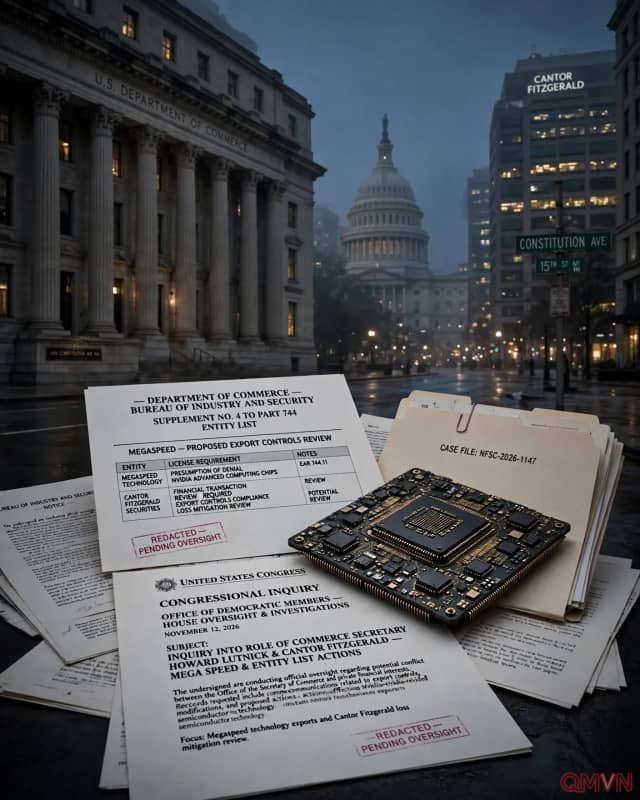
The controversy centres on whether powerful computing equipment subject to US export rules was ultimately made available to customers in China. A 2025 report in The New York Times described US scrutiny of Megaspeed. The company has not been found to have violated the rules, while Beijing has rejected the accusations. Megaspeed says it operates a legitimate, lawful business. These positions matter because suspicion about a supply chain and a proven breach are not the same thing.