MAIN ARTICLE
Why commercial ties no longer guarantee trust
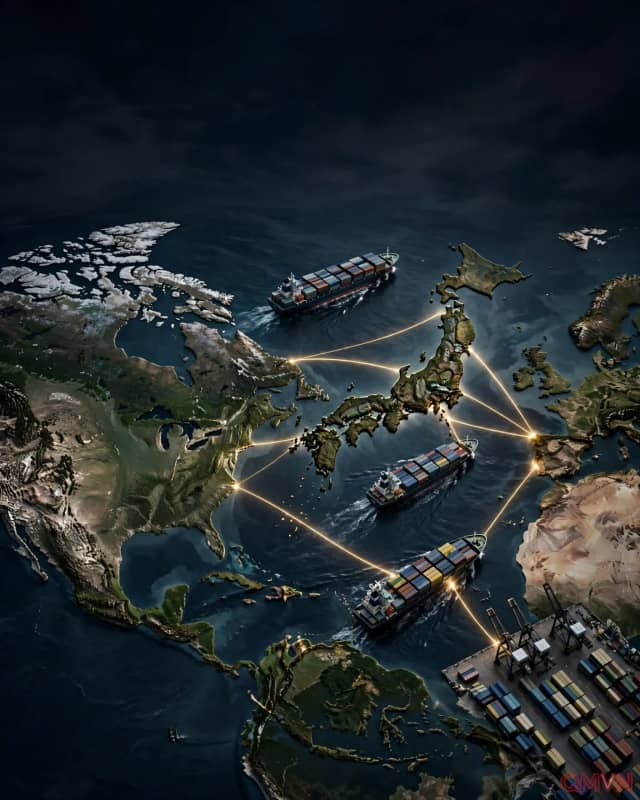
The assumption that large trade flows naturally diminish geopolitical tensions is undergoing a difficult test in East Asia. Japanese manufacturers sell products and operate across China, while factories in both countries exchange parts, equipment and materials. Yet a profitable production network can stall when export licences tighten or a diplomatic dispute reaches the factory floor.
Japan’s Foreign Ministry reports that bilateral trade totaled about 44.2 trillion yen in 2024, up 4.7% from a year earlier. These figures illustrate continuing interdependence rather than a comprehensive separation. They also show why a sudden disruption could impose substantial costs.
Writing in The Japan Times, analyst Stephen R. Nagy uses the concept of “weaponized interdependence” to describe the dilemma. It is an analytical argument, not evidence that trade must inevitably produce confrontation.
Rare earths expose the industrial fault line
Rare earth supplies offer a concrete example of concentration risk. Reuters reported that Chinese export curbs had sharply restricted shipments of certain heavy rare earth elements to Japan in 2026.