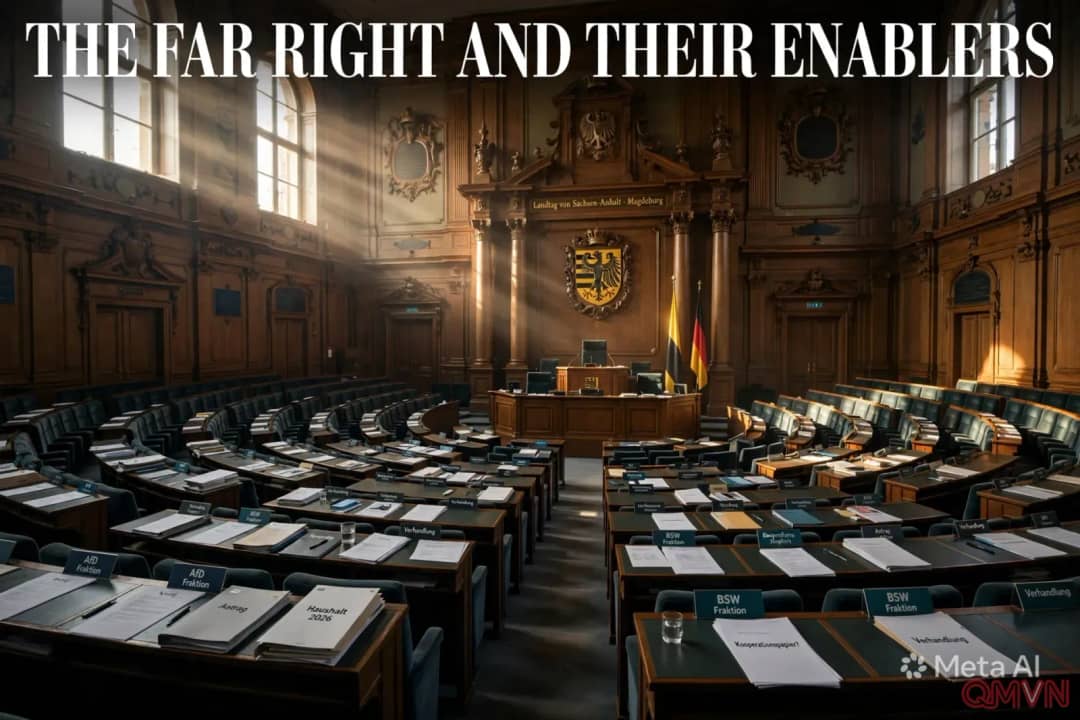
The first session of an unusual parliament
Almost all of the elected AfD members won their seats directly in constituencies, showing the party’s dominant support across much of the state. With 43.8% of the party-list vote, the AfD is the largest force but still three seats short of an absolute majority, which is why talks have been under way since the election.
Ulrich Siegmund, the AfD’s lead candidate, aims to be elected premier in December. If he succeeds, it would be the first time since 1945 that a far-right politician heads a German state government. Siegmund first drew national attention for attending a meeting in Potsdam on “remigration,” which critics described as a plan for mass deportations.
Bargaining over the speaker’s chair
A pivotal role now falls to the BSW, which could help the AfD clear the majority threshold in some votes. Notable points include:
- The AfD has 39 members, three short of an absolute majority.
- The BSW has five members and has announced it will vote to elect the AfD’s Tobias Rausch as speaker of the state parliament.
- BSW leaders say they are open to issue-by-issue cooperation with the AfD, for example on sanctions against Russia, and describe talks as constructive.