Support without enthusiasm
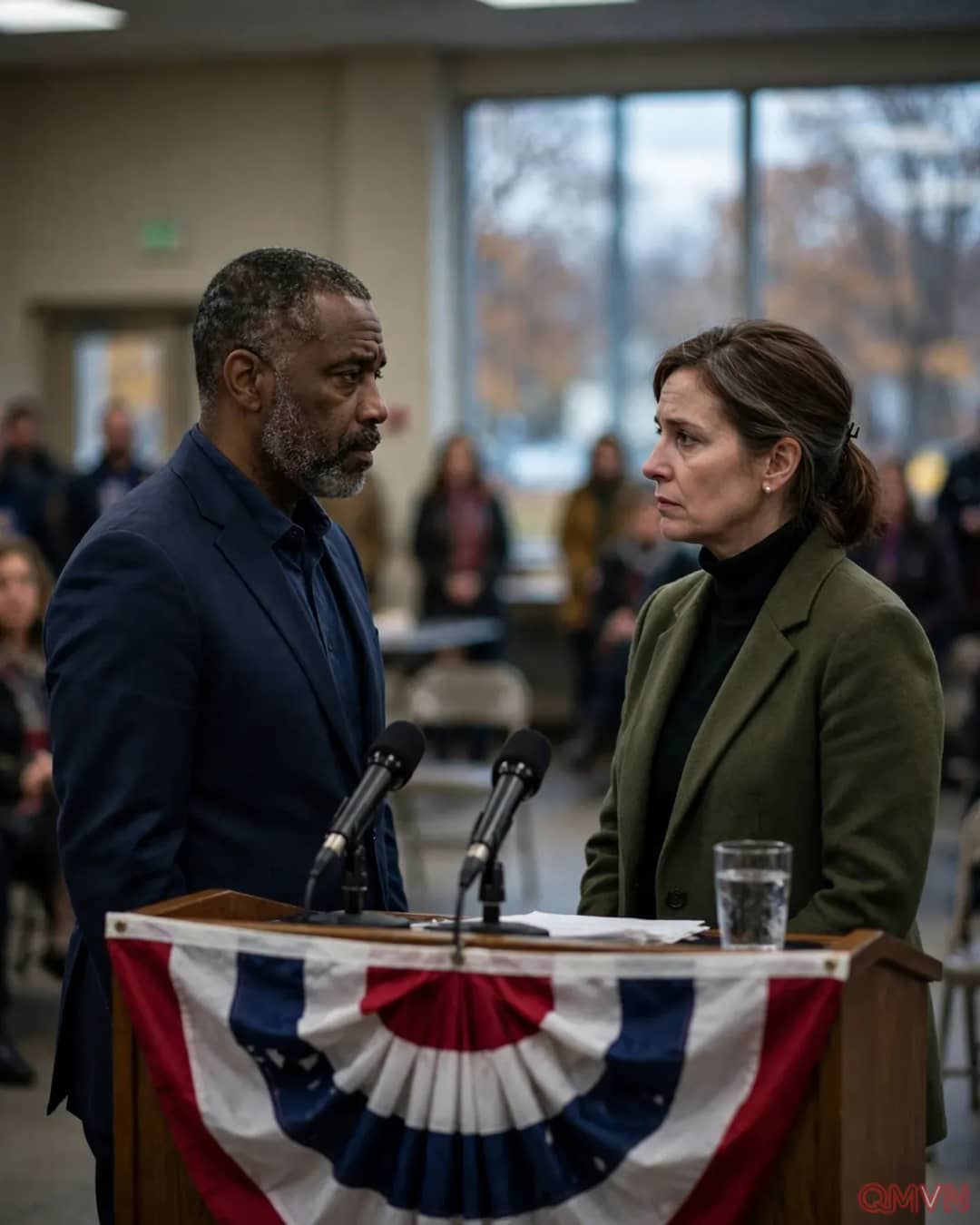
According to The New York Times, in a CNN interview on the evening of October 28, Stevens reiterated that she would vote for the Democratic nominee, but called on El-Sayed to denounce an ad from an outside group that she said amounted to “fear-mongering about Israel,” and to take down an ad from his own campaign featuring commentator Tucker Carlson.
“Of course, I'm voting for our Democratic nominee for Senate.” — Haley Stevens
Still, she told the newspaper by text that she would not campaign with El-Sayed in the final week. On October 25, she also said on CNN that she did not agree with everything that had happened, questioned his efforts to reach Black voters and suggested he was too focused on foreign policy. She described her family as “a household divided,” after her fiancé Jason Turkish, a Jewish Democrat, publicly backed Rogers.
Israel, a dividing line
Israel is at the heart of the dispute. Stevens, a staunch supporter of Israel, said she is representing Jewish Michiganders who backed her and are angry about advertising they view as antisemitic. The campaign of El-Sayed, a vocal critic of Israel's government, said it was not affiliated in any way with the ad in question.
Turkish said he was frustrated that El-Sayed declined to answer a question at an October debate about whether Iran or Israel was the greater threat to the United States. During the primary, El-Sayed attacked Stevens over support she received from the American Israel Public Affairs Committee (AIPAC); the lobbying group is now backing Rogers.
El-Sayed's response
Speaking to reporters, El-Sayed dismissed concerns about Stevens's fiancé backing his opponent over Israel policy. He said he was building a movement to confront the challenges posed by President Donald Trump's administration.
“If folks have issues that are more important to them than that, that's fine — that's their choice.” — Abdul El-Sayed
His campaign said it remains in frequent contact with Stevens, that she campaigned for him at an event in Oakland County in mid-October, and that several of her former staff members joined his team. Spokeswoman Roxie Richner said the campaign was grateful for Stevens's “immediate and sustained support.”
A tight race that could decide the Senate
Michigan is a traditional battleground state where Republicans have not won a Senate race since 1994. The seat at stake is open because Democratic Senator Gary Peters is retiring. Recent polls show El-Sayed slightly ahead, though the margin varies by survey:
- RealClearPolitics average: El-Sayed 48.8%, Rogers 46%.
- Mitchell Research poll for CBS Detroit (October 26–27): 51% to 44%.
- Glengariff poll for The Detroit News (October 19–22): 51% to 45%.
- Marist poll (October 15–18) of likely voters: 50% to 48%, within the margin of error.
In such a contest, every group of voters matters. El-Sayed is working to ease tensions between Black and Arab American voters in the Detroit area while persuading Jewish voters who remain undecided.
The challenge of unity
It is rare for a primary loser to publicly criticize the winner this close to an election, though not unique this year: in Texas, Republican Senator John Cornyn has repeatedly needled Ken Paxton, who beat him in the May primary. Democratic consultant Lonnie Scott said Stevens's comments were “not helpful,” but that El-Sayed should also be doing more outreach.
Representative Debbie Dingell, who stayed neutral in the primary, came to Stevens's defense. These contrasting views show that Michigan Democrats remain more divided than party leaders had hoped, and the November 3 result will test their ability to come together.