MAIN ARTICLE
Two competing ideas of Israel
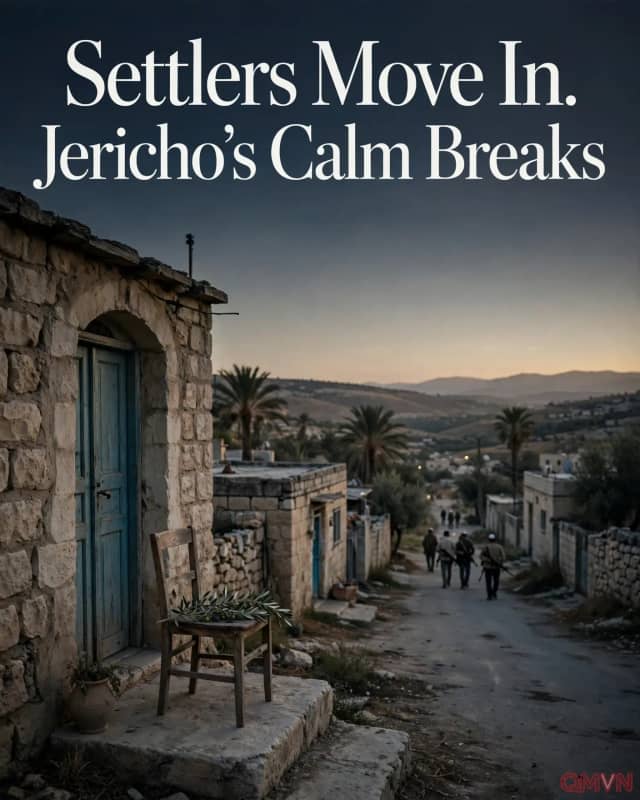
From his West Bank settlement, Religious Zionism lawmaker Simcha Rothman presents Israeli control of the territory as a nonnegotiable matter of history, religious belonging and security. He opposes Palestinian statehood and advocates extending Israeli law there. This position raises more than a debate about boundaries. It raises the question of what democracy means when one state governs a territory with millions of Palestinians who lack equivalent political rights in that state.
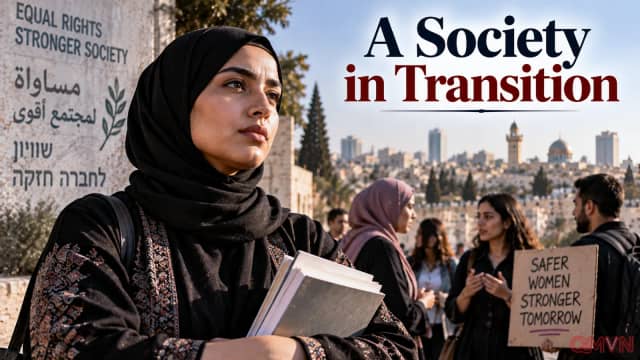
Yoav Segalovitz, a former senior police officer and centrist Jewish Zionist, has taken an unusual course by standing on the candidate list of Raam, a party representing a section of Israel’s Arab citizens. He argues that cooperation across ethnic and religious boundaries can preserve both the country’s Jewish identity and democratic commitments. His move is controversial precisely because opposition politicians themselves disagree about Palestine, citizenship and the limits of coalition compromise.
Neither politician speaks for all Israelis. Yet their choices dramatize a genuine crossroads: deeper attachment to a territorial-national identity, or a political settlement built on cooperation among communities. Neither offers instant relief from wartime trauma. Both must ultimately be judged by their capacity to protect people, uphold rights and govern responsibly.