MAIN CONTENT
When connectivity shapes an interception
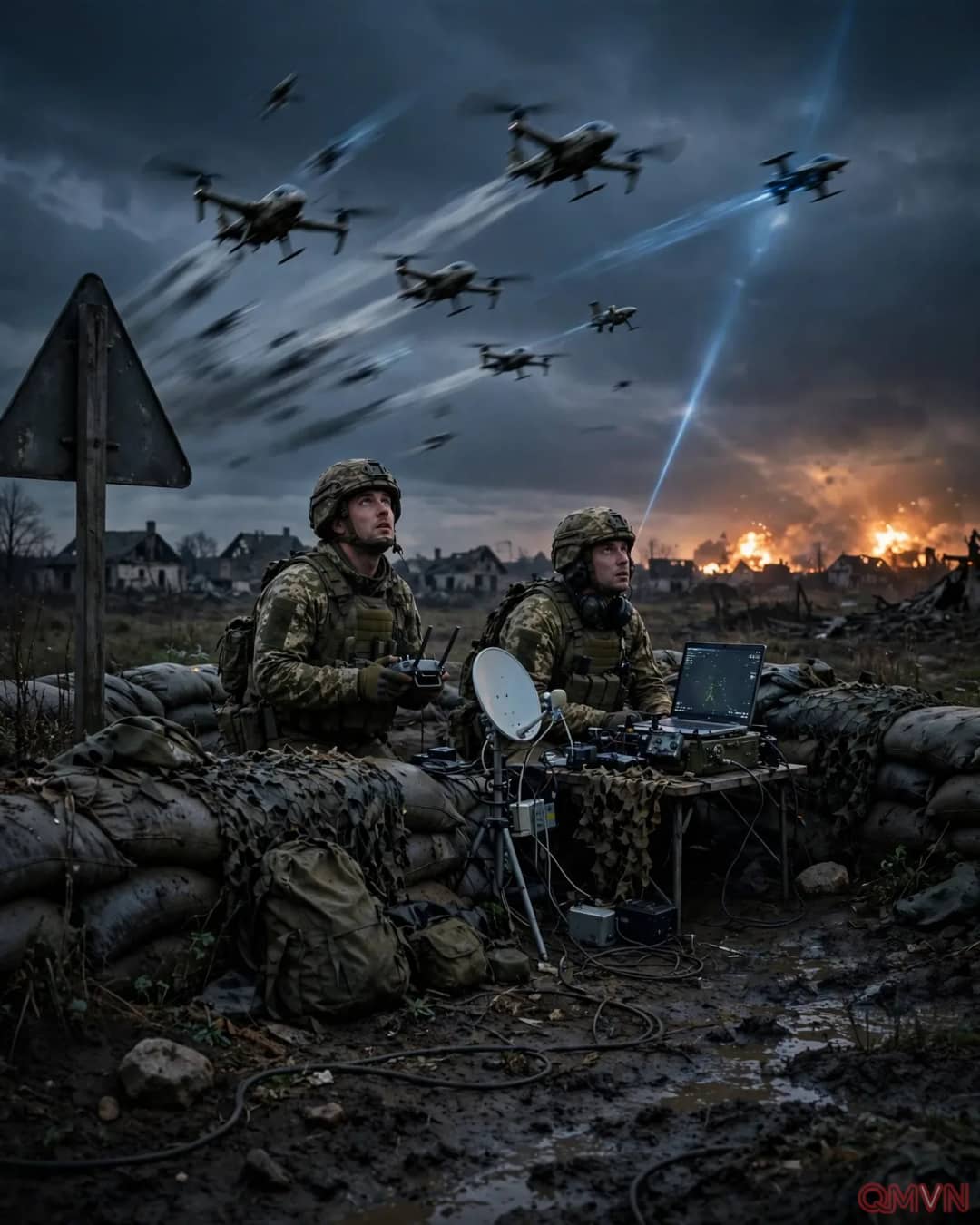
In his November 13 evening address, Zelenskiy said speed limitations remained active across the front and Ukrainian territory under Russian occupation. He argued that the constraints undermine efforts to intercept jet-powered attack drones and counter other unmanned aircraft. These are claims by Ukraine's government; they do not establish that every unsuccessful interception resulted from a Starshield problem.
A central technical distinction matters. The roughly 160–161 km/h threshold concerns how fast a vehicle or aircraft carrying a satellite terminal can travel while maintaining service. It is not a cap on internet bandwidth. When a fast-moving interceptor exceeds that operating threshold, lost connectivity may impair remote guidance, timely updates or coordination. The precise consequences depend on each aircraft's equipment, mission and fallback communications arrangements.
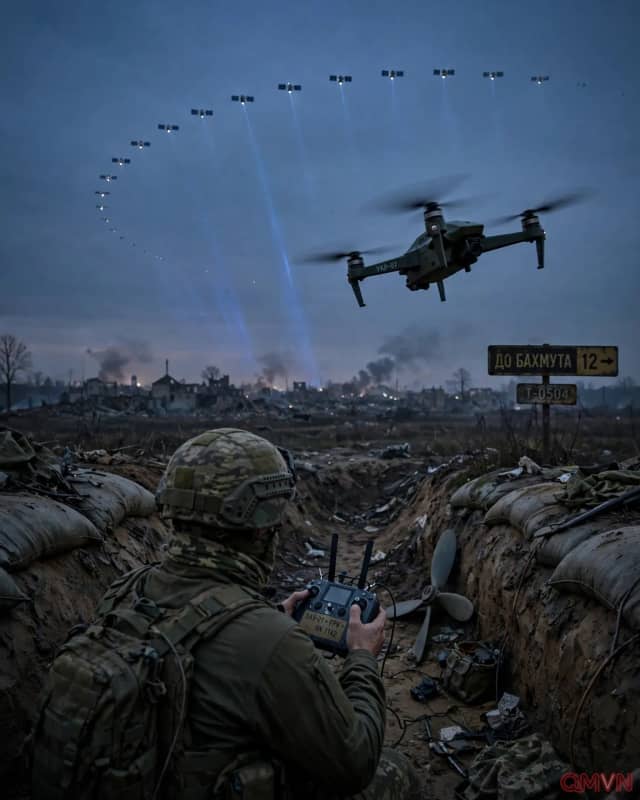
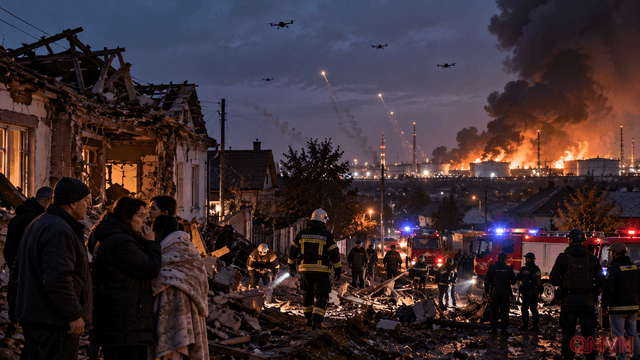
In air defense, minutes and sometimes seconds determine outcomes. An unreliable communications link can force operators to redesign a mission, accept less effective flight profiles or rely on alternative systems. As Russian drone attacks continue, Kyiv has framed dependable communications as more than a procurement issue: it is an element of protecting communities exposed to recurring strikes.