Ancient volcanic towers await a final signature
The Senate approved the Chiricahua National Park Act by unanimous consent on September 30, after the House passed the measure by voice vote in March. As the Associated Press reported on October 8, the bill was awaiting President Donald Trump’s signature. It is therefore premature to describe Chiricahua as an established national park. If enacted, the designation would make it the country’s 64th and the first addition to the national-park roster since New River Gorge in West Virginia in 2021.
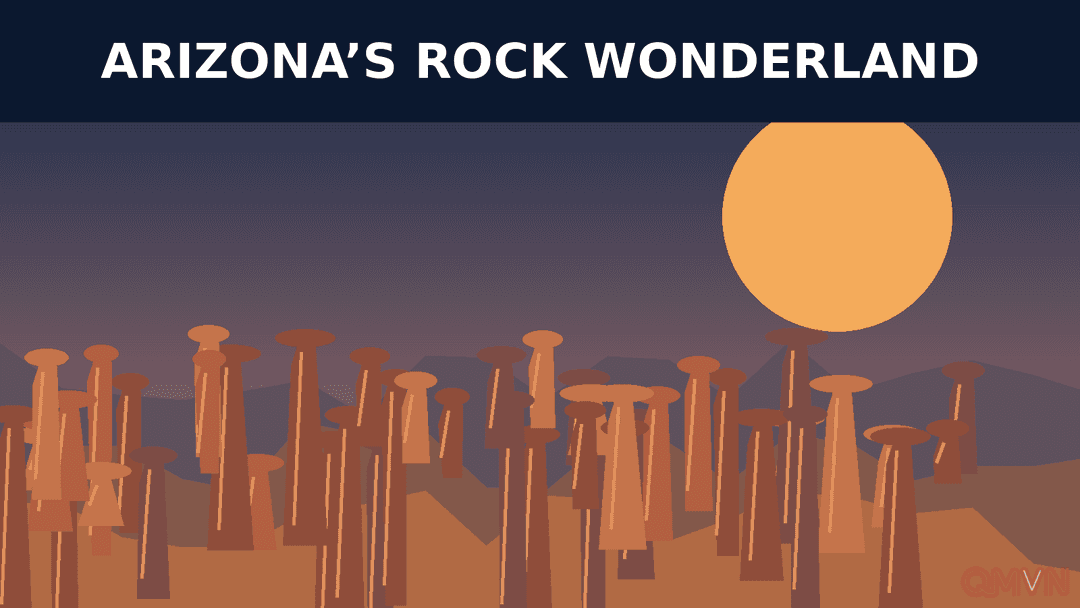
President Calvin Coolidge first protected the site as a national monument in 1924, and President Franklin D. Roosevelt expanded it in 1938. The National Park Service traces its extraordinary forms to a volcanic eruption around 27 million years ago. Layers of ash hardened into rhyolite tuff, which erosion slowly shaped into narrow columns, pinnacles and improbable balancing rocks. Early settlers referred to the place as a “Wonderland of Rocks,” a description that captures only one part of its significance.
Tourism prospects meet budget realities
The monument receives roughly 60,000 visitors annually, according to AP. A higher-profile designation could broaden awareness of the area among travelers who already visit Arizona’s better-known parks.
Willcox Mayor Greg Hancock sees a chance for hotels, restaurants and other local businesses to attract new customers. Chiricahua already provides a visitor center, camping and hiking trails, but existing services are not guaranteed to scale up simply because Congress adopts a new classification.
The National Park Service has not detailed immediate plans to add staff or facilities, a significant question amid agency workforce reductions and competing maintenance demands. The Congressional Budget Office put the administrative cost of establishing the park at less than $500,000, without suggesting this sum would meet all future operating needs. More foot traffic could mean greater trail erosion, parking demand and pressure on sensitive habitats. Supporters’ economic expectations will depend on whether visitors can be welcomed without undermining what they come to experience.
Apache cultural access at the center
For Chiricahua Apache communities, this terrain is an ancestral cultural landscape, not merely a collection of scenic rocks. They knew it as the “Land of Standing-Up Rocks.” Their history in the region includes conflicts with settlers and the U.S. Army and forced removal in the late nineteenth century. Those experiences complicate an otherwise celebratory tourism narrative and make questions of access and interpretation central to any long-term management plan.
The bill preserves tribal access for traditional ceremonies and allows temporary public closures to accommodate cultural activities. The practical details have yet to be settled. San Carlos Apache leaders have not formally endorsed or opposed the redesignation. During congressional testimony in 2024, tribal deputy attorney general Justine Jimmie called for uninterrupted access to culturally significant places. For communities seeking quiet and sanctuary rather than crowds, clear procedures and genuine consultation will matter as much as the statutory language itself.
What a new national park must deliver
Advocates argue that national park status can elevate conservation, expand recreational opportunities and support rural economies. Others caution that a celebrated designation cannot replace adequate budgets, maintenance teams or respect for Indigenous rights. These concerns need not cancel one another out. A workable approach would measure success by habitat health, visitor safety and the ability of tribal members to use sacred places, rather than by attendance numbers alone.
Chiricahua is part of a so-called sky-island ecosystem, where forested mountains rise from surrounding desert grasslands. The National Park Service describes a rich meeting point of ecological regions with more than 1,000 plant species. Those ecological assets, together with centuries of human history, make the area more than a dramatic backdrop for photographs. What comes next will reveal whether a prestigious title can translate into durable protection and a fuller account of the people tied to this land.