ARTICLE
An agreement to study, not to build
The agreement announced on November 12 is a memorandum for feasibility and front-end engineering design, rather than a contract to build reactors. AtkinsRéalis said the study will assess the characteristics of a future site, supporting infrastructure, environmental considerations and the wider economics of development. Turkish state company TÜNAŞ will examine how CANDU technology could be adapted to national requirements and eventually operated within the country's power system. These are the questions that must be answered before investment can be committed.
Joe St. Julian, head of the nuclear business at AtkinsRéalis, told Reuters that the parties had discussed a six-unit project totaling about 4.5 gigawatts. The work is expected to proceed in stages: feasibility by late 2027, an engineering design package by 2028, then consideration of a final investment decision. The suggested 2036 date for first power is therefore an indicative ambition, not a guaranteed delivery schedule. The distinction matters for a sector where construction, regulatory review and financing can extend over many years.
Why Turkey is looking beyond Akkuyu
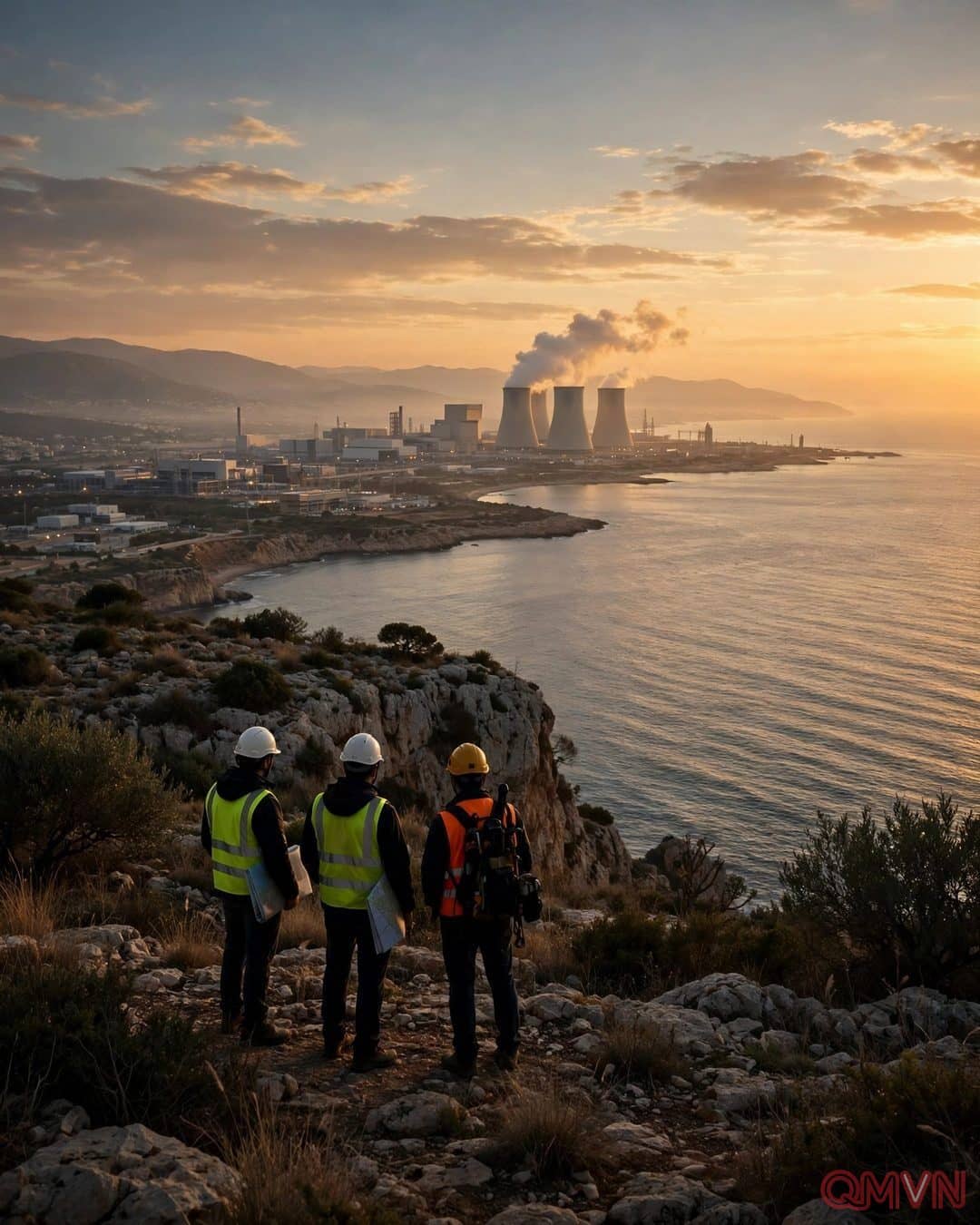
Turkey's first nuclear power station, Akkuyu, is being built by Russia's Rosatom in Mersin province on the Mediterranean coast. Its four planned reactors would provide around 4.8 gigawatts, but the project has experienced repeated delays.