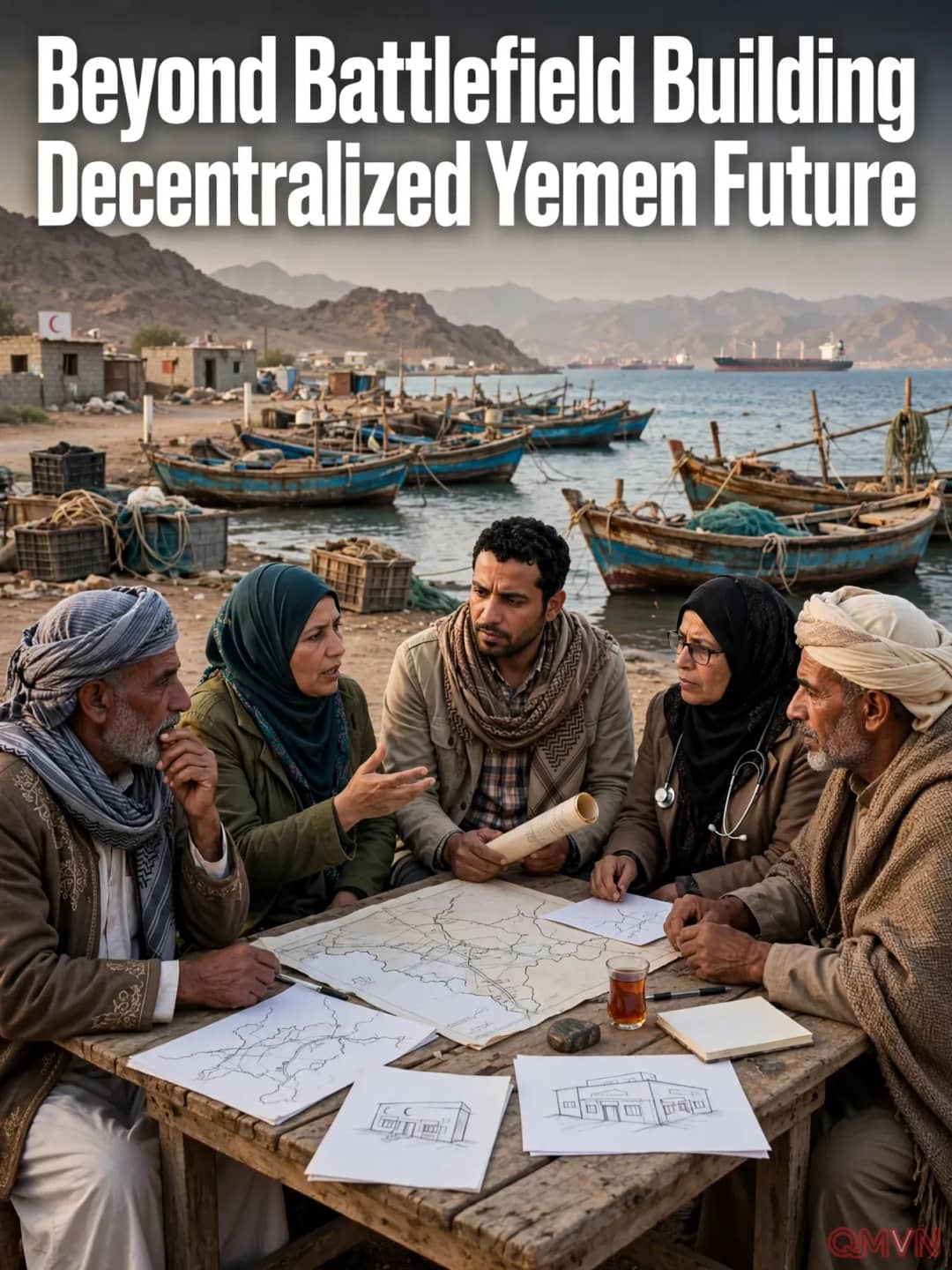
When military victory is not enough
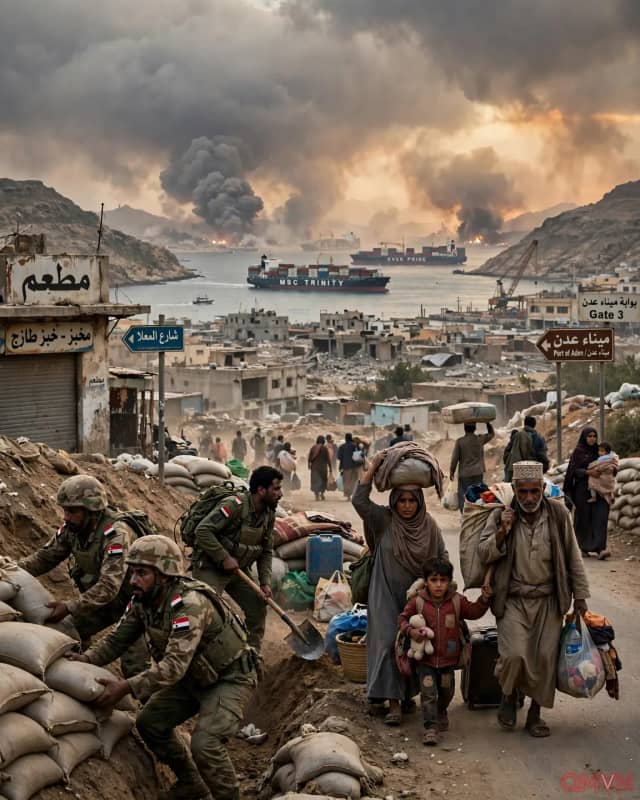
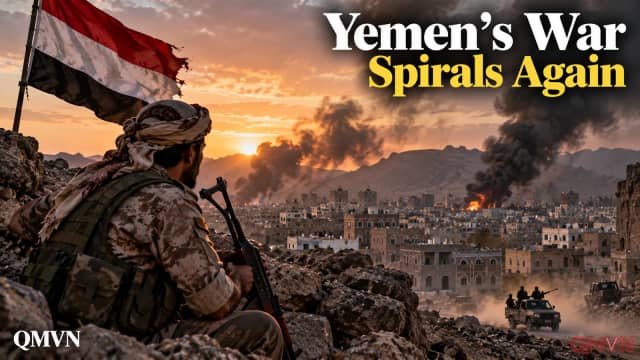
According to the opinion piece, years of war have weakened public institutions, damaged the economy and left millions dependent on aid. The problem is no longer simply who controls the state, but whether the state can meet its people's needs.
The author argues that a decentralised model within a unified state would not end the conflict on its own, but could help address some of the grievances that have made a lasting peace so elusive.
A bleak economic and humanitarian picture
The figures cited in the piece underline the urgency of the crisis:
- According to the World Bank, Yemen's real GDP contracted by 1.5 per cent in 2025 and is projected to fall a further 0.5 per cent in 2026.
- The UN estimated that more than 22 million people would need humanitarian assistance and protection in 2026, with 18.3 million facing acute food insecurity.
- The UN humanitarian response plan had received only about 28 per cent of the funding needed.
Blocked oil exports and strained government revenues make economic recovery even harder while institutions remain divided and basic services keep deteriorating.