The shock known as PHP2Shell
The two flaws, tracked as CVE-2026-109618 and CVE-2026-109619 and dubbed PHP2Shell, were rated 9.2 out of 10 for severity because they allow attackers to execute code remotely without authentication. Details leaked on October 20, ahead of coordinated disclosure, pushing the PHP security team to release patches on October 21 for versions 8.5.12, 8.4.27, 8.3.36 and 8.2.35, along with minimal backports for PHP 7.4 to 8.1.
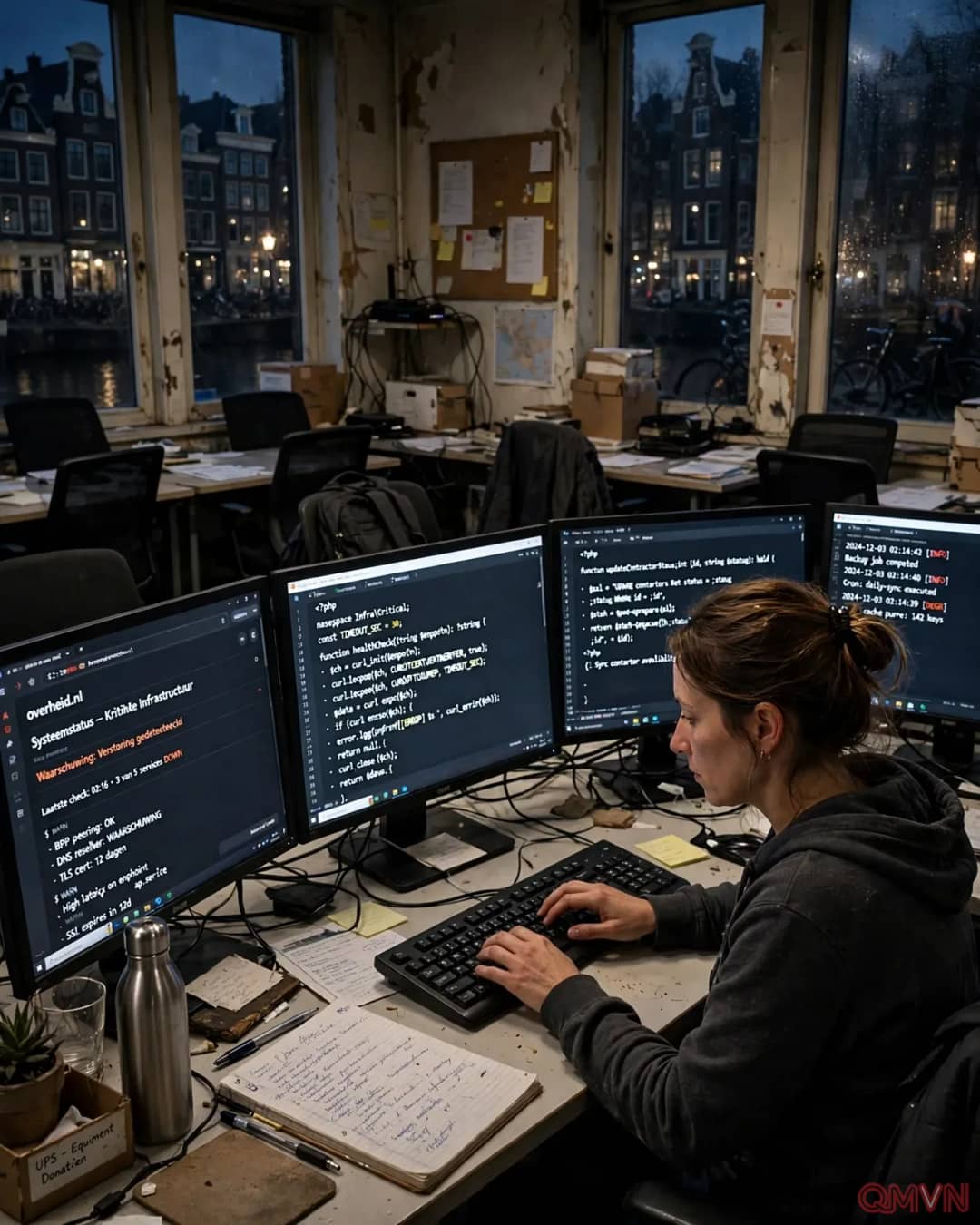
The fallout spread quickly. Government websites in several European countries went dark as operators rushed to patch, and other services took servers offline as a precaution. Dane Knecht, chief technology officer of Cloudflare, said the company spotted early attacks and deployed emergency firewall rules, later recording millions of exploit attempts. Cybersecurity firm Huntress summed up how widespread the language is:
PHP is everywhere.
Elizabeth Barron said the foundation had seen no evidence that hackers exploited the flaws before disclosure or on patched systems. The PHP Foundation is working closely with OpenAI and cybersecurity firms Wiz and Calif to investigate and respond. According to the PHP security team, the greatest risk lies with servers running Apache's mod_php, where an exploit can run even before application code.