MAIN CONTENT
Diplomatic restraint changes the price of fear
On Sunday, Trump said another U.S. attack on Iran was highly unlikely as long as efforts to end the conflict continued. His remarks contrasted with earlier warnings that strikes might resume after the U.S. midterm elections. The qualification matters: Washington did not announce a completed peace agreement, a binding ceasefire or secure passage for commercial vessels. It offered a change of tone in a crisis where words can rapidly move commodity prices.
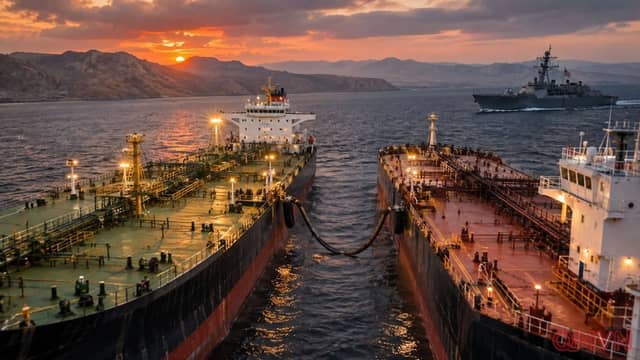
Oil contracts carry a geopolitical risk premium when traders fear that supplies could be blocked or destroyed. A less confrontational American message can reduce that premium even without an additional barrel entering the market. That helps explain why prices dropped despite reports of fresh shipping incidents in and around Hormuz. For investors, the paradox is a reminder that markets price expectations about tomorrow as well as disruptions occurring today.
Saxo Bank analyst Ole Hansen, speaking to Reuters, argued that hopes of a U.S.–Iran peace deal were exerting pressure before concrete diplomatic progress had emerged. KCM Trade analyst Tim Waterer likewise questioned whether the shift signalled a lasting policy change or another temporary adjustment in rhetoric. Their comments point to the same limitation: a price response is not proof that geopolitical danger has passed.