MAIN CONTENT
Why a handshake is not a settlement
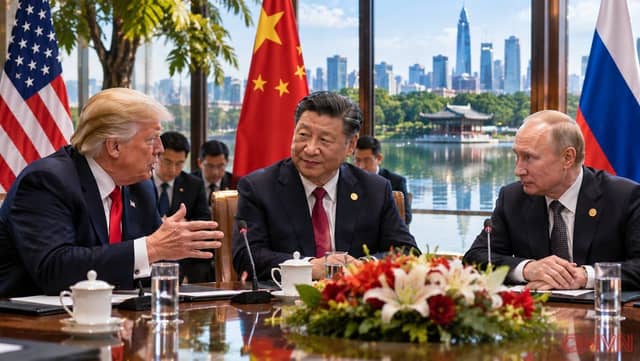
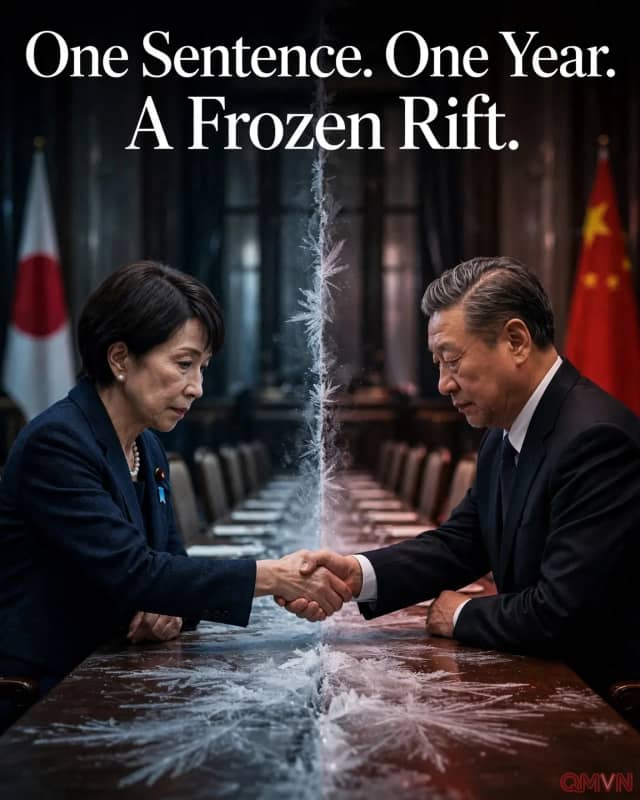
When Xi Jinping shook hands with Shinzo Abe at the 2014 Beijing APEC meeting, the image suggested two governments were beginning to emerge from a prolonged diplomatic freeze. Yet the photograph was the endpoint of months of preparation. Officials had reached a four-point understanding that offered carefully negotiated language for managing differences in the East China Sea and resuming high-level dialogue. Japan described the leaders’ meeting as a first step, not as proof that territorial disputes had disappeared.
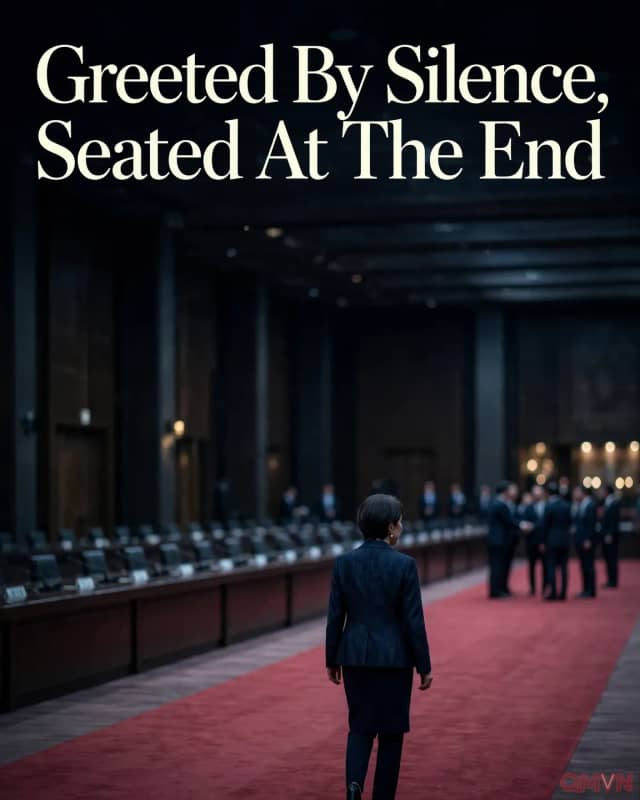
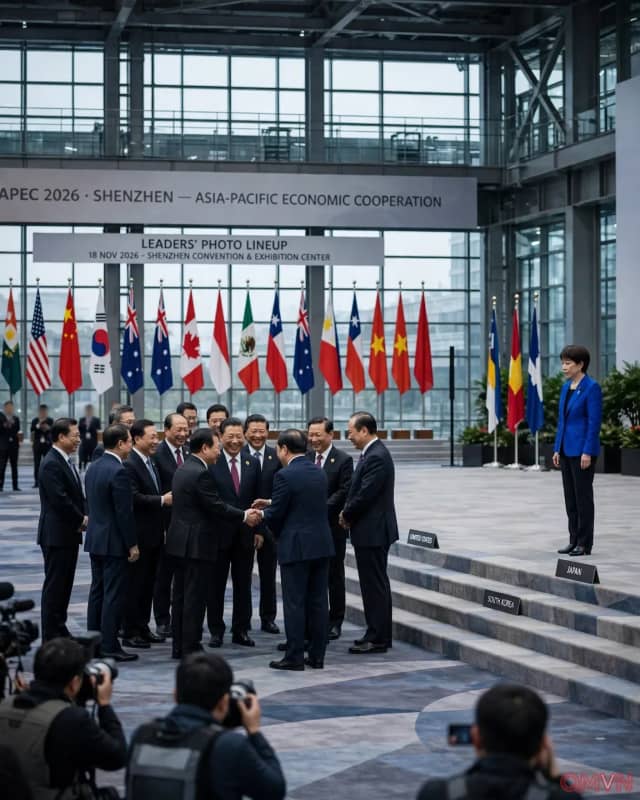
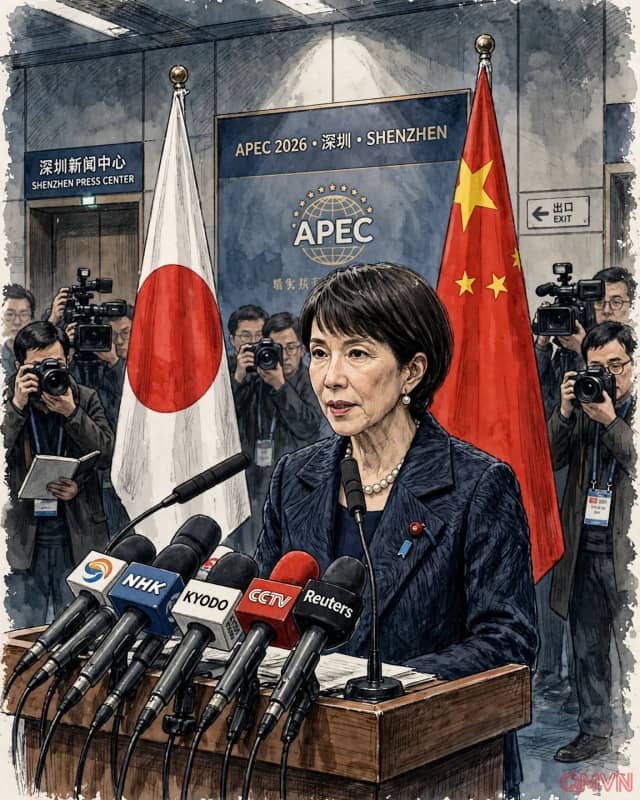
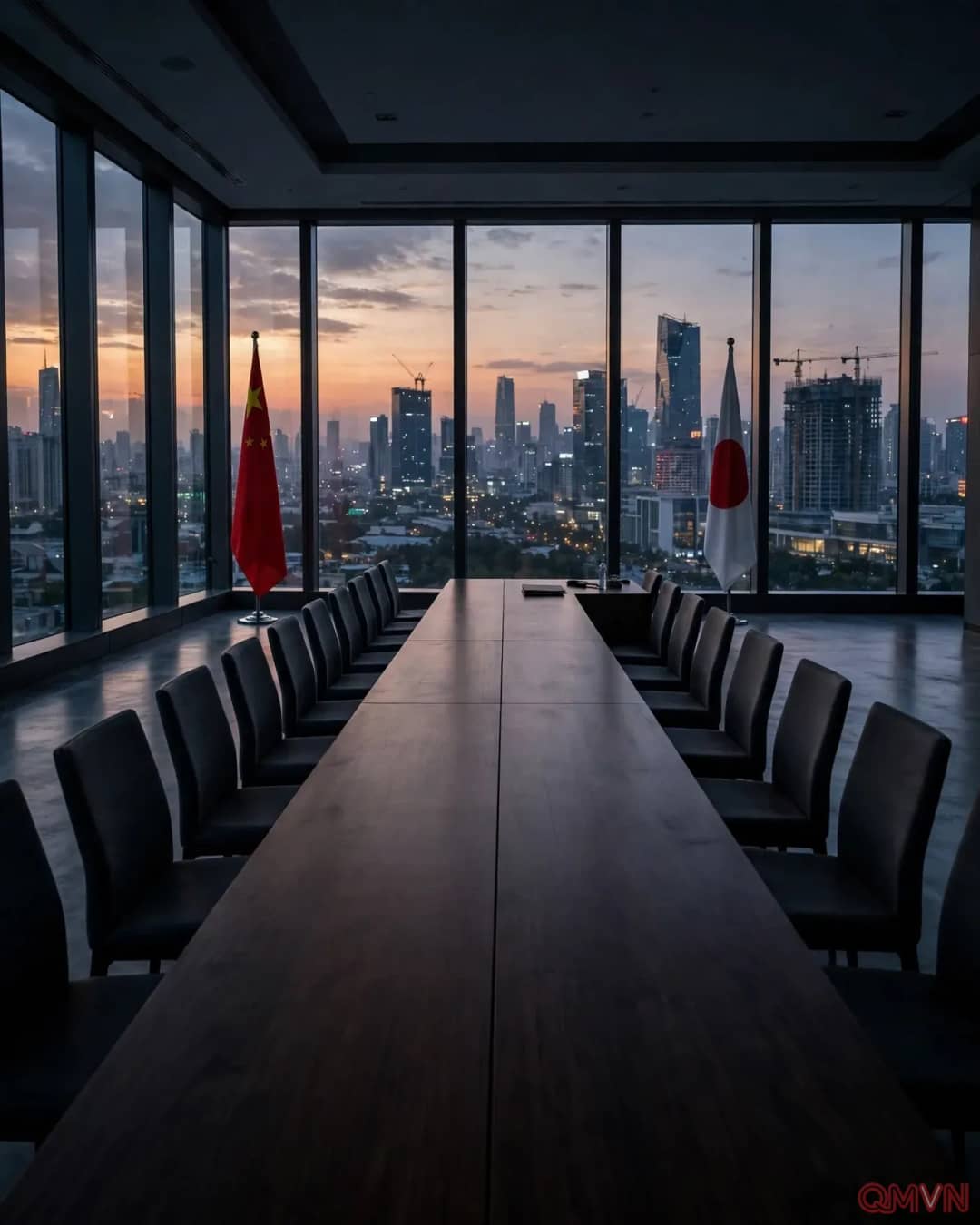
Twelve years later, Shenzhen provides another multilateral venue but lacks comparable groundwork. Sources cited by the South China Morning Post on November 16 suggested that Xi and Takaichi might exchange greetings while being unlikely to hold a bilateral summit. Bloomberg reported that Tokyo had sought assurances that its prime minister would receive customary protocol treatment. A handshake, or its absence, would carry symbolic weight, but ceremonial optics should not be confused with a substantive shift in policy.
Taiwan changes the strategic equation
A central obstacle is Takaichi’s November 2025 remarks on Japan’s possible response to a Taiwan emergency. Beijing considers Taiwan a core national interest and opposes foreign military intervention.