The Security Paradox and Lower Carbon Emissions
In its comprehensive Energy Transition Outlook released in London, international energy consultancy Wood Mackenzie evaluated five granular global warming scenarios spanning 1.5 degrees Celsius to 3.0 degrees Celsius. The central base case projected a 2.6 C average global temperature rise above pre-industrial levels by the close of the century.
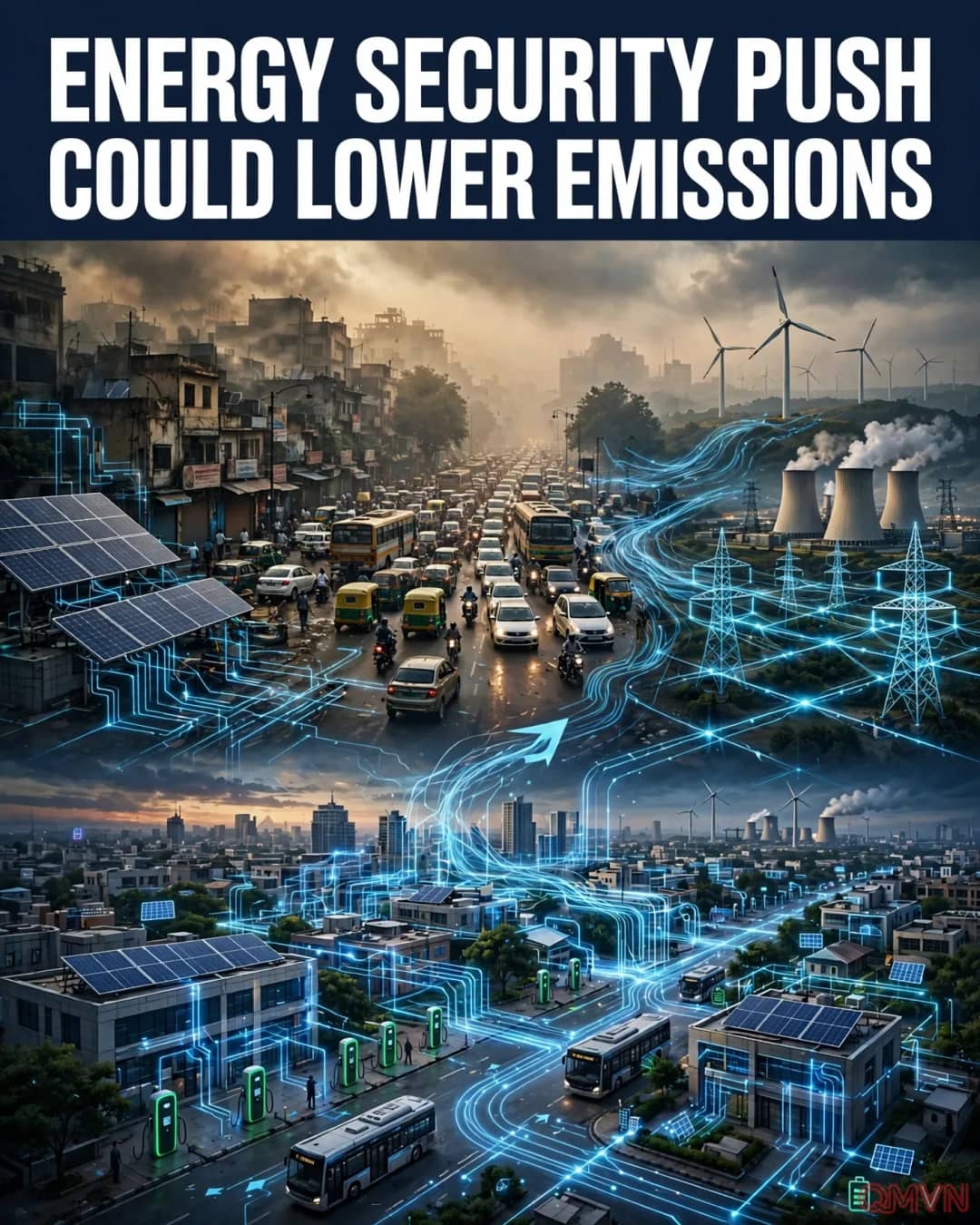
However, the most striking analytical breakthrough of the report demonstrated that an aggressive security-first energy posture—instigated entirely by pragmatic geopolitical necessity rather than altruistic environmental virtue—is capable of delivering lower aggregate emissions than the central base case, potentially restricting planetary warming to 2.5 C by 2100.
"One of the most striking findings was that a security-first energy strategy, pursued not out of climate intent but out of necessity, can deliver lower emissions than the central base case." Prakash Sharma
Geopolitical Oil Shocks and the Capital Deployment Horizon
The primary catalyst precipitating this structural transformation is the expanding kinetic conflict in the Middle East, which has severely throttled international maritime flows of crude oil and liquefied natural gas (LNG), elevating oil prices firmly above $100 per barrel. Confronting severe import vulnerabilities, major industrial powers are aggressively funding domestic solar arrays, wind capacity, utility-scale batteries, and nuclear power restorations to minimize supply chain exposure.